Katima Mulilo to Rundu – Sunday September 2nd

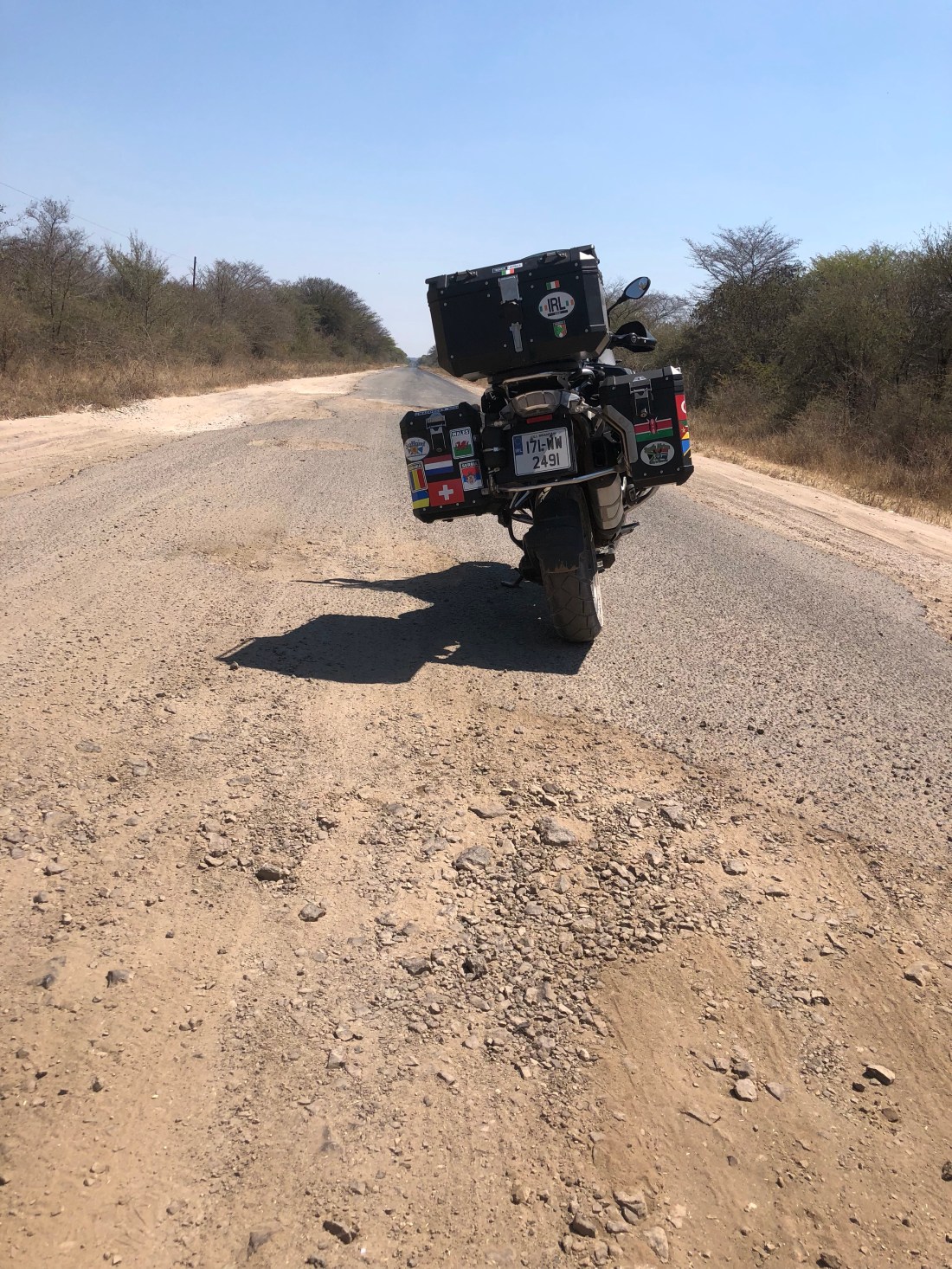
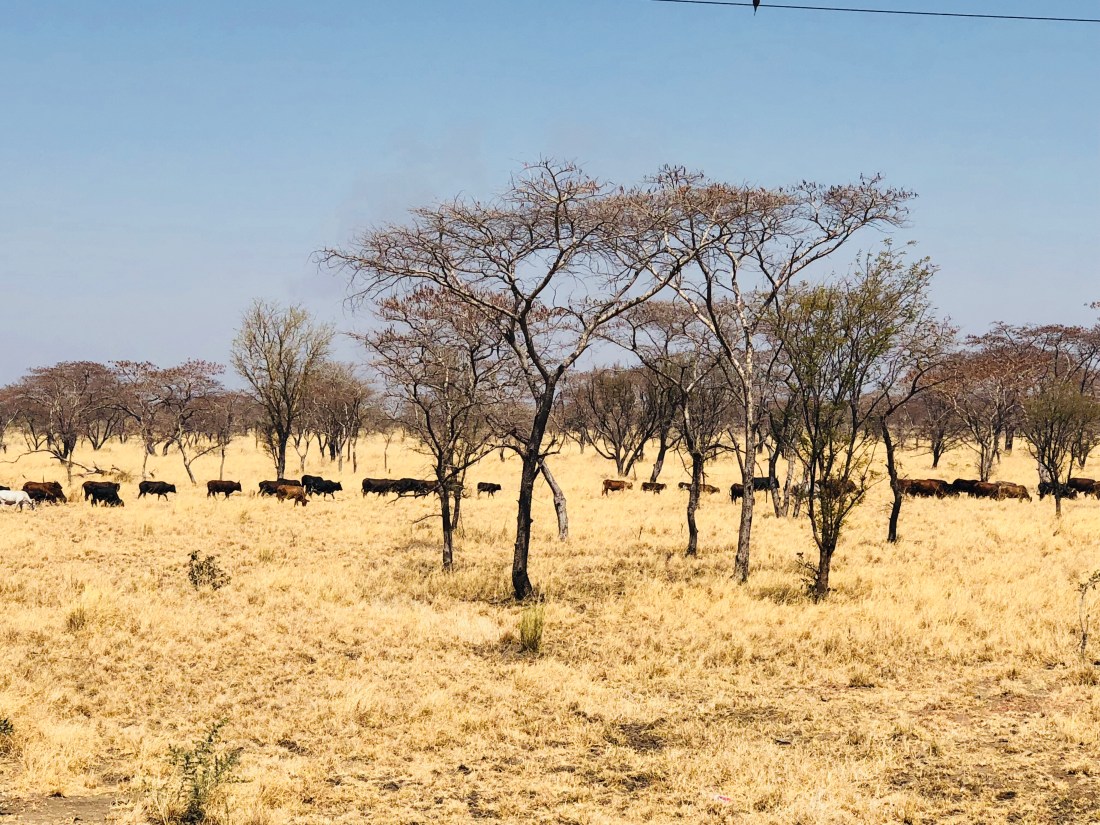
It was a lovely morning as I bade goodbye to the Zambezi and started out on the long straight road west through what is known as the Caprivi Strip. I had always heard it referred to as the Namibia ‘pot handle’ which works well when you look at a map of the country.

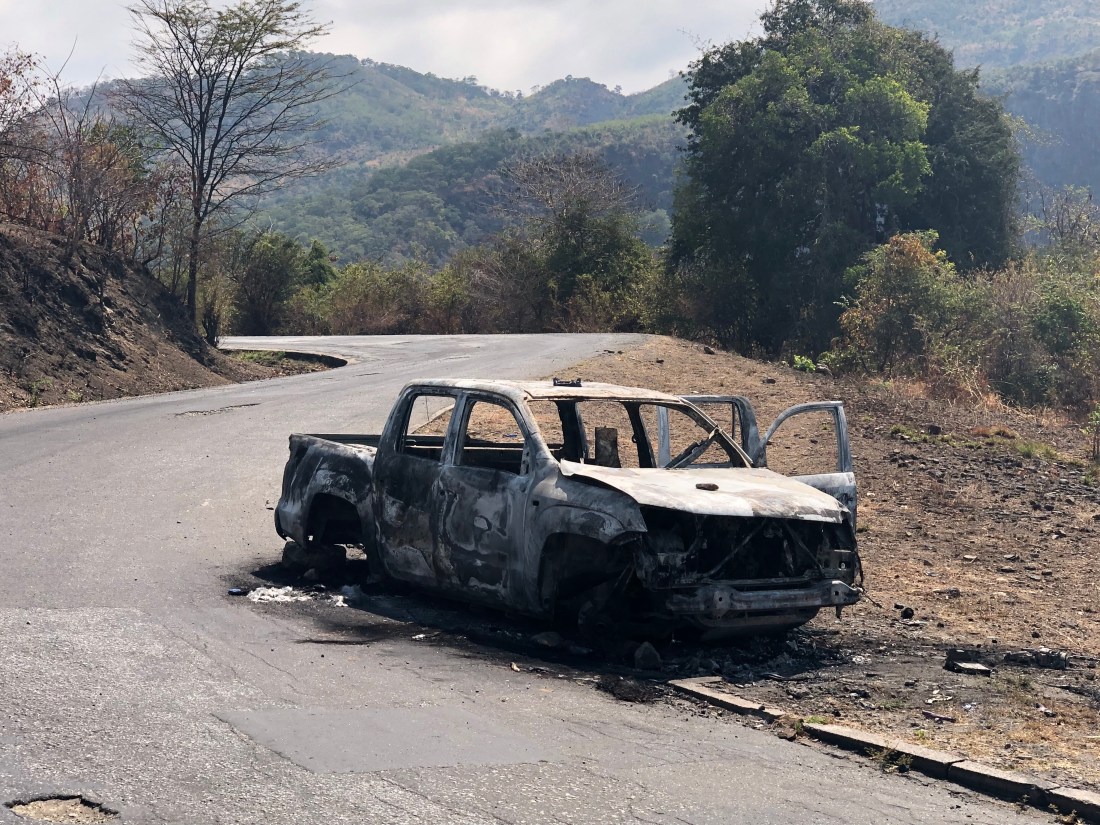
Though what is little known outside of this region is that this land is being claimed by a small insurgency group who maintain that it should be independent of the rest of the country. There have been tourist kidnappings, police clamp downs and several arrests and jailings over the past few months.
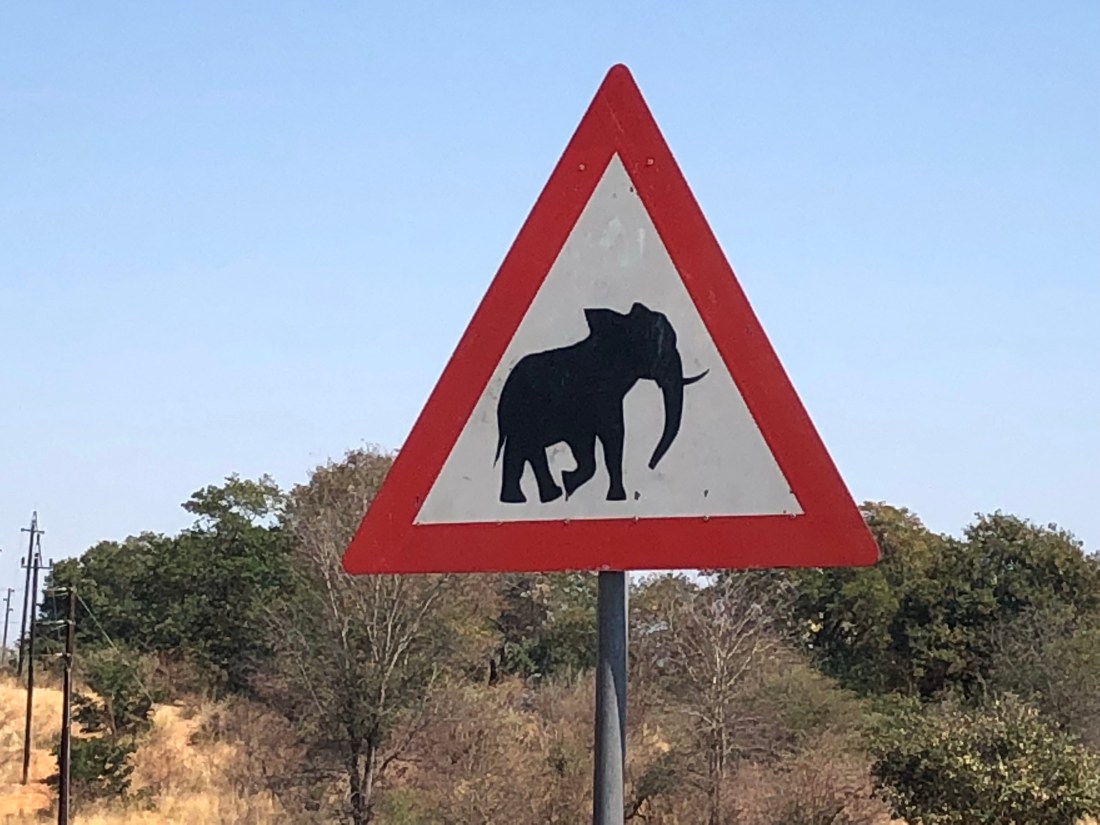
I was told however that I would be perfectly safe and should be more concerned about elephants and lions which populate about three hundred of the five hundred kilometres which I had to ride through. If it’s not one thing, it’s another.

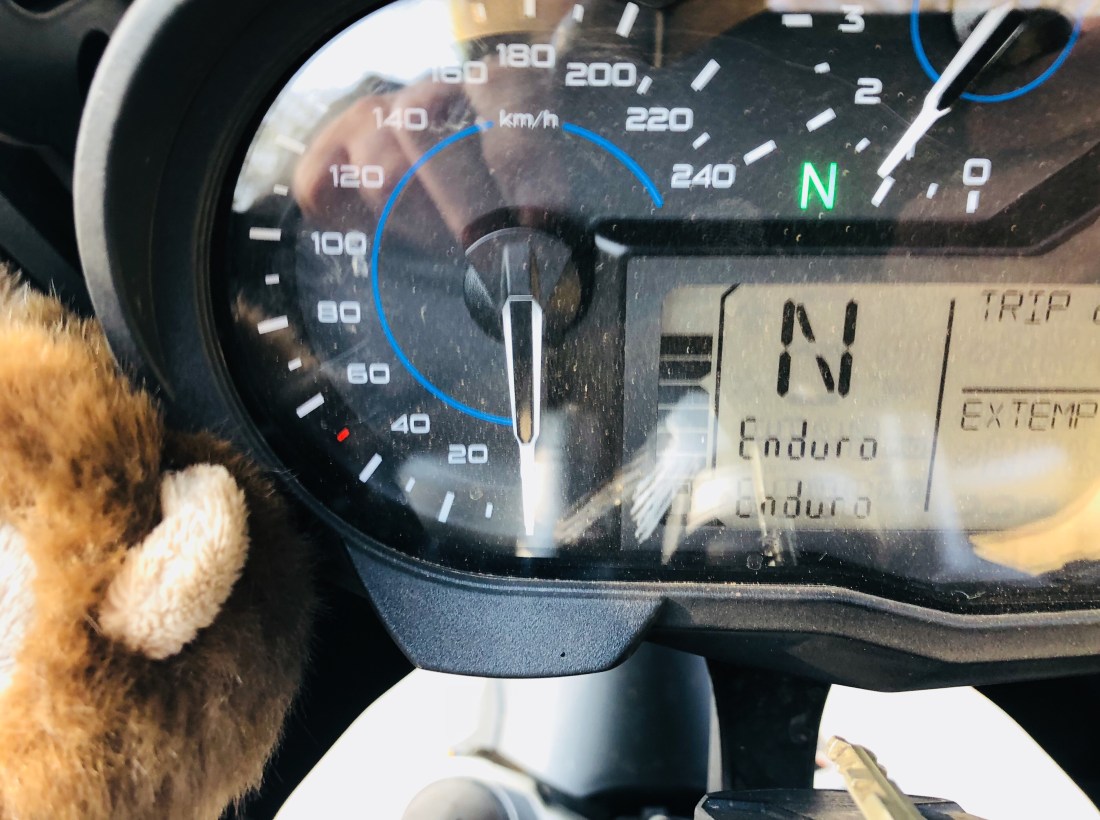
What actually concerned me more was when about fifty kilometres after leaving Katima Mulilo one of the warning lights started to flash on the dashboard. It was a low pressure warning for the front tyre. Tyres are the one thing that always niggle at me subconsciously because they take the most abuse on a trip like this. I carry a mini electric pump and a repair kit but it’s somewhere that I just don’t want to go.

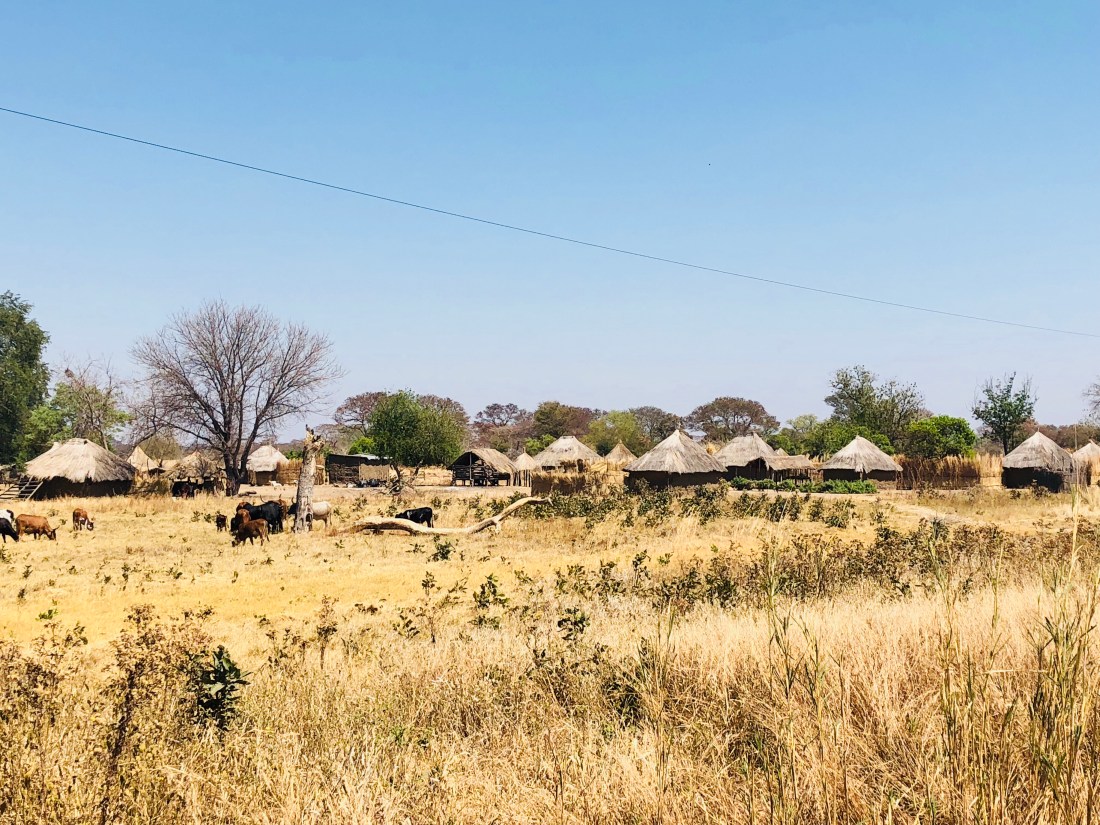
I had previously noticed that the rear tyre had already started to square but the warning on the dash right now was for the front one. I thought about returning to Katima Mulilo to have them both checked but decided to press on until I would reach a small hamlet just before the wild animal stretch. My sat nav was telling me that I could get petrol there and I just kept my fingers crossed that they would also have some form of tyre maintenance facility. It was, after all, the last ‘garage’ for three hundred hours kilometres.

They did thankfully have an air pump but that was it. And the entire area, including around the lone petrol pump, was all soft sand. Even moving from the petrol pump to the air pump was a struggle. Of course I had gathered an audience who would have got great entertainment if Simba dropped in the sand.
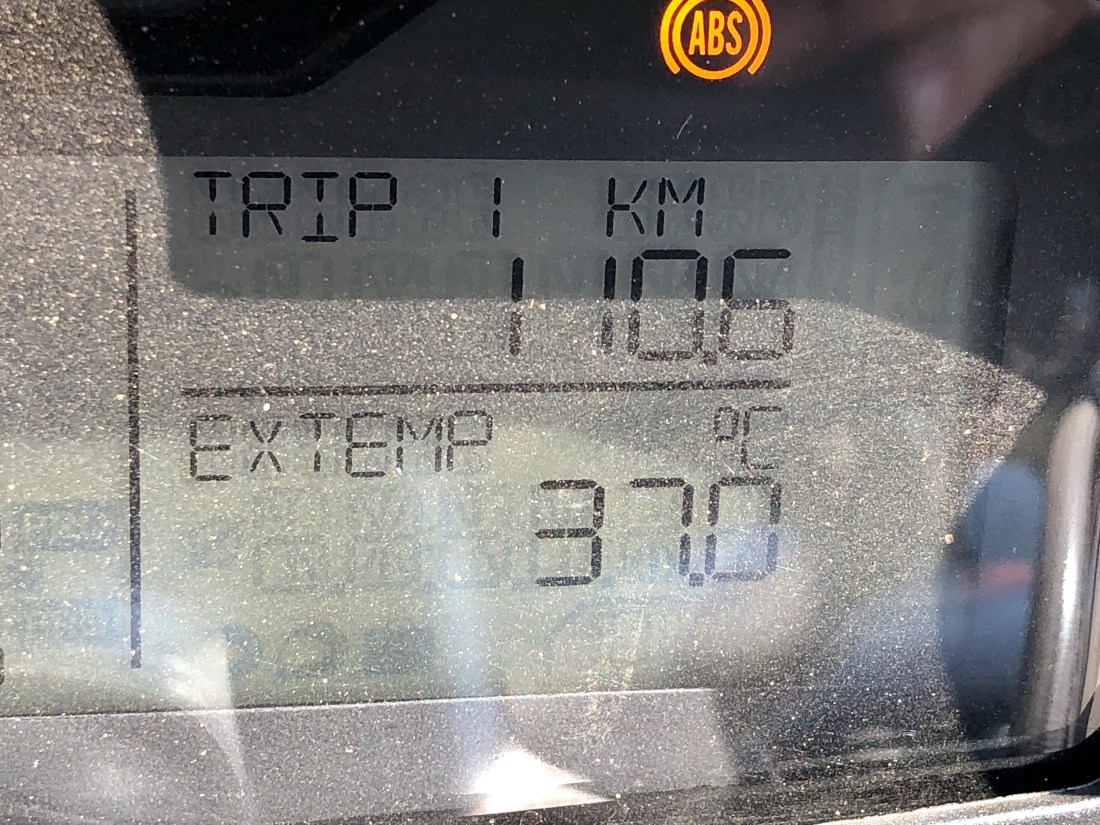
All of this was further exacerbated by the fact that, even though it was still early morning, the temperature was already 37 degrees. I gave the guy Nab$50 to help me and between us we agreed that there was no puncture and I topped up the air while he struggled to hold the bike upright.

Moving on from there into the three hundred kilometre wilderness I kept a very close eye on the gauge. Thankfully that was all that there was to it.
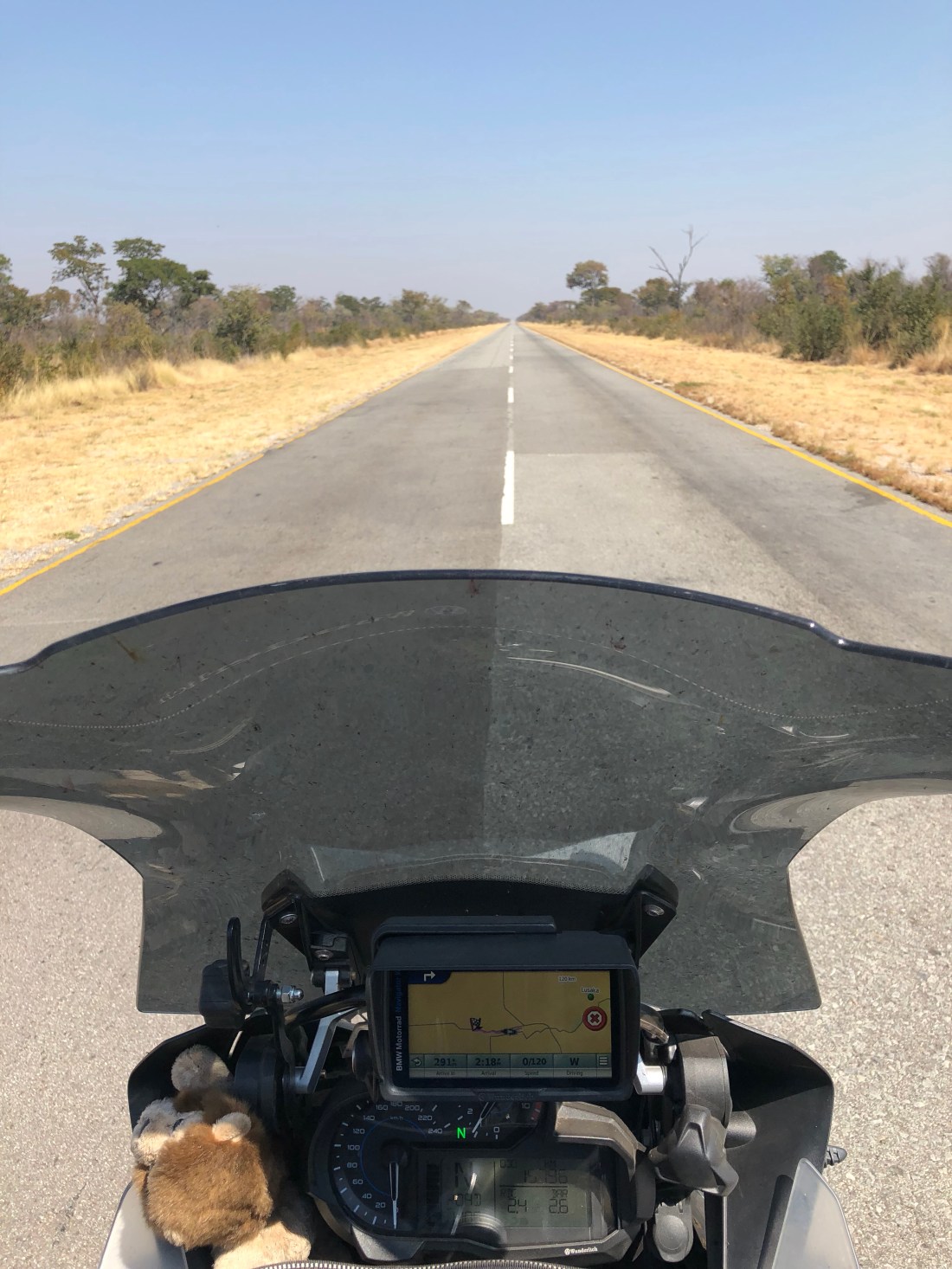
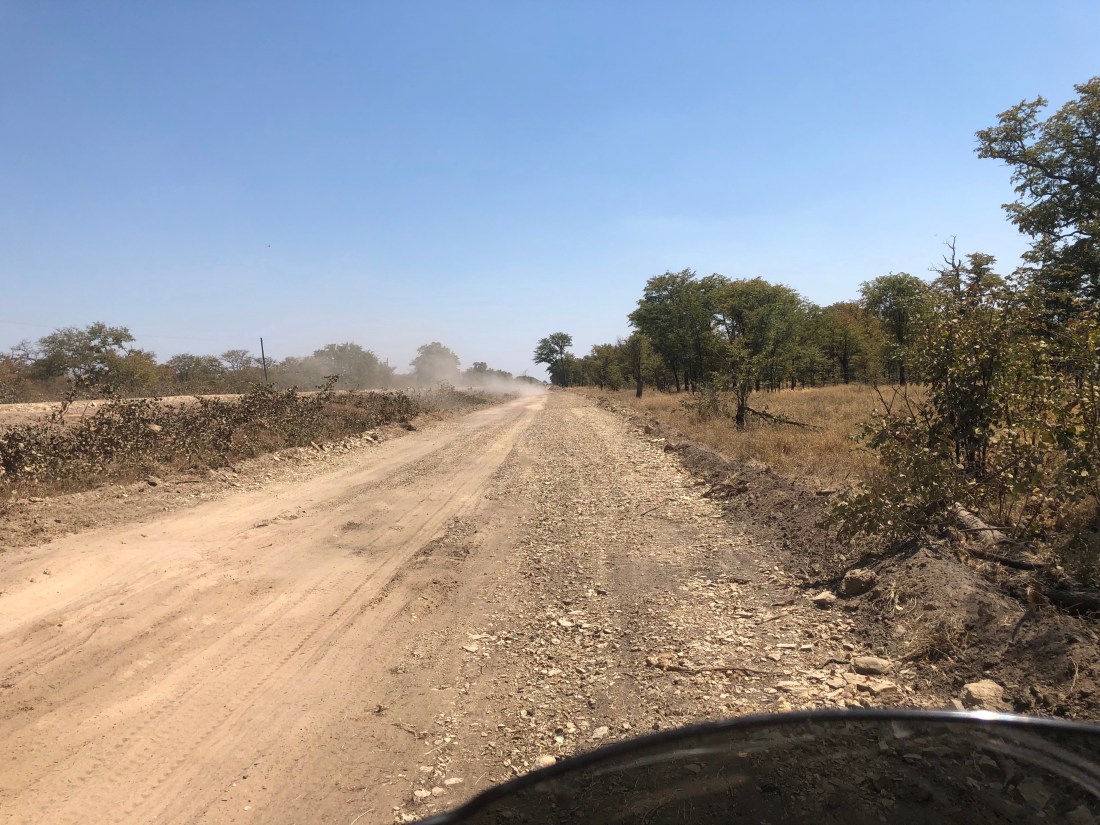
The road was just long and straight the whole way and there was not a person to seen. Even the traffic was negligible.

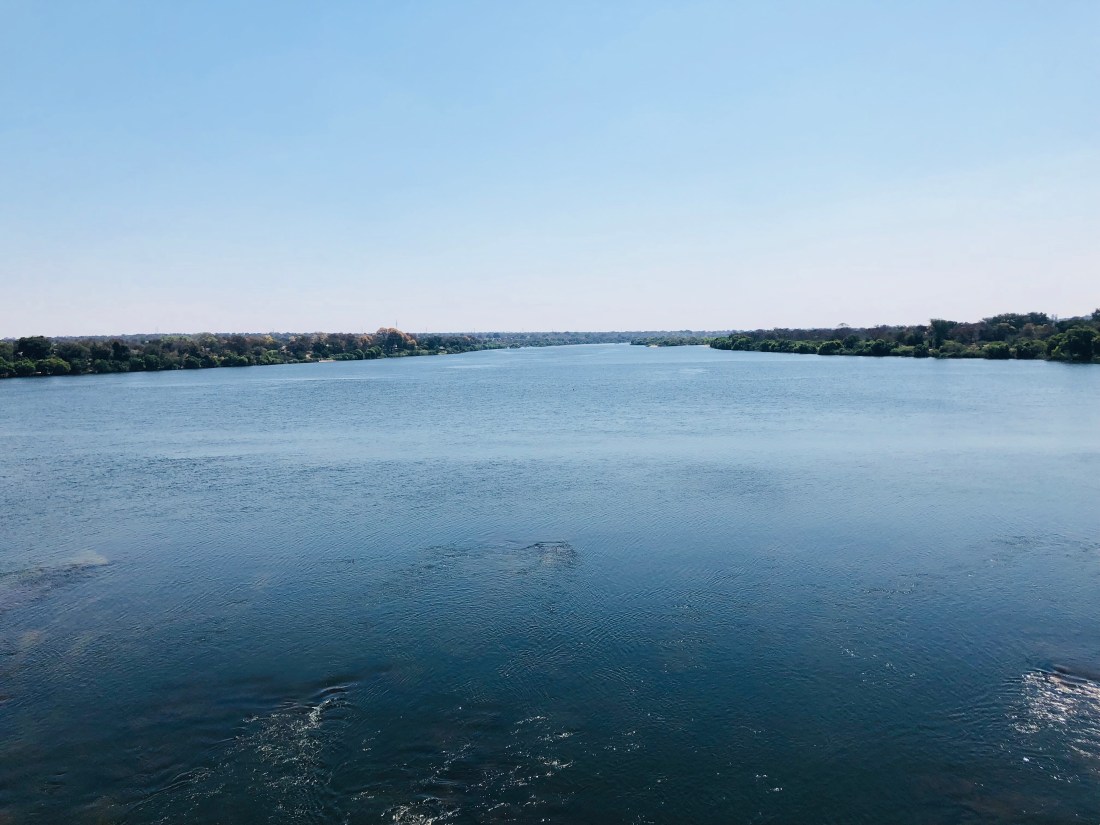
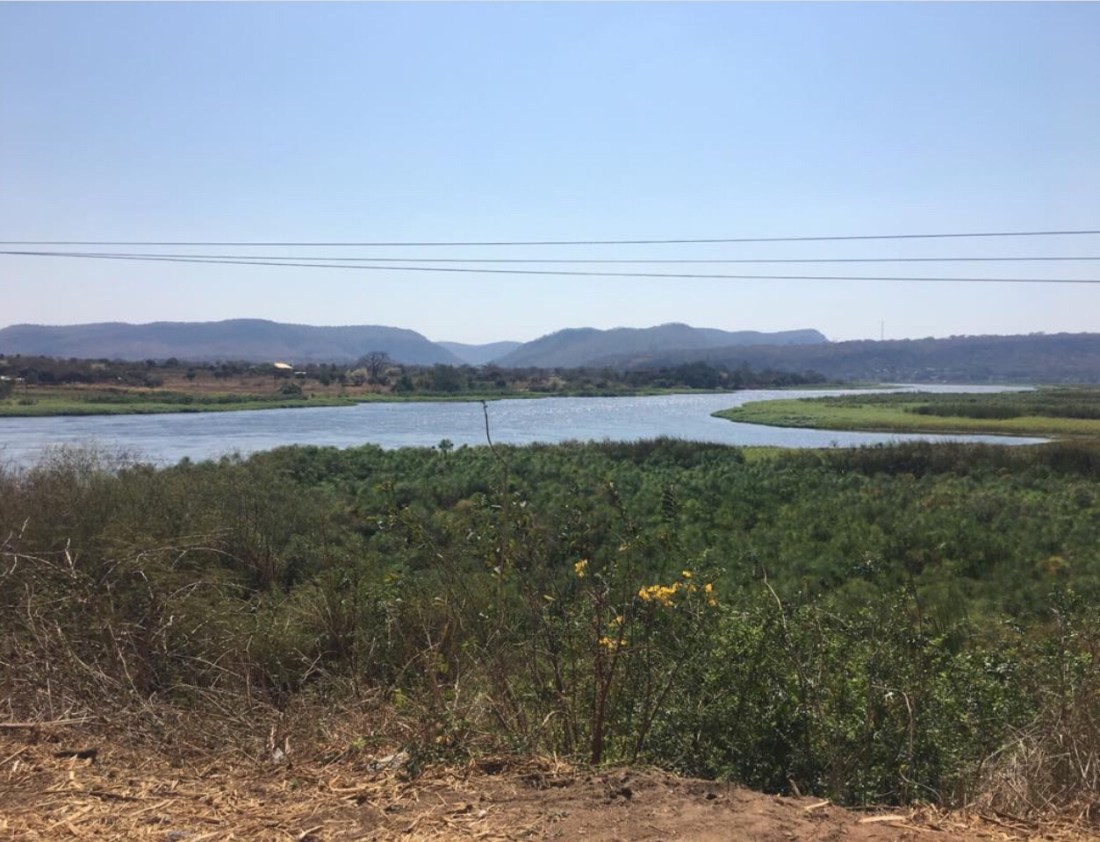
Passing through game reserves in the past has never bothered me but, because of the distance and hours that it took to get through, this one was was different. So I was glad to see the Okavango River in the distance which marked the exit out of the park area.
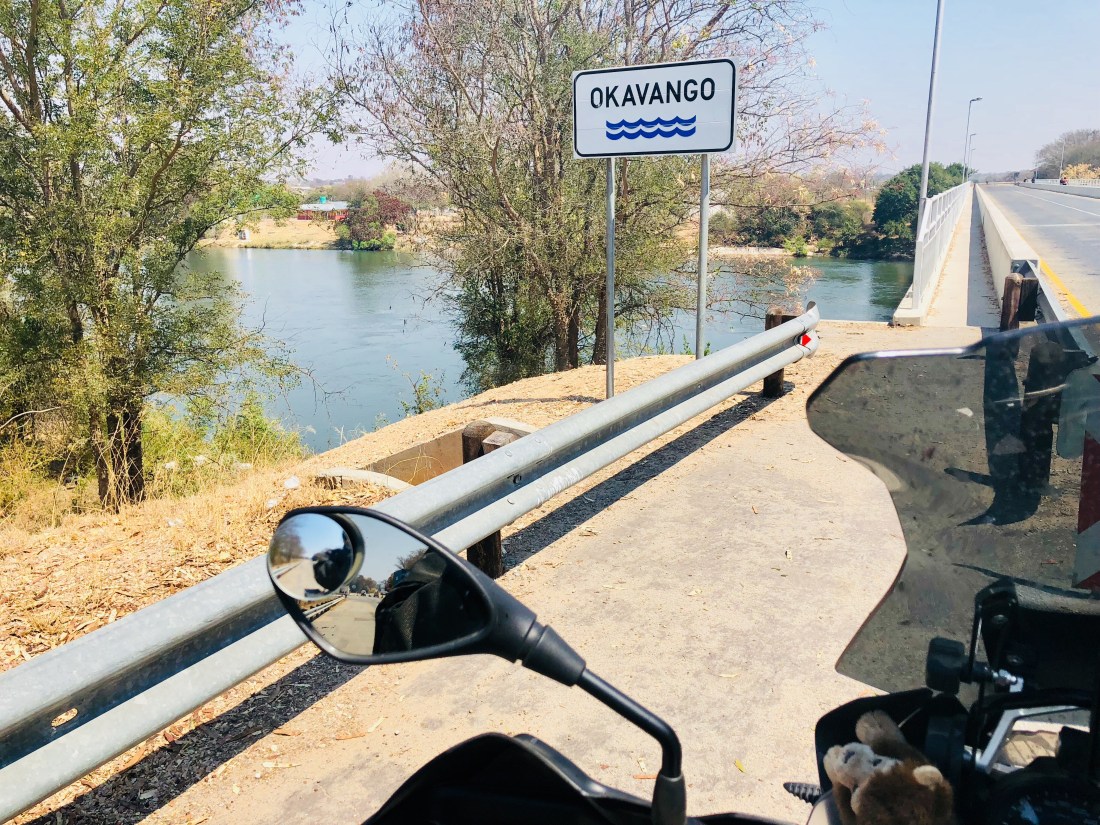
Once I crossed that bridge it was only about another hundred kilometres to Rundu.

But about fifty kilometres on I had another run in with the law. This time it was for failure to stop at a road block. The joke about this particular incident was that I did stop at the roadblock, otherwise we wouldn’t have been having any conversation.

The young policeman who stopped me took my license and told me that I had to report to the senior officer who was enjoying the shade of a nearby tree. They didn’t even have a car. I approached her and spoke with usual deference as I tried to impress upon her that I had stopped, as was evidenced by me actually standing there.

She was a sparky young woman in her early twenties and was determined to do me for something. She had already produced a book outlining various road traffic offenses and pointed to the more serious Nab$1,0000 fine for not immediately stopping at the direction of a police officer. The conversation bordered on farcical but once again I had little choice.

I handed her the money which she instantly went to place into her pocket. I immediately demanded that I was entitled to both a charge sheet and a receipt, as was also written in her book. Straight away she changed her tune. She looked closely at my driving license and then asked me what age I was. I told her that I had crossed a new decade recently and she suddenly flipped.

She demanded to know why I was riding a motorcycle at my my age and said that she was very unhappy that I did not drive a car. She further demanded to know what my wives and children thought about my senile behaviour. You have no idea how difficult it was for me to keep a straight face at that moment. I told her that my wives understood why I did this and that is how it is in our culture. My children were reared not to question the authority of a parent.

She agreed that this respect from my wives and children is how it should be but that she, as a police officer, was very angry with me for not driving a car. She then handed me back my money and driving license and instructed me to go and purchase a car.

Only in Africa…….

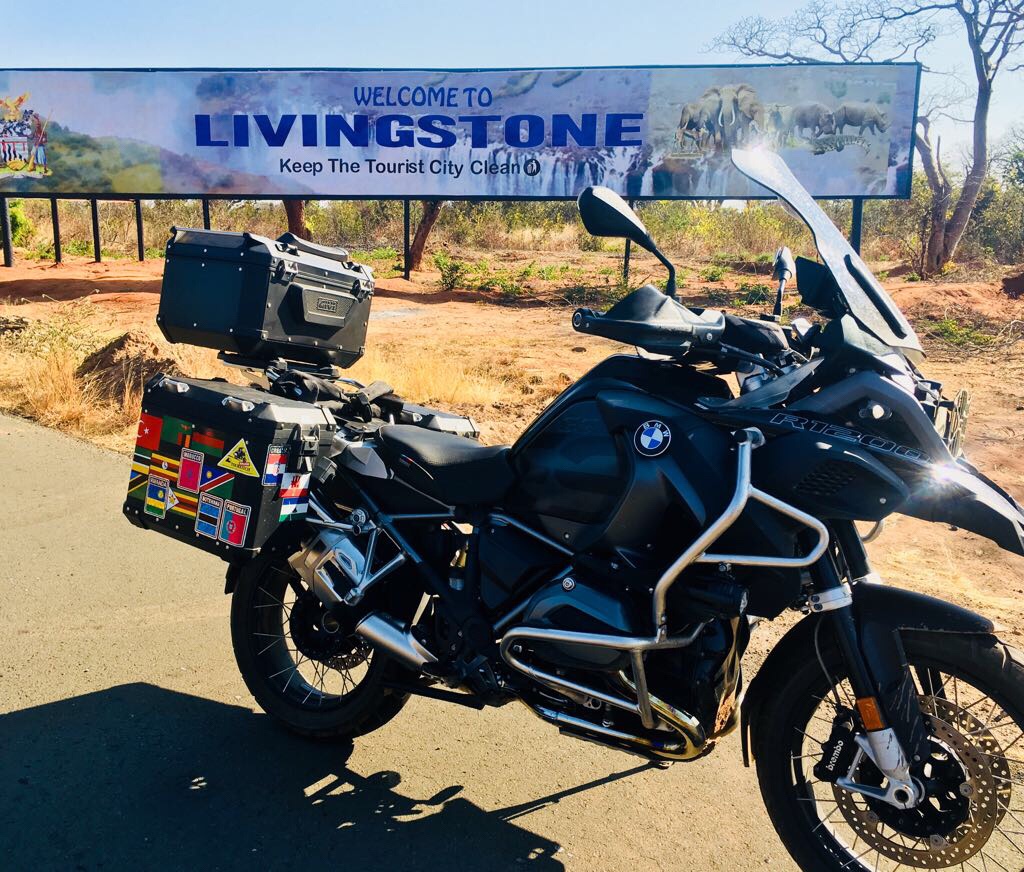
Livingstone to Katima Mulilo – Saturday, September 1st

I had been well forewarned that this was going to be a rough ride and, even though the distance was a short enough two hundred and thirty kilometres, it lived up to it’s reputation.

Leaving Livingstone I just said to my self that it was probably, or at least hopefully, going to be the last of the really rough roads. The end of today would take me into Namibia which has a reputation for being a bit more sophisticated in that department.

The first forty five minutes or so until the turn off for the Kazungula ferry into Botswana was fine. But soon afterwards potholes started to appear until they became so regular that it felt like I was riding through a giant pinball machine.

These would go on for ages until the road just disappeared into total dirt.

I don’t want to bore you with technical detail but it’s worth mentioning that this bike has various riding modes which are easy to switch between. The normal mode is obviously ROAD but whenever I hit rough or particularly soft sandy surface I switch over to ENDURO mode. This enhances the machine for off-road riding by allowing for some slip at the rear wheel thereby allowing the bike to drift slightly. The ABS tuning also adjusts although insofar as possible I try not to touch the brakes in these conditions. My preference is to let the throttle and gentle gear dropping control the pace. So anyway you get a lot more traction riding in this mode and thank you Mr. BMW for that one. I suspect that it has saved my bacon on several occasions.

It took about three hours to do one hundred kilometres before the road improved and I was at last able to enjoy the scenery.

I guess that being so close to the Zambezi makes this land more fertile than in other areas, in relative terms that is.

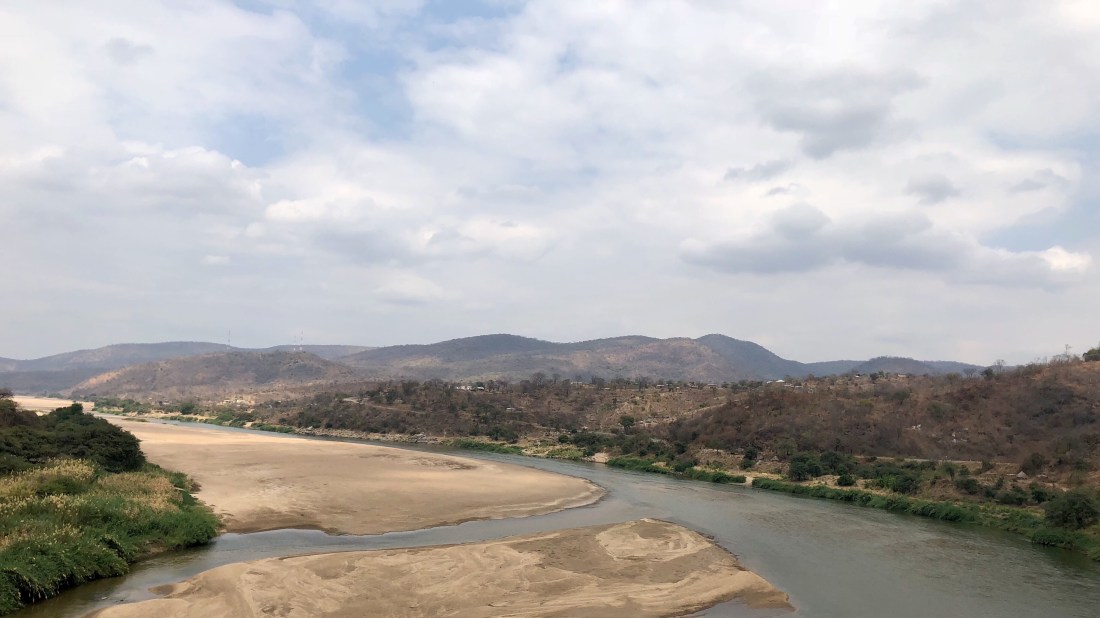
Soon I would be crossing this magnificent river by traversing a bridge that was built about fifteen years ago and which sweeps you up to the Namibian border post on the southern side.

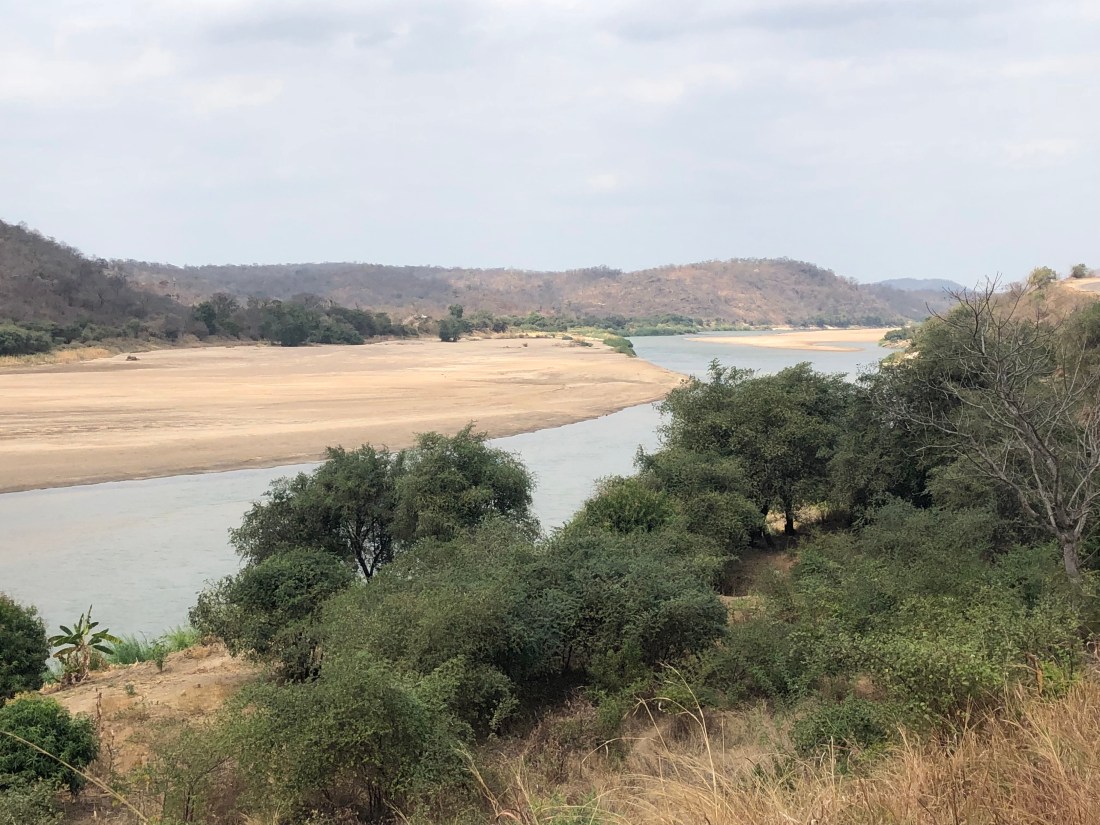
Looking west up the river made me wonder exactly how further back is the source. It flows east from this point the whole way to the Indian Ocean.

So on to the last but one border crossing of this journey and once again it had all the hurly burly goings on that every other one had. I did get chatting with an interesting truck driver who was driving a load of copper from northern Zambia to the Namibian port of Walvis Bay. He was a pleasant chap and I sensed that he had been stuck at the border for some time and was happy to talk with anyone.

As I was leaving I did get called back by an irate army woman for not signing out of the controlled area. When she saw the photo of Kaylee on the tank she chastised me for only having one grandchild because she had ten. I congratulated her, signed her book and rode on into Katima Mulilo which was only a few minutes up the road.

After getting some Namibian dollars at the atm I checked in to the lodge where I was staying for the night and was mindful that I had a five hundred kilometre run the next day.

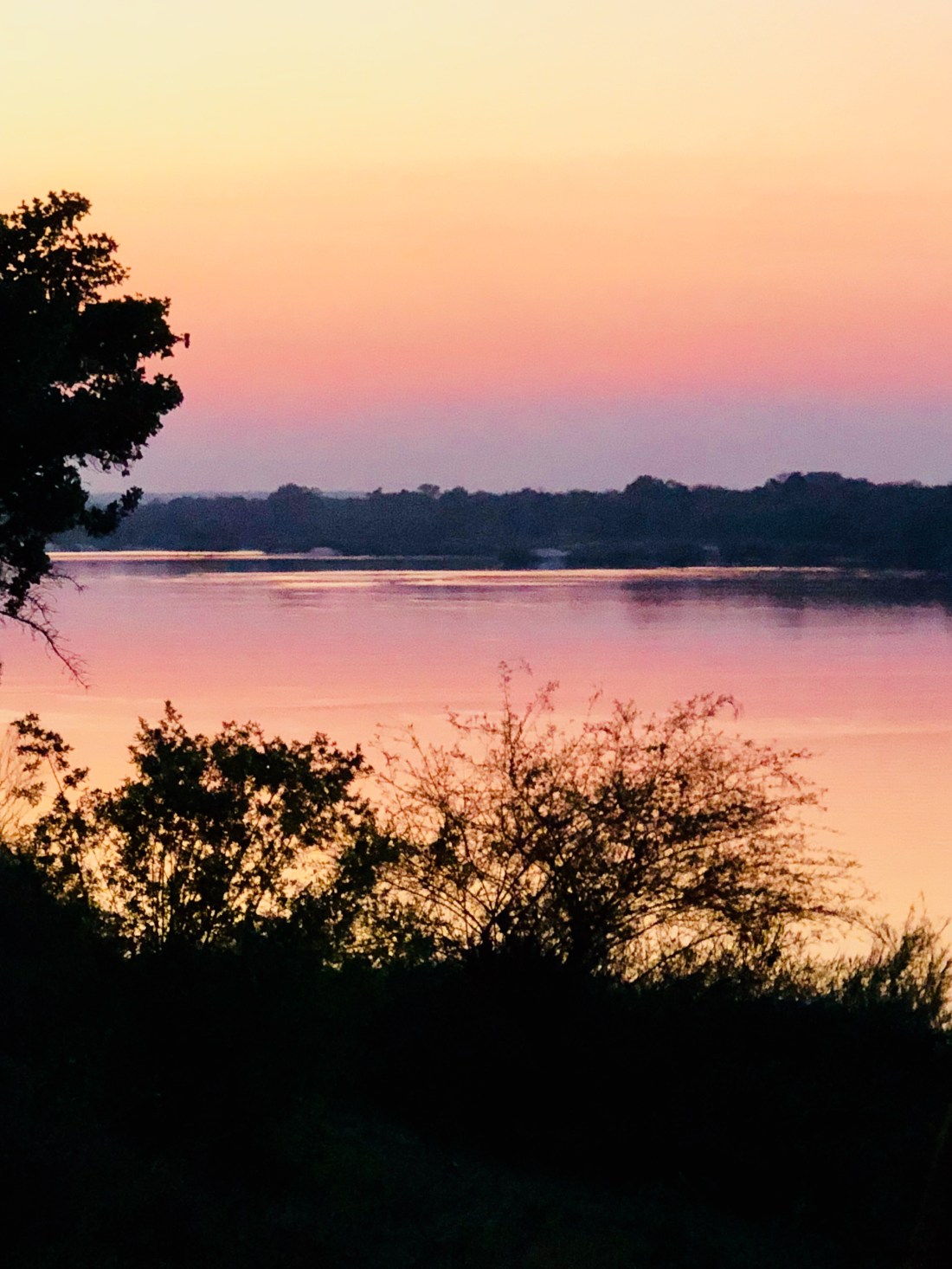
The evening finished off with this magnificent sunset over the Zambezi, and it is a memory that will stay etched on my mind long into the future…..

Livingstone – Friday August 31st.

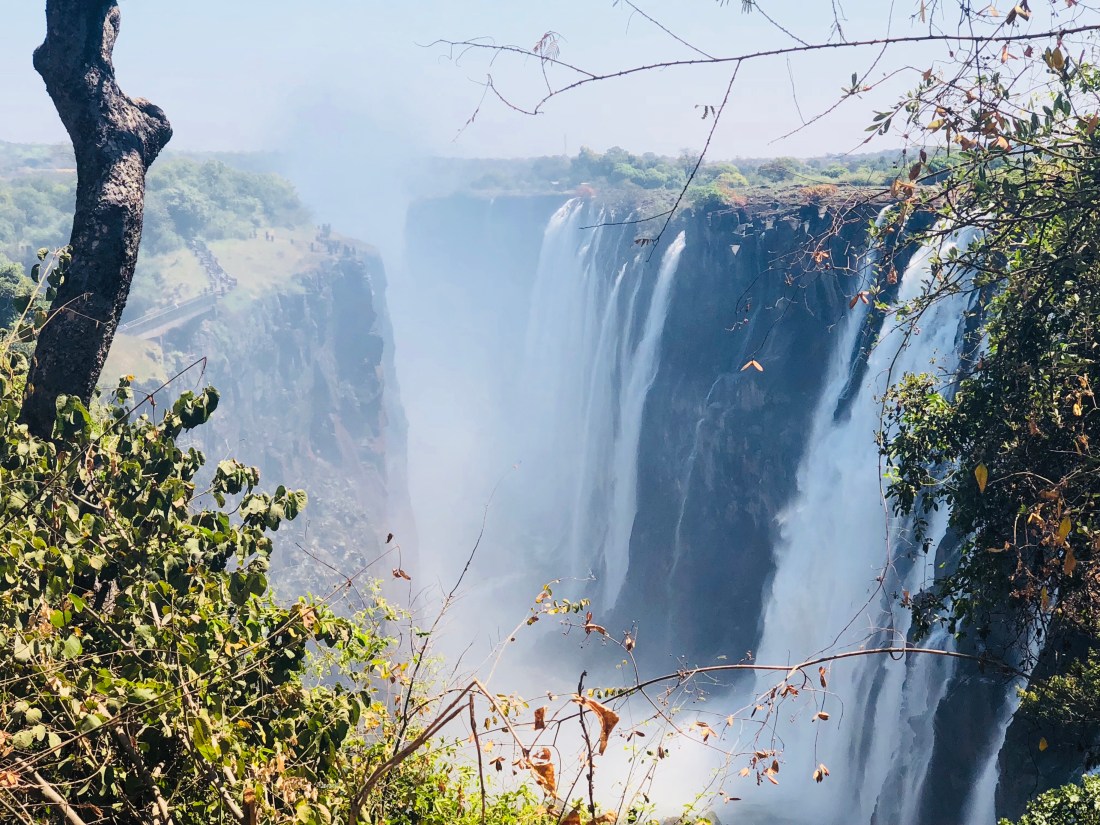
“The smoke that thunders” is how Victoria Falls is known locally.

Today was a rest day so there was no pressure to rush anywhere. The only item on the agenda was to trip down the eight or nine kilometres from Livingstone to Victoria Falls.

But first it was time to get laundry sorted out properly and tidy up my pannier bags and top box. These details might seem a bit inane but tidy storage units make for easier traveling. A bottle of coke had burst in the top box a couple of weeks back and it was starting to stink. I even discovered the remnants of a squashed packet of biscuits lurking in there.

On a practical note, proper laundry only happens when at a stopover, but otherwise happens on a makeshift basis daily when I arrive at a destination, shower and wash my bits before hanging them out to dry somewhere. Another bit of inane detail about long overland journeys by motorbike.

Simba (and Kaylee, on the handlebar bag) got a first view of the Zambezi River just before arriving at Victoria Falls. I know that it is a bit touristy but there is something quite magical about this place. Even the word ‘Zambezi’ evokes childhood thoughts about a distant and undiscovered land.

Victoria Falls creates a natural border between Zambia and Zimbabwe so there will alway be lines of lorries and the usual African border mayhem. Once I got Simba locked up and shushed away a few baboons, I paid the entrance fee and made the short trek down to the waterfall.

Although it is my second visit here, I would defy anyone to proclaim that it doesn’t take your breath away. As ‘natural wonders of the world’ go, it’s way up there.

It was coming towards the end of a dry season so the ‘smoke’ wasn’t doing as much ‘thundering’ but it was nonetheless spectacular.

I spent the afternoon roaming around the area and reflected on the whole Stanley/Livingstone meeting in an altogether forgotten era. How awesome that meeting must have been on so many fronts.

You need to give yourself a few hours to take it all in, so by late afternoon, and fully sated by the place once again, I headed back up to Livingstone.

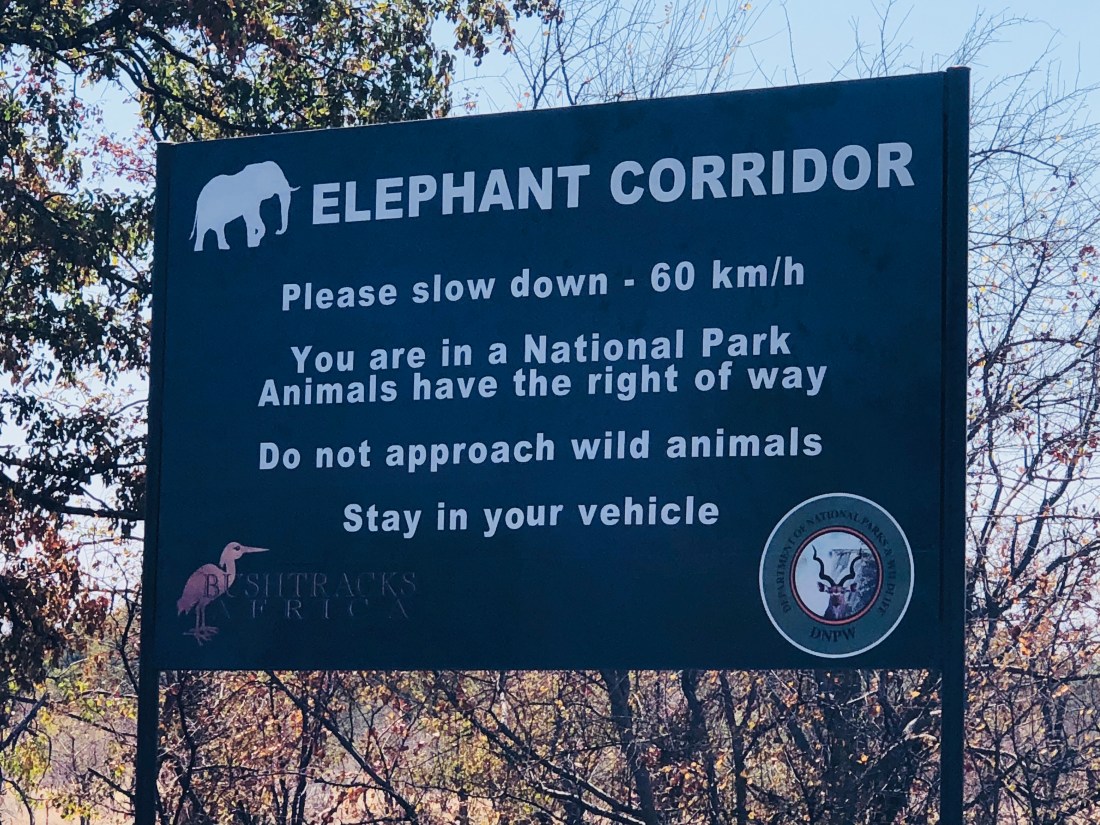
I hadn’t noticed this sign previously where I stopped to take an earlier photograph. Stay in your vehicle indeed……

Lusaka to Livingstone – Thursday August 30th

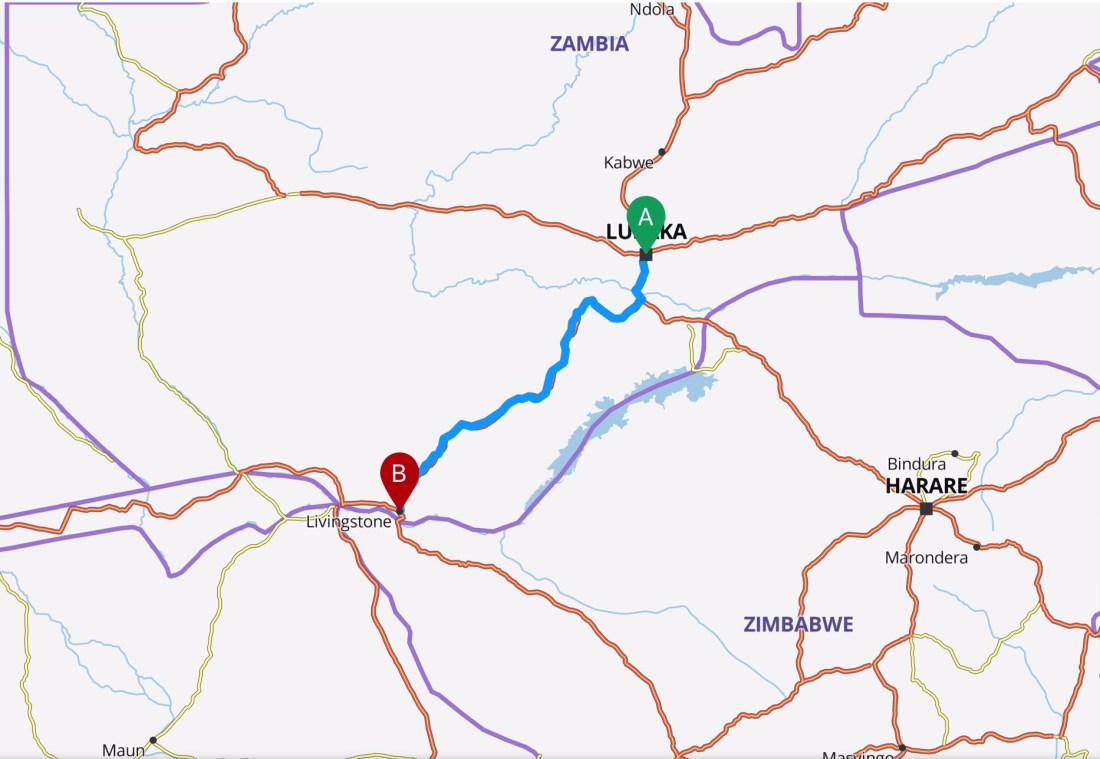
Another five hundred kilometre day ahead but first I had to negotiate the centre of chaotic Lusaka. Getting through the city at this time of the day was always going to take at least an hour.

Once out the other side all was fine but I had been warned that there would be about seventy or eighty kilometres of roadworks early on in the trip. But for the first hour or so the scenery was quite lovely as the sun climbed into the sky.

However, as promised, the road turned to crap so I just put my head down and got on with riding for long periods standing upright. Once I passed the very pleasant town of Mazabuka all was well again.

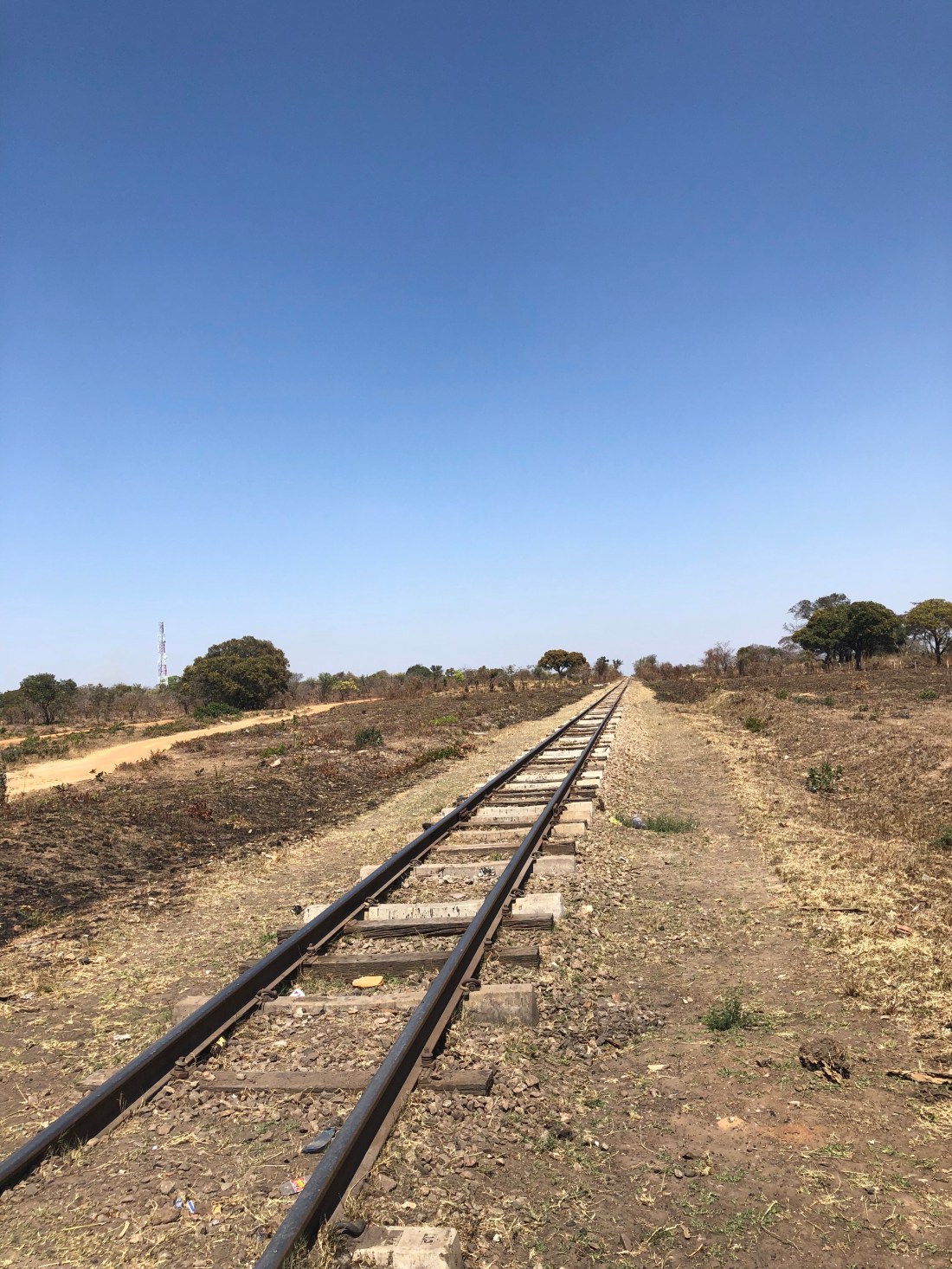
The road then zigzagged across the narrow gauge railway which carried goods daily between Zambia and Zimbabwe.

I had decided that I would stop for petrol and a break at Choma, which was past the halfway mark of the day’s journey.

From here on, and as there was little traffic, I opened up the throttle a bit. Nothing too mad of course. When coming out of a small town I noticed a police car with a speed gun but I reckoned that I was well past it and that it probably didn’t pick me up. A few kilometres on I noticed a white car in my rear mirror and it was gaining on me.

There were two choices. Either slow right down to see if it was the police car pursuing me or belt on because he could never catch me. I chose the latter and within ten minutes I was well away from him. I then dropped back to a normal pace.

About twenty minutes later an oncoming car flashed at me. I took this as a warning that there was a speed trap ahead and, just to be safe, set the cruise control at 100kph, the speed limit.

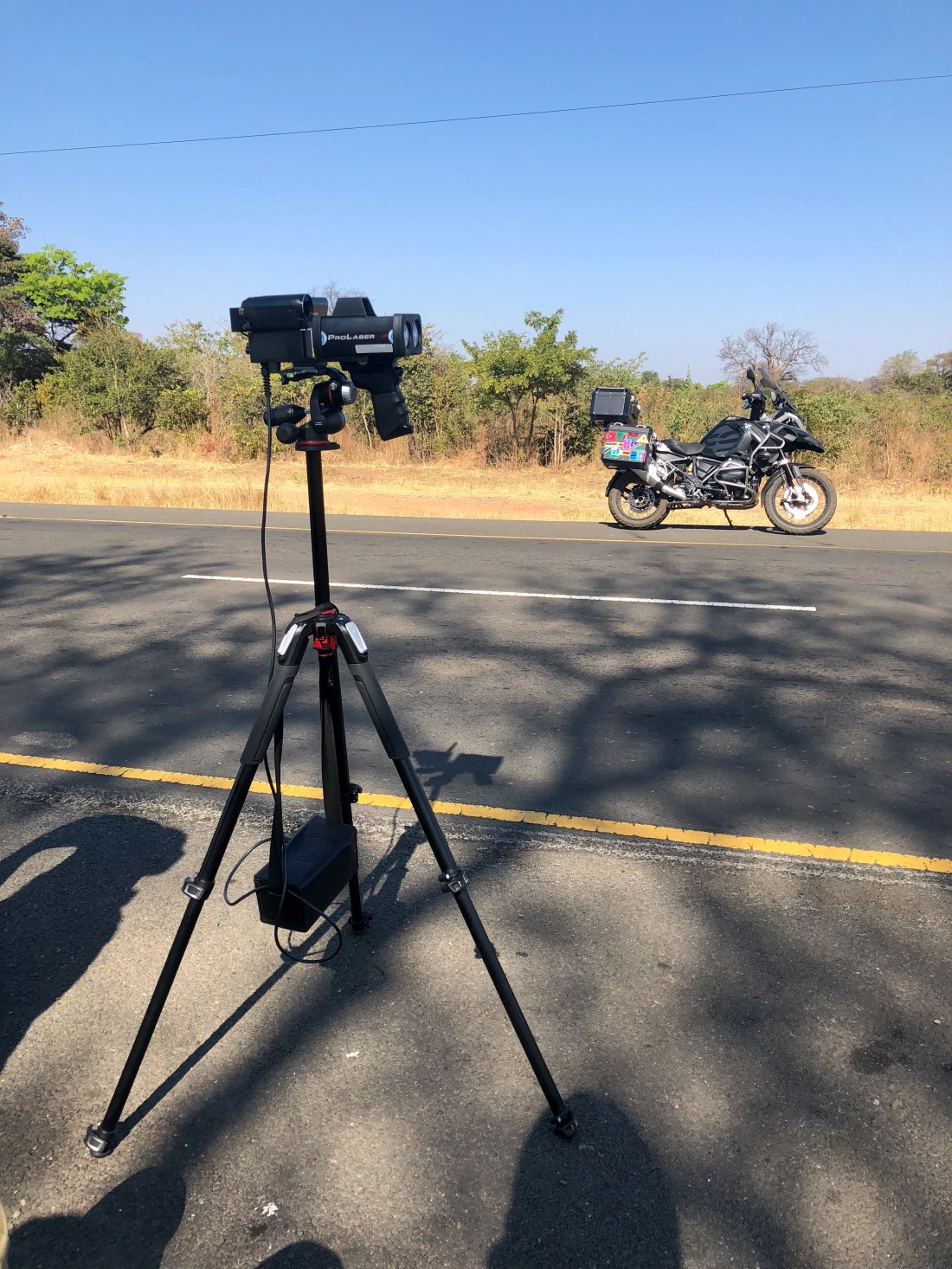
Sure enough, a few minutes later I was pulled over by two policemen with a speed camera. I initially argued with them that I had not been breaking the limit and that, as a responsible grandfather, I had great respect for the law. They were neither impressed with my logic nor interested in the pictures of Kaylee stuck to the tank.

I was directed to dismount and to go over to the police car parked under a tree. There, the grumpy senior officer sat slouched back in his seat sipping a Coca Cola while his colleague in the passenger seat dealt with a couple of truck drivers.

I was courteous but definite in my view that I had not been speeding. He was slow to tell me by how much I was breaking the limit but, when I pushed him on it, he said that I was doing 117kph. He was lying but by now I had come to accept that I was not getting out of here without paying a fine.

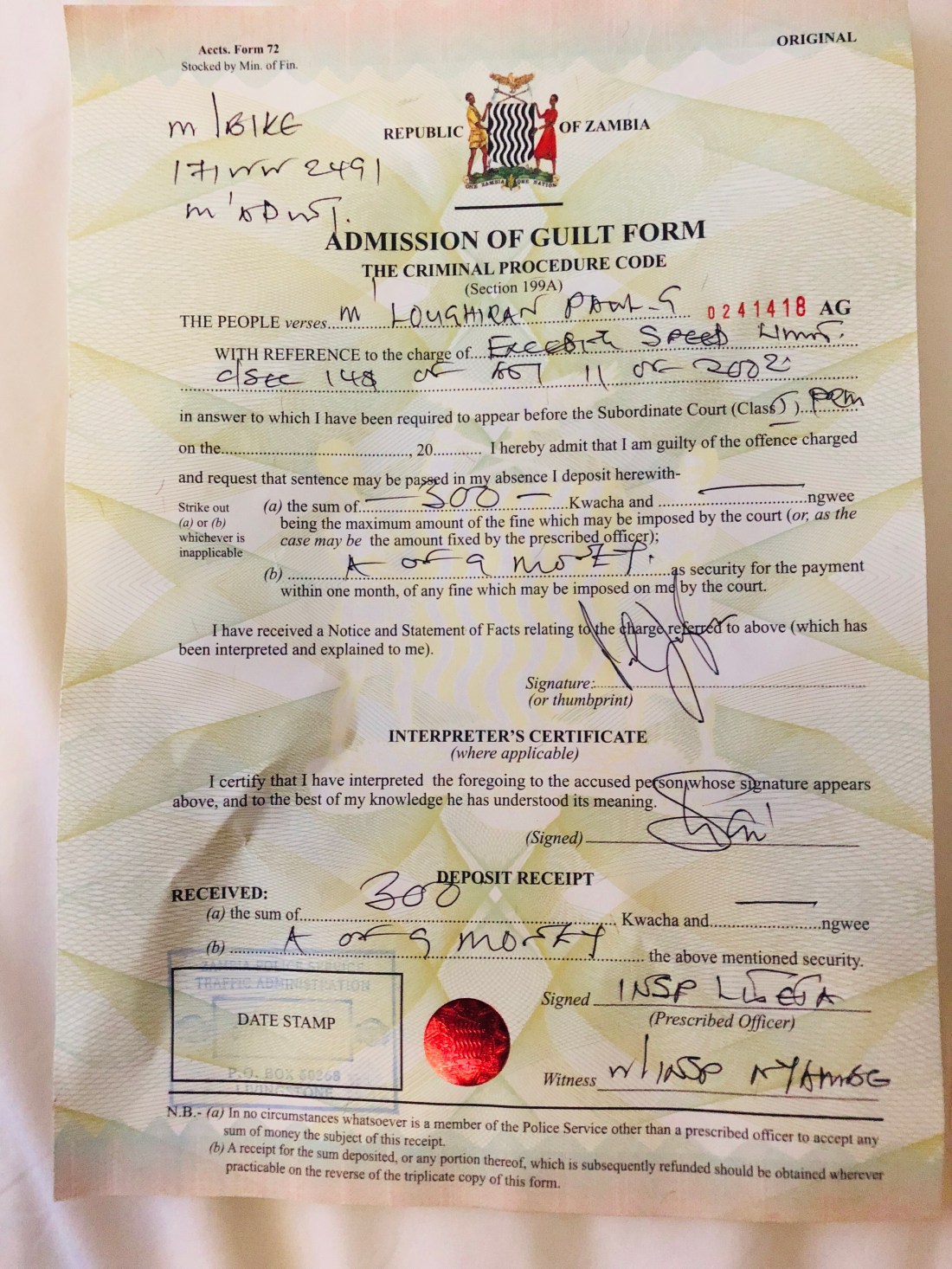
He gave me the alternative of a court hearing in a nearby town the next day. The fine was three hundred Kwacha (€25) although I noticed that the lorry drivers only had to pay fifty.

He was just going to pocket the money so I insisted on getting a receipt. Needless to say, he took ages with this.

So complete with a nice new criminal record, I thanked him for his courtesy and moved on. Maybe the earlier squad car had phoned ahead and so there was perhaps some form of poetic justice for the legal system in the end.

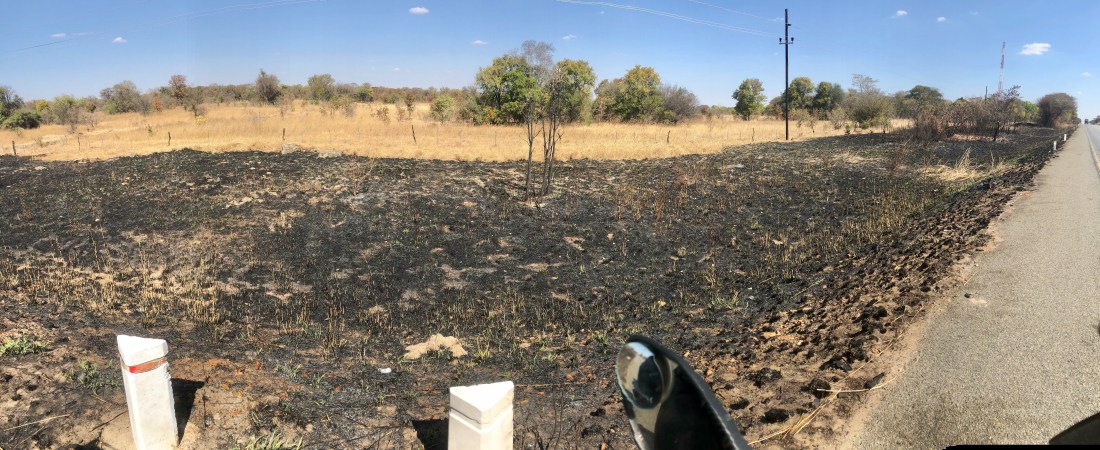
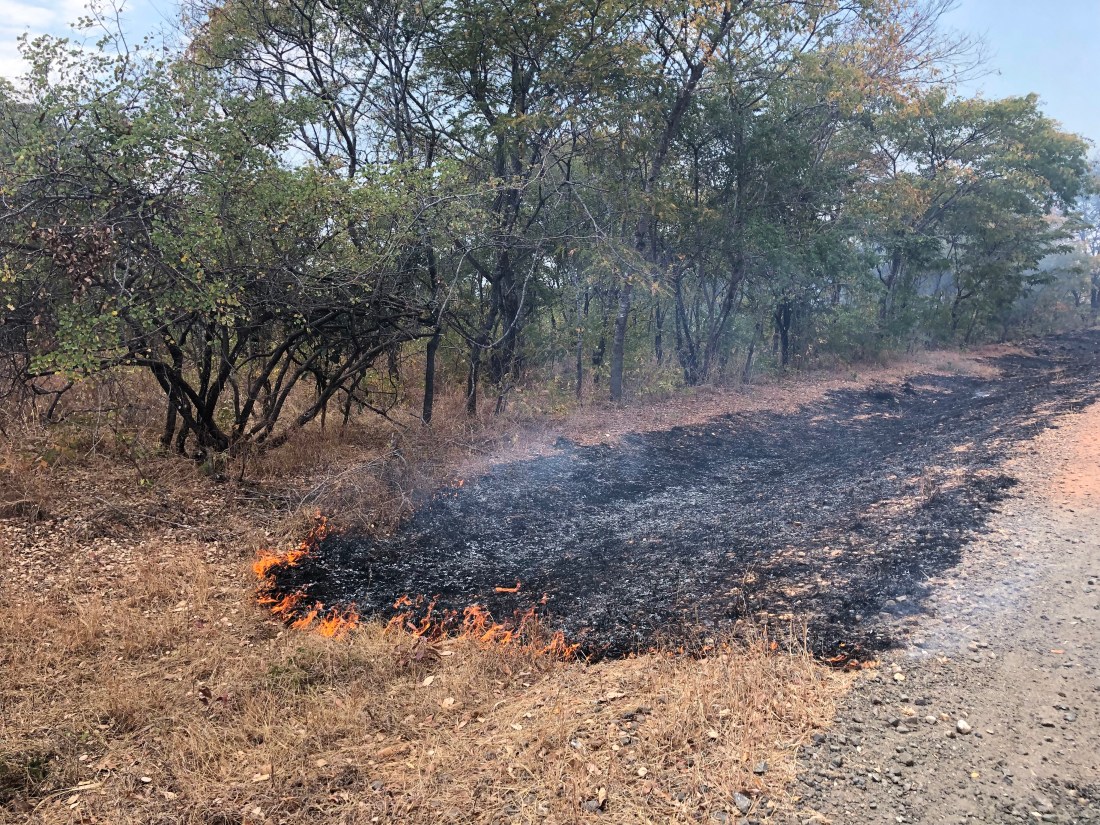
The roadside for the last eighty kilometres to Livingstone was totally scorched for charcoal. It just went on and on. It’s hard to capture this properly in a photo but it’s quite horrible and one wonders what people will eventually do once there is little land to scorch.

I was soon on the approach into the town and was looking forward to resting up for a day.

I had covered about one thousand kilometres in two days and a break by Victoria Falls was very appealing…..

Katete to Lusaka – Wednesday August 29th

Today was the first of two back to back five hundred kilometre rides so I was up and ready to go at about 6:30am. However the guy who was to take my payment was hilariously slow with his paperwork. I sat and watched him spend fifteen minutes deciding which one of two pieces of carbon copy paper to use. In the end he chose neither and went out to fetch a new piece.

While this was going on, a cook came and asked me what I wanted for breakfast. I wasn’t that hungry but he insisted that I eat something. He volunteered to cook me an omelette and I asked him for a glass of any type of juice along with it. Lemon juice was all that was available. Interesting. It took him almost an hour of flapping around to cook it and in the meantime my carbon paper man could not complete my bill until I had eaten it. Just go with the flow in Africa.

While all this fuss was working itself out I used the time to have Simba ready to pull out. Once breakfast was eventually eaten I paid the finely itemised bill which included in detail what I had had for dinner the previous evening. I said my goodbyes to all and pulled out at 8:15am.

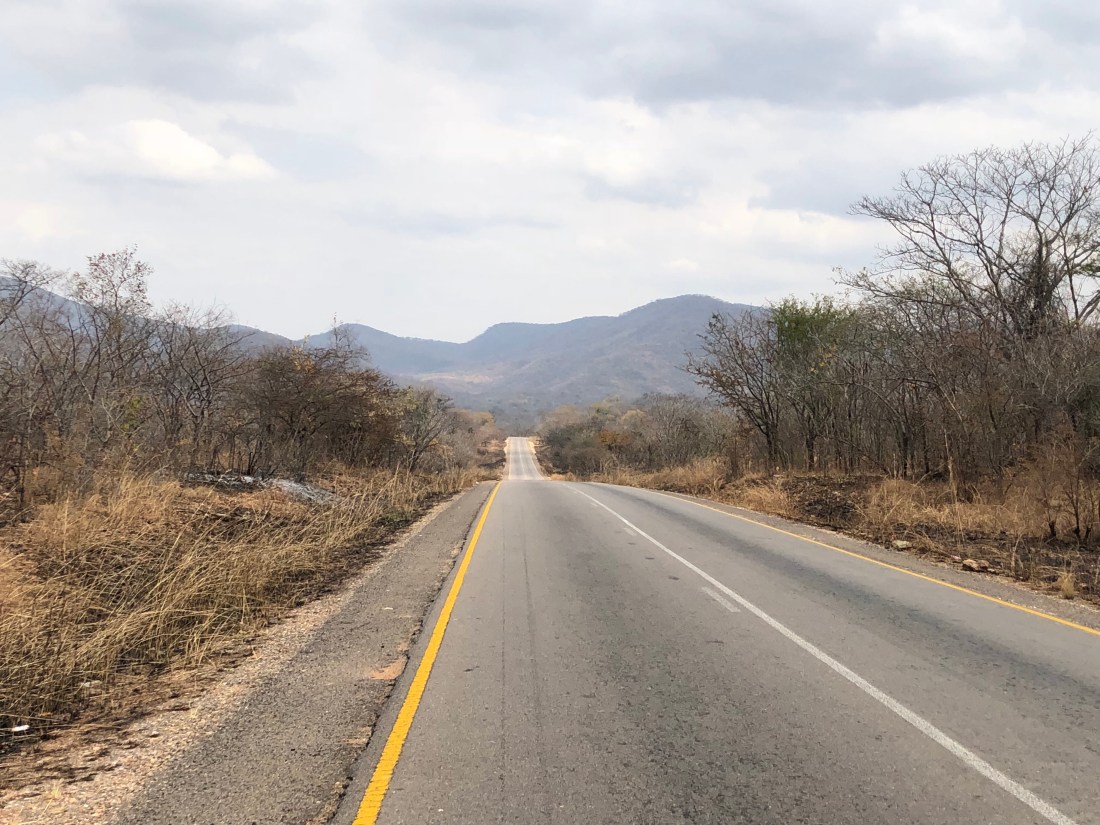
The first three hundred kilometres or so of The Great East Road, as it is called, was the best road I had yet experienced on this trip. No road works, no off road and straight as a ‘tramp’s nightmare’.

There was very little traffic too which meant that I was able to make good time.

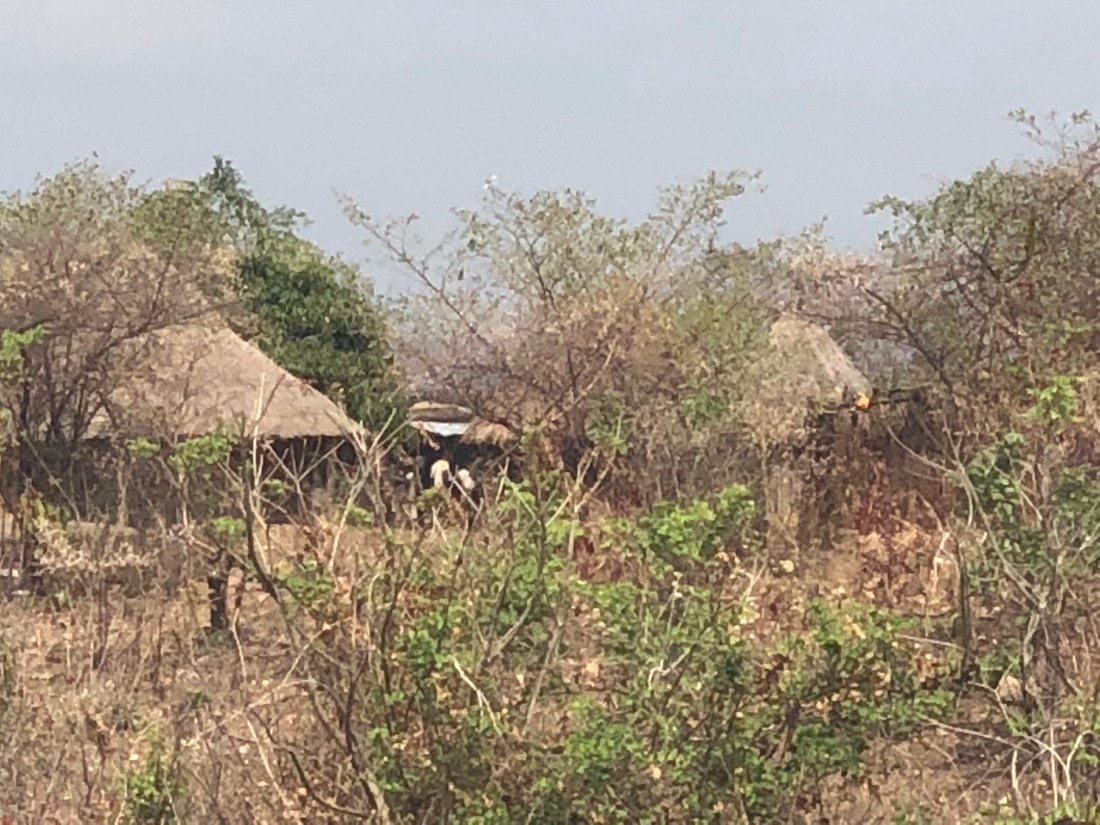
Tucked in off the road behind the bush there were hundreds of little villages all along the route.

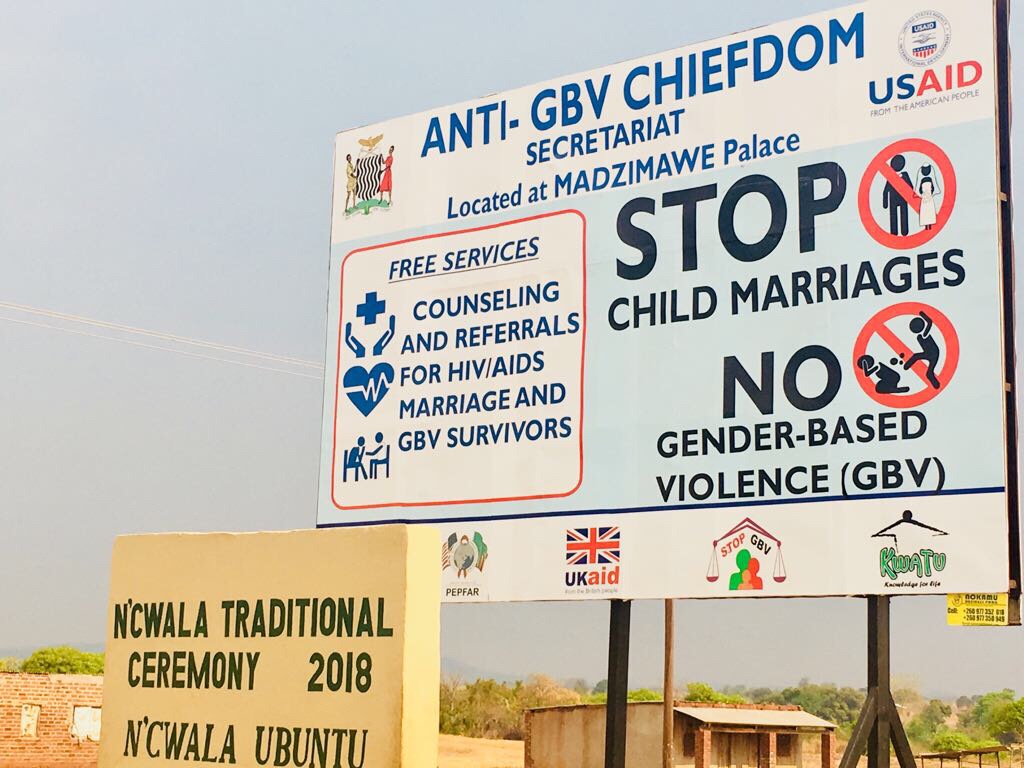
This poster appeared regularly which was obviously sponsored by NGO’s working in the area.

As the road started to climb into the mountains everything slowed down. Potholes started to appear frequently, as did the dreaded roadworks. This was compensated however with some magnificent scenery punctuated by one beautiful river crossing in particular.

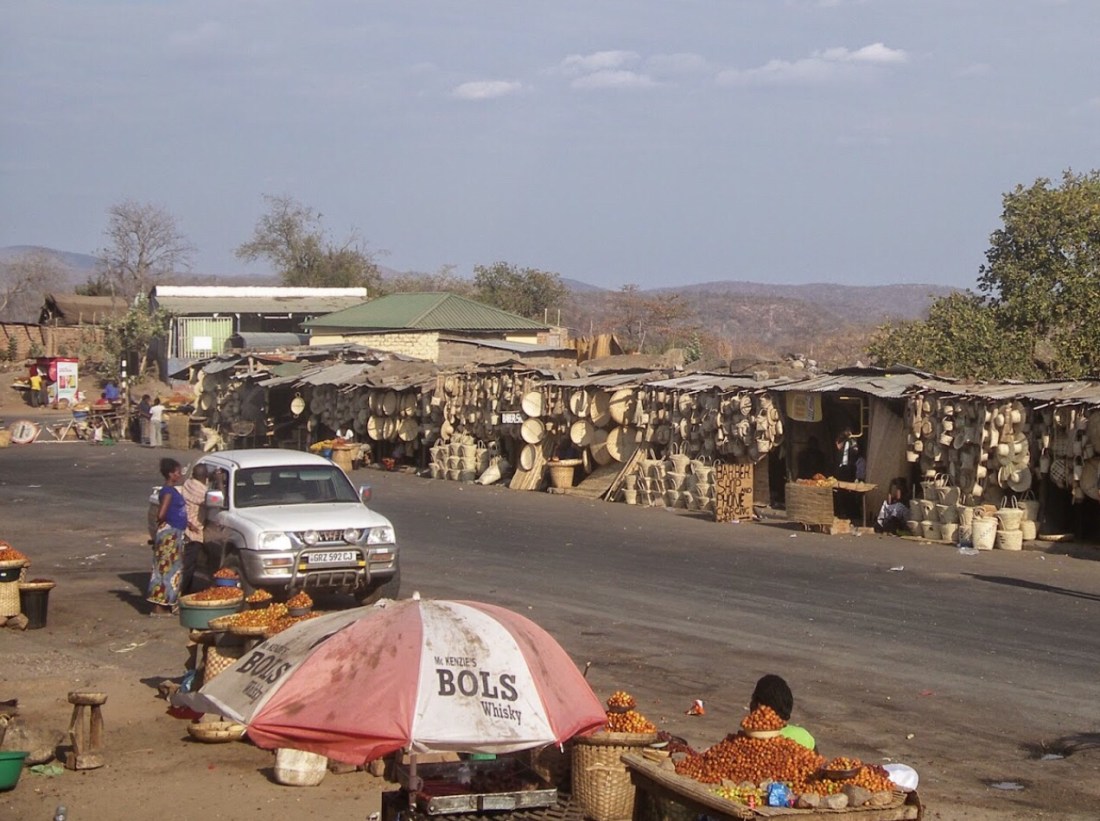
But that was just before hitting what is probably the most disgusting, dirty and seedy crossroads town in all of Africa. It is called Luangwe Bridge and this photo doesn’t remotely capture how grotty it is. It marks the junction which almost sits on the Mozambique border and where you turn south to drive the short distance to the Zimbabwe border.

This was not a place that I wanted hang around so I pushed on quickly. Just past the town, while stopping for a pee, two guys got off their bicycles and came right up close to watch me. That issue of space and boundaries once again.

Another three hours or so brought me to Lusaka where I stayed on the outskirts of the city. Tired but it had been an enjoyable day. Oh and the joy of a really hot shower….
Lilongwe to Katete – Tuesday August 28th

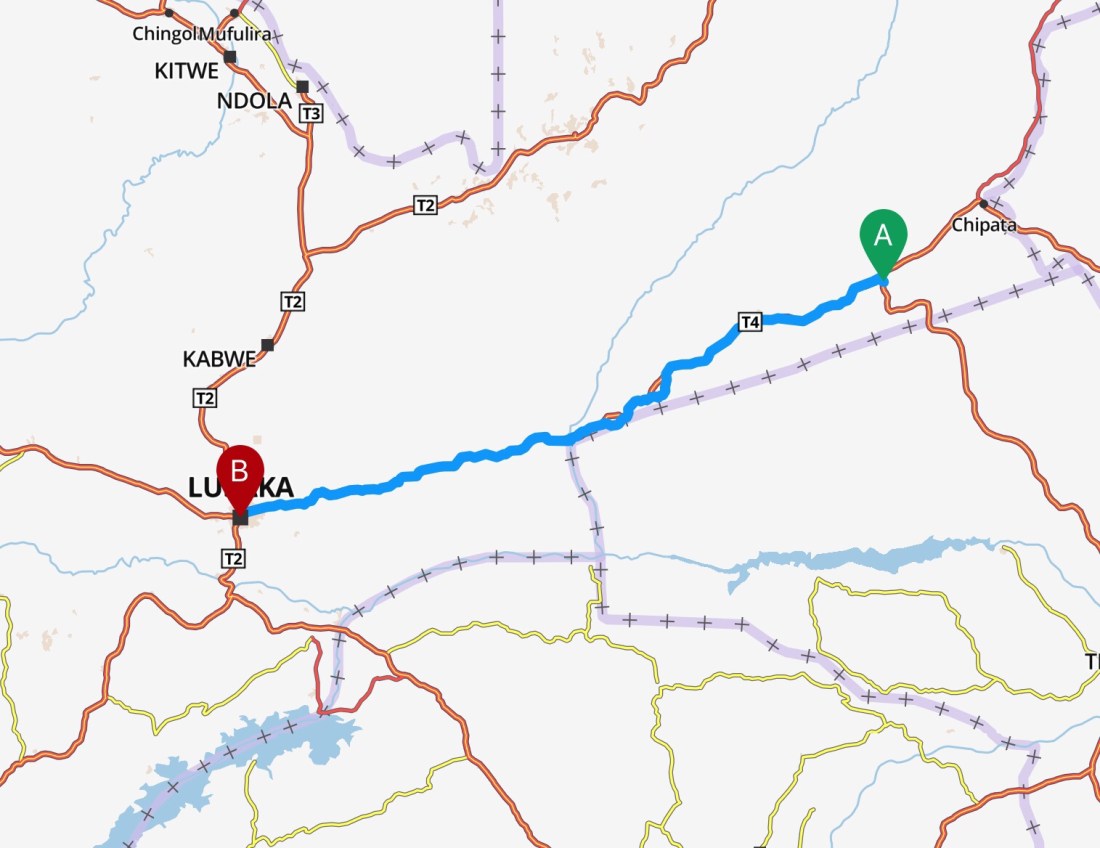
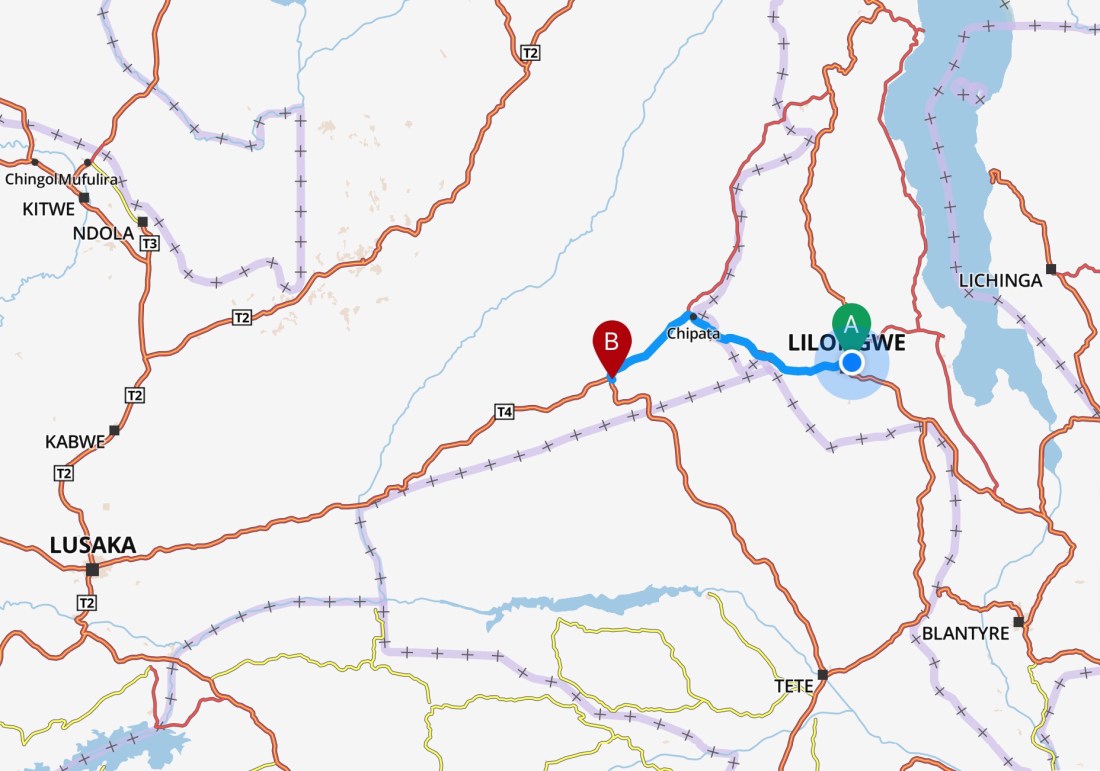
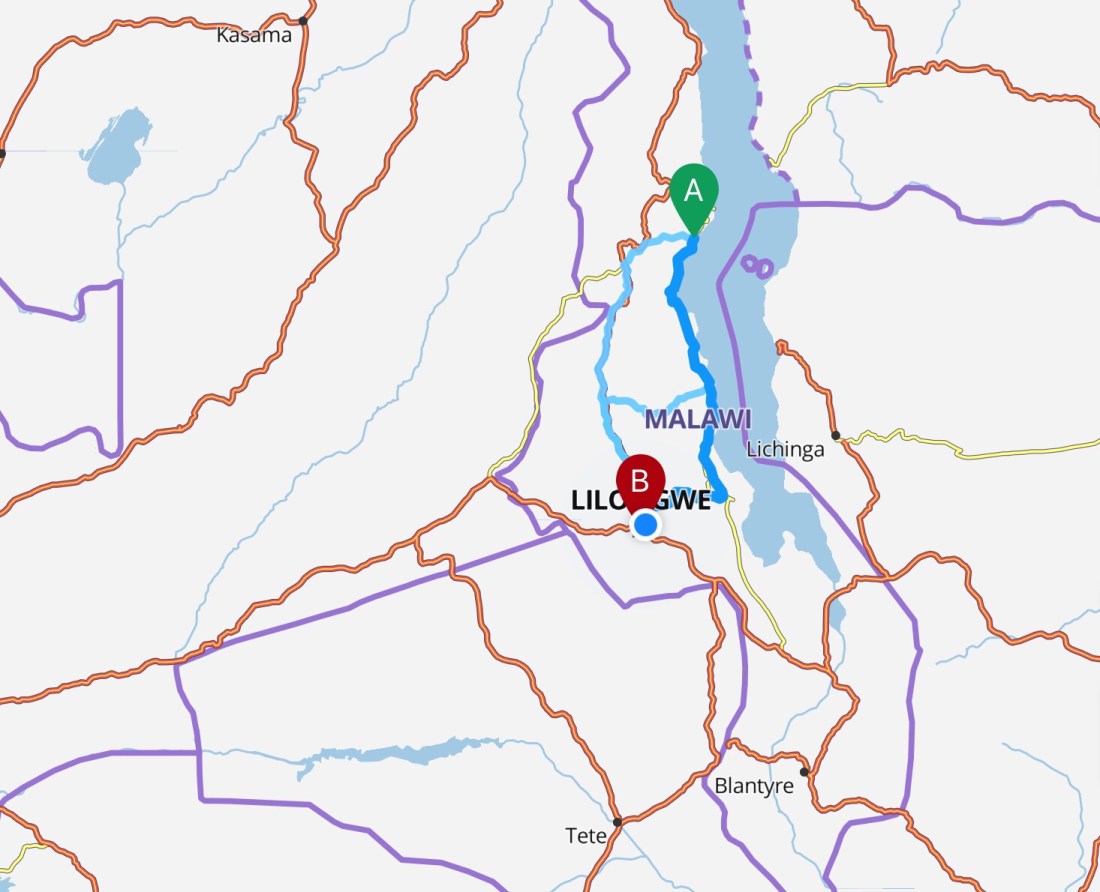
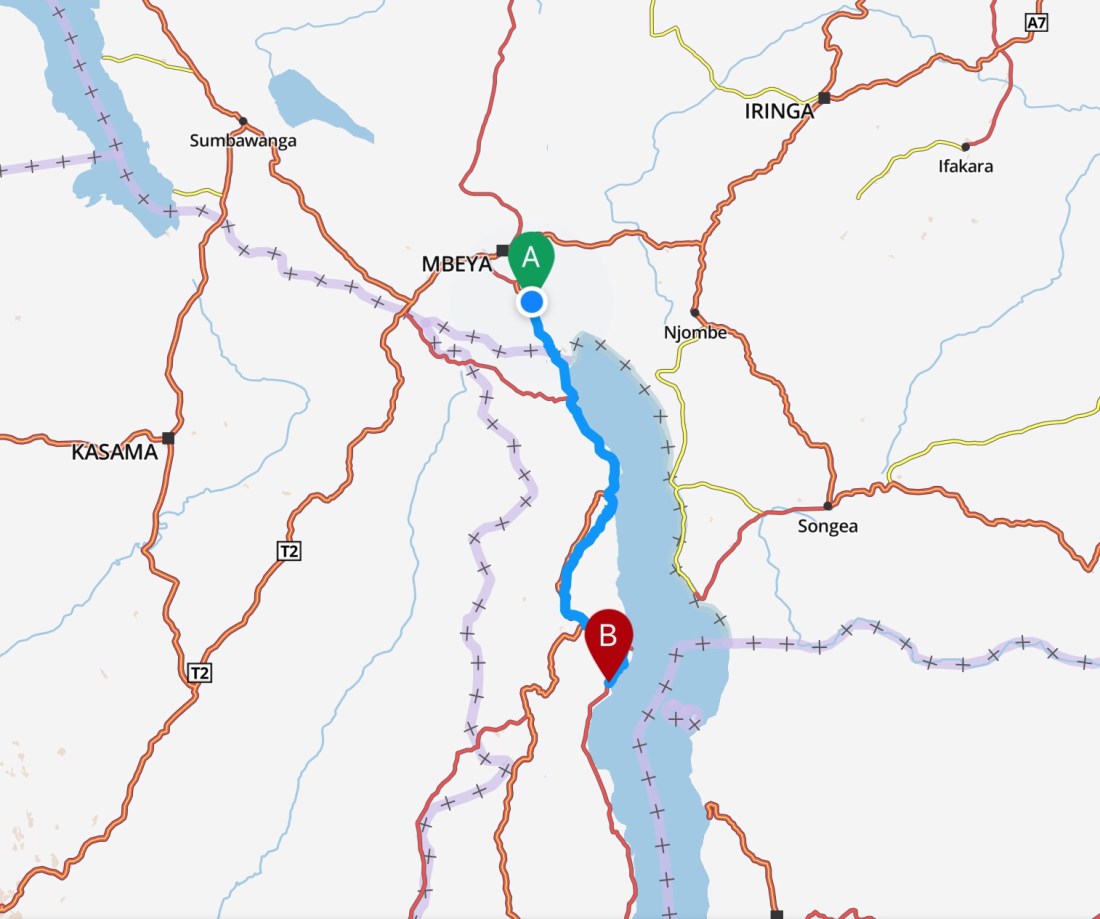
If you look at this map you might recognise how the original plan had been to travel to the southern Malawian city of Blantyre before turning west across the Mozambique border through Tete and on into Zimbabwe. However, the decision was finally made to avoid Zimbabwe, so it was going to be a straightforward westerly route into Zambia, crossing the border just before Chipata (the birthplace of one Joe Kelly to those who know him).
The short two hundred and forty kilometre ride was never going to be challenging except that it included yet another dreaded border crossing.

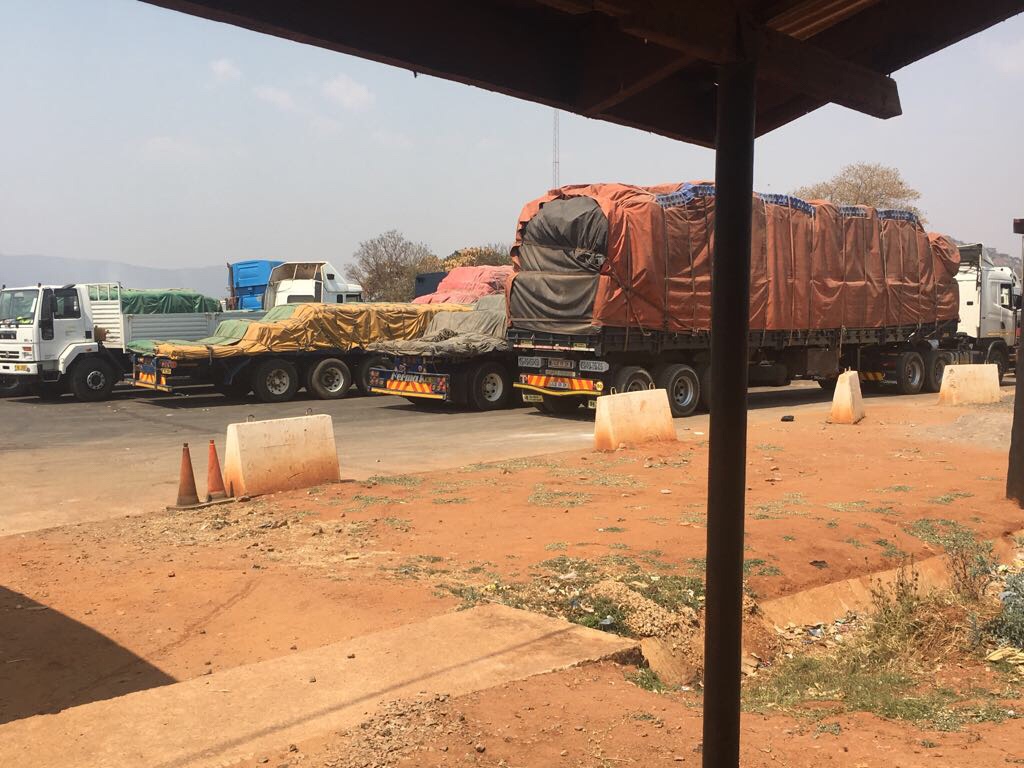
I approached the backlog of parked trucks that snaked their way back for a couple of kilometres and oh for the joy of being able to glide past them on a motorbike. I understand from chatting with some of the drivers that they sometimes have to wait two or three days to get cleared through.

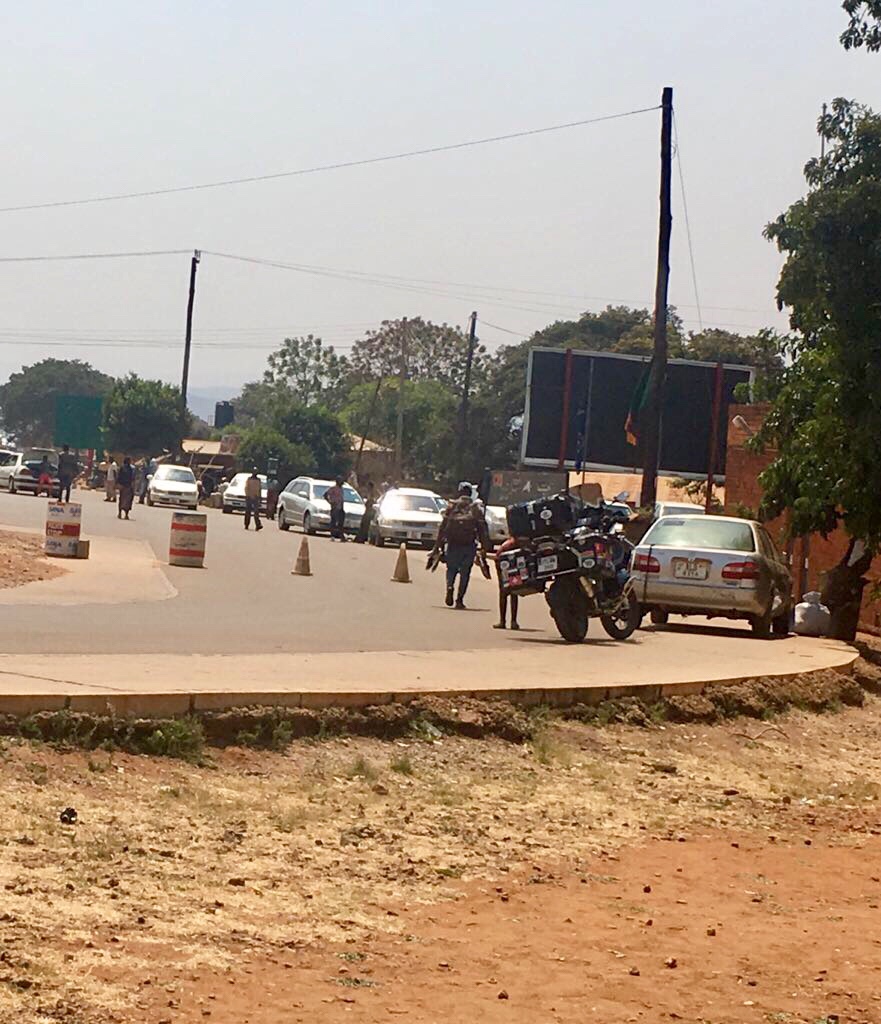
My able assistant on this occasion was once again named Patrick and he sort of appeared to be helping me without us even having discussed a fee. As the formalities involved in crossing into Zambia are more onerous I was happy to just let him do his thing. It was particularly hot and I couldn’t be bothered haggling.

As well as the Immigration process for myself and Customs clearance for Simba and related Carnet documents, there is also a local authority tax to be paid as well as a Road Tax. There is an additional Toll fee and not to forget the Zambian motorbike insurance. So Patrick, who was a very soft spoken Malawian guy, had a lot to get me through.

In all the border crossings I have made over the years, and given the seedy environments, nobody has ever interfered with Simba. I used to be uncomfortable leaving him unattended for lengthy periods (with just the alarm switched on) but I guess that the presence of so many soldiers and police is good enough protection.

An official at Zambian Immigration was potentially going to be a bit difficult but I could make out a Spurs logo on a top she was wearing under her jacket. I winked at her as I announced to the whole room how proud she must be about the three nil win over Manchester United at Old Trafford the previous night. She suddenly started to gloat and went on to lord it over her colleagues. I must confess to lying about how pleased I was about the result and, either she overlooked it or it wasn’t due, but there was no visa fee this time around.

Anyway, after a couple of hours getting through the various paperworks, I gave a very grateful Patrick US$20 and bought us both a Coca Cola from a vendor. All done and I was now in Zambia.

I hadn’t had breakfast so stopped off in Chipata to visit an ATM and to get a bite to eat. A couple of guys were hanging around Simba and begged me to let them take selfies while sitting on the seat. No problem.

The one thing that you notice after crossing the border from Malawi is just how different the two countries are. I’m not saying that Zambia doesn’t have subsistence and poverty related issues, but there is altogether a sense of it being more prosperous, relatively that is of course.

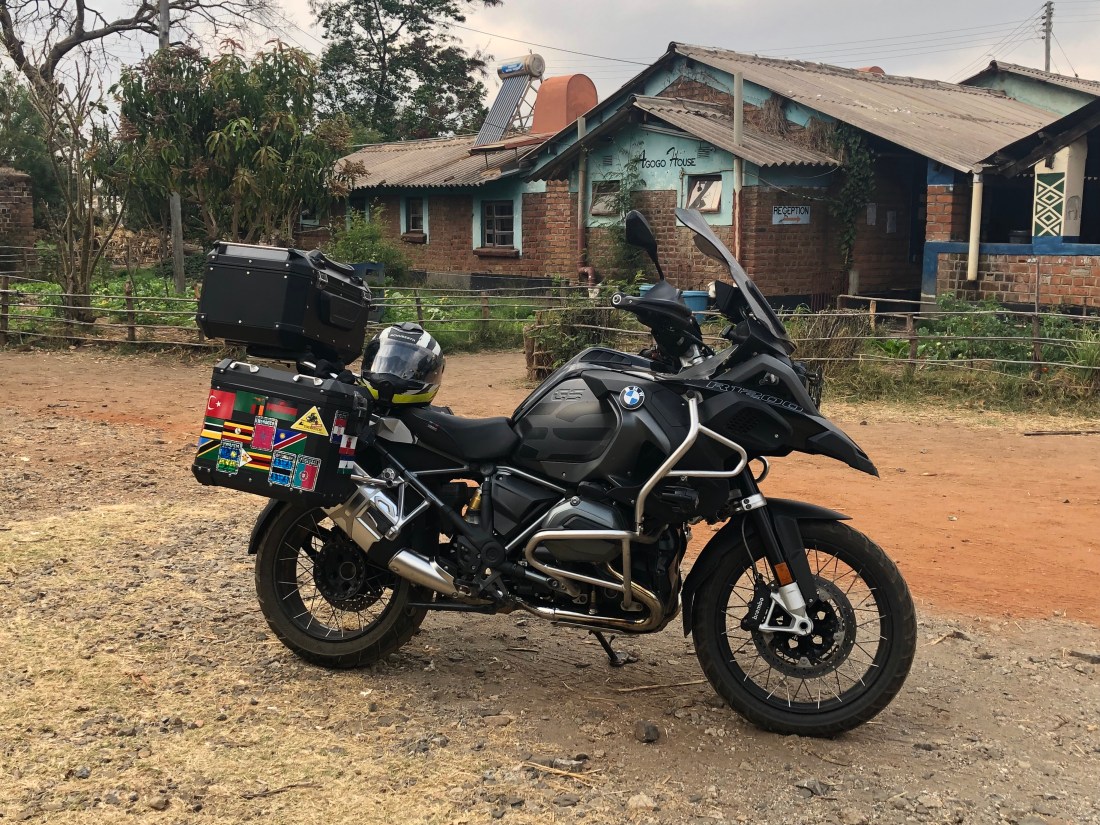
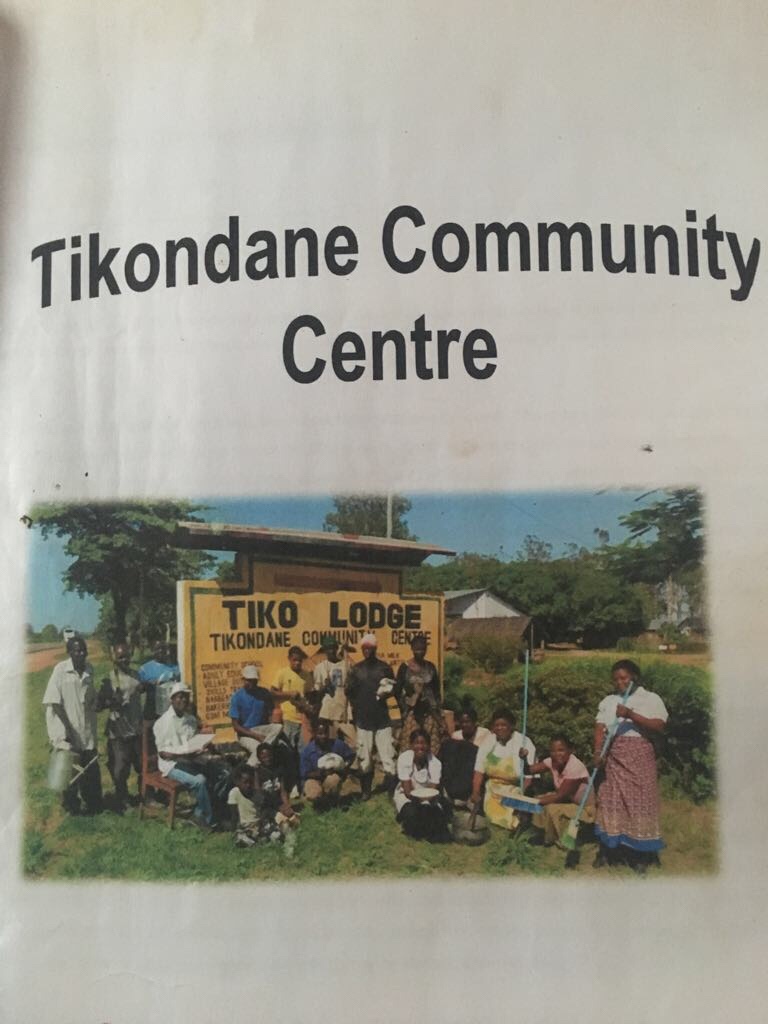
So I pushed on down The Great Eastern Road towards Katete where I would be staying at Tikondane Community Centre.

I had emailed that fine German woman, Elke, who runs this quite mammoth enterprise attaching to a community school and a hospital. In addition to these programs she has also set up an accommodation facility and a food service area. As well as the school, they train local girls as teachers. They offer skills classes in woodwork, soap making and food product manufacture to name but a few. It is an incredible cottage industry and well worth the support of any of you who might feel so inclined.

My room was a rondeval which is a traditional South East African dwelling and could sleep six people comfortably.

There was running water and a decent supply of electricity which made for a very comfortable night…..

Lilongwe – Sunday/Monday August 26th/27th

I still had a soft spot for Lilongwe since my last visit, so I decided to spend an extra day here. It gave me an opportunity to look up some people I had gotten to know previously.

Lilongwe as a city is about as far from the centre of the universe as you could imagine but there is something about the way it soldiers on through it’s own multiple adversities that I admire and indeed respect.

I have only fleetingly touched on Chinese influence and investment in these parts but it would take a tome of it’s own to analyse it.

The national football stadium built by the Chinese…

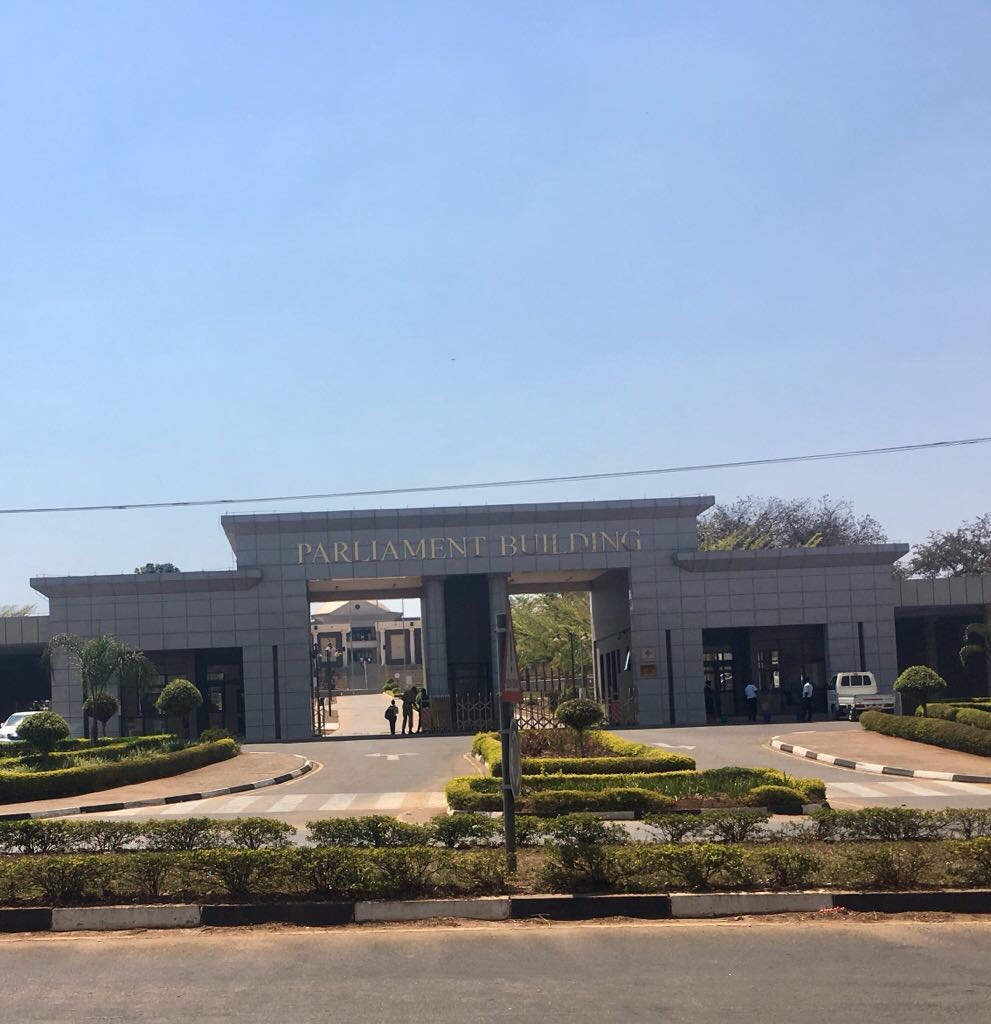
Parliament Building built by the Chinese..

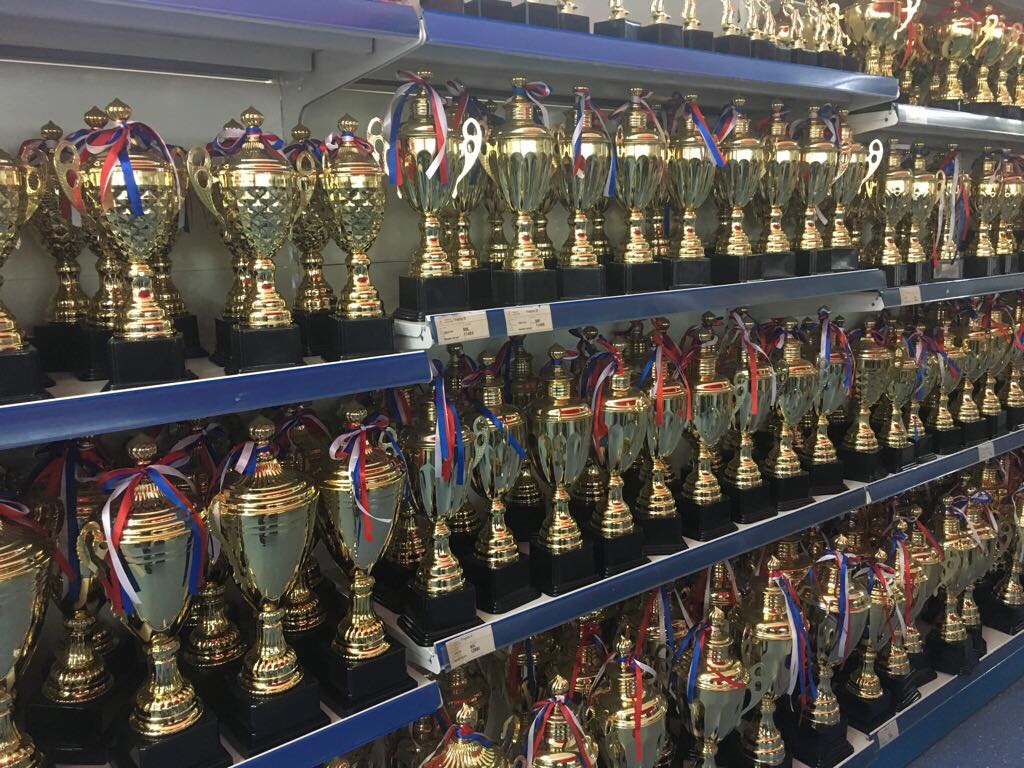
The strangest products packing the shelves of Chinese built and Chinese run supermarkets..

New roads are being built by Chinese, the hotel I am staying in was built and is owned by Chinese, communications systems are being created by the Chinese etc. etc. And that’s before even setting foot into Zambia.

On Sunday morning I browsed around the city and, apart from some infrastructural improvements, little seemed to have changed. I chose not to revisit The Rose Project facility attached to the main hospital as I didn’t feel that it would have been appropriate to rock in unannounced while the staff there carry out their excellent and life enhancing/saving work.

William and Lauretta who had put me up in Salima on my last visit called to collect me in the afternoon and took me for lunch at a really nice city wildlife reserve, a bit like what we would describe as a zoo I guess. We spent the day chatting and driving to markets etc. and William, who rides a motorbike, still harbours an ambition to own a bike like Simba one day. He works in building construction and project management on projects around Malawi and it was really interesting to hear how he sees the potential for national growth. Sadly, as throughout Africa, one of the biggest impediments is corruption of governance.

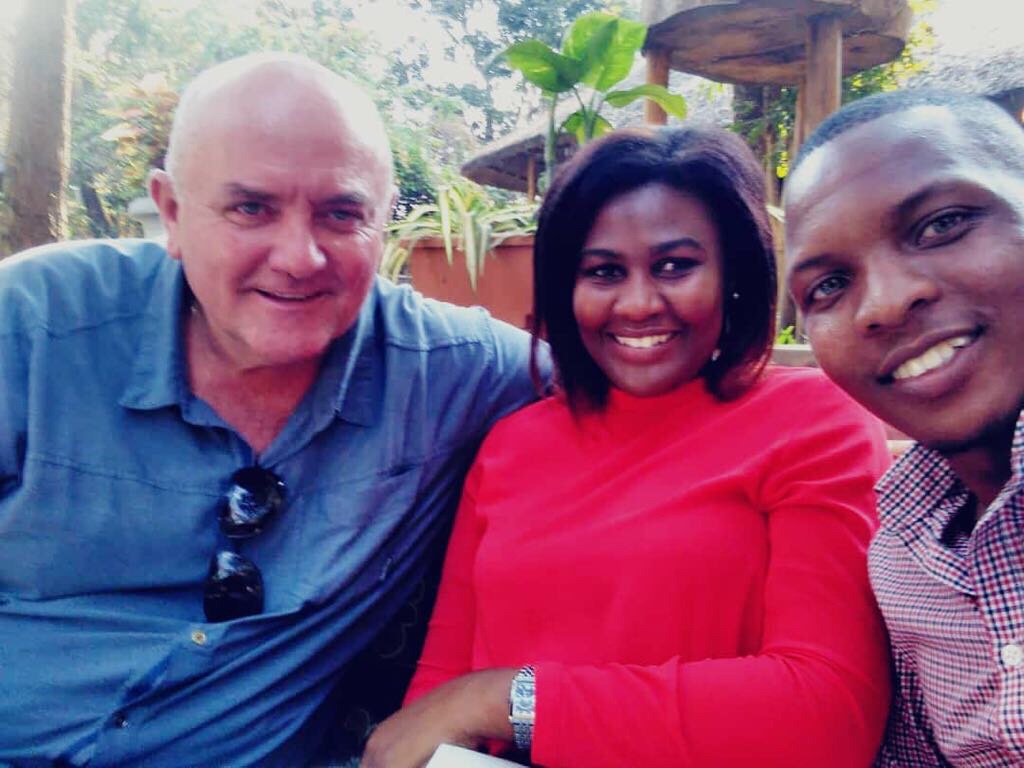
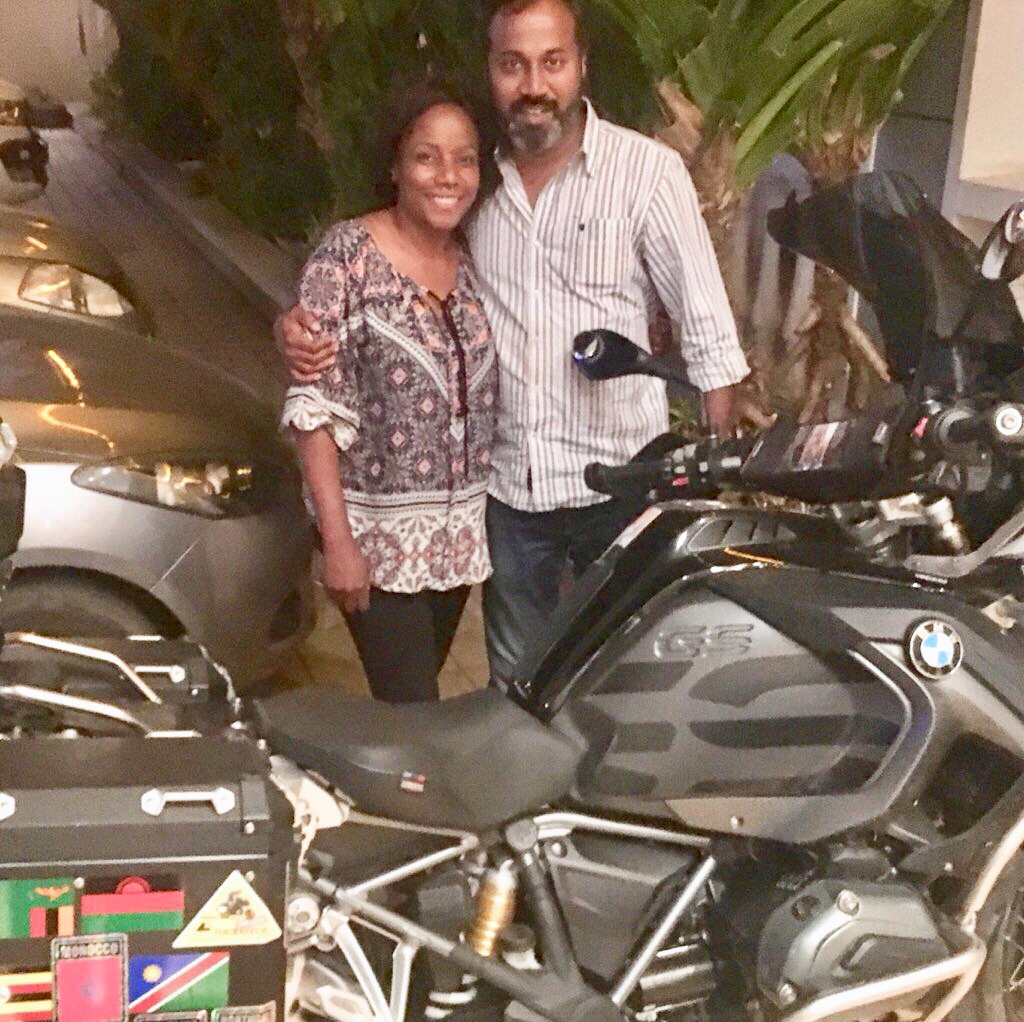
On Monday I had accepted and invitation to have an early dinner with Jeranjie and Sonu, a truly delightful couple.

Jeranjie and Lauretta are cousins and I had stayed as a guest of her family and community in a remote village in northern Malawi the last time I was there. It was lovely to have a home cooked meal and Sonu was very helpful when chatting about whether or not I should travel on through Zimbabwe. He has an egg and poultry business which deals with most surrounding countries and there is not much that he doesn’t know about traveling in Africa.

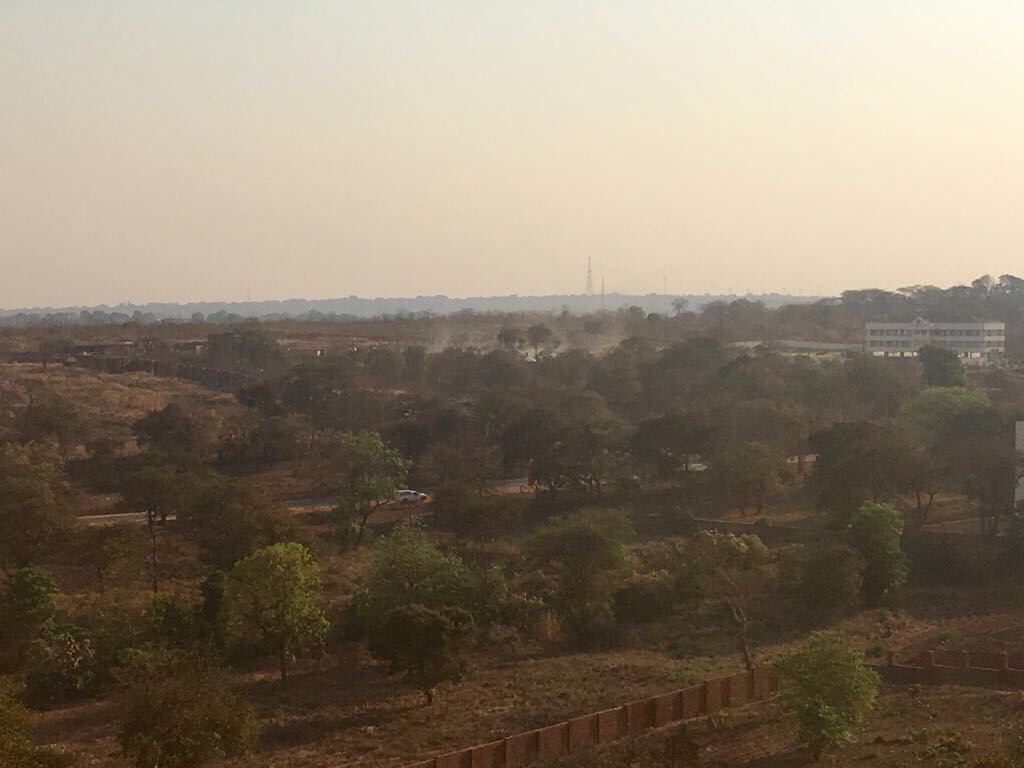
One last photo overlooking Lilongwe. Although it has a population of over one million people, it is very spread out and has few areas of real density…..

Chintheche to Lilongwe – Saturday August 25th

The few days in Chintheche had been great and, feeling well rested, it was time to say goodbye to this special place.

Once everything was loaded up I popped in to Mariette to say farewell and thank her for her warm hospitality.

For anyone ever considering either motorbiking or driving through this part of Africa you really should try to make this a stopover.

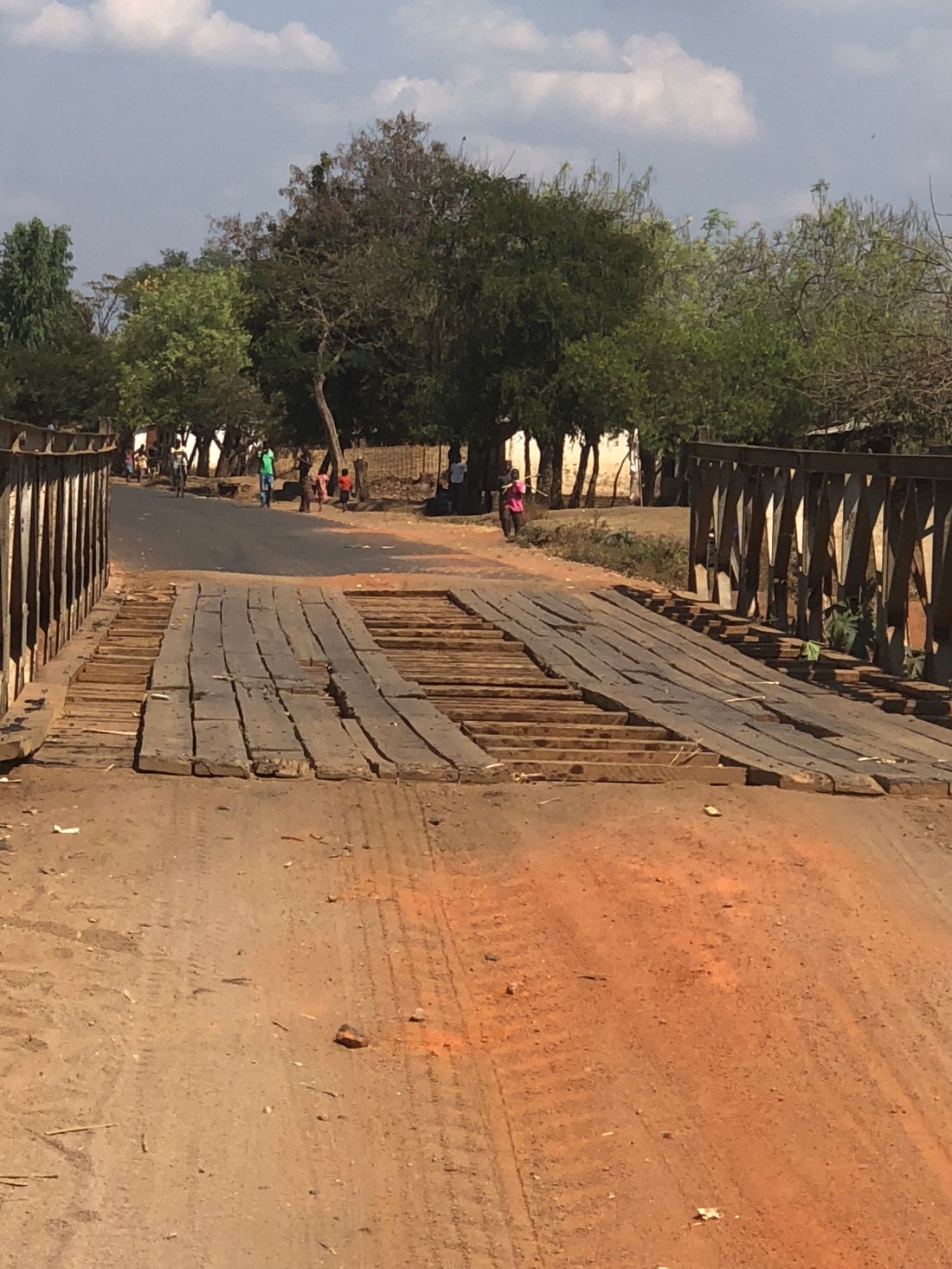
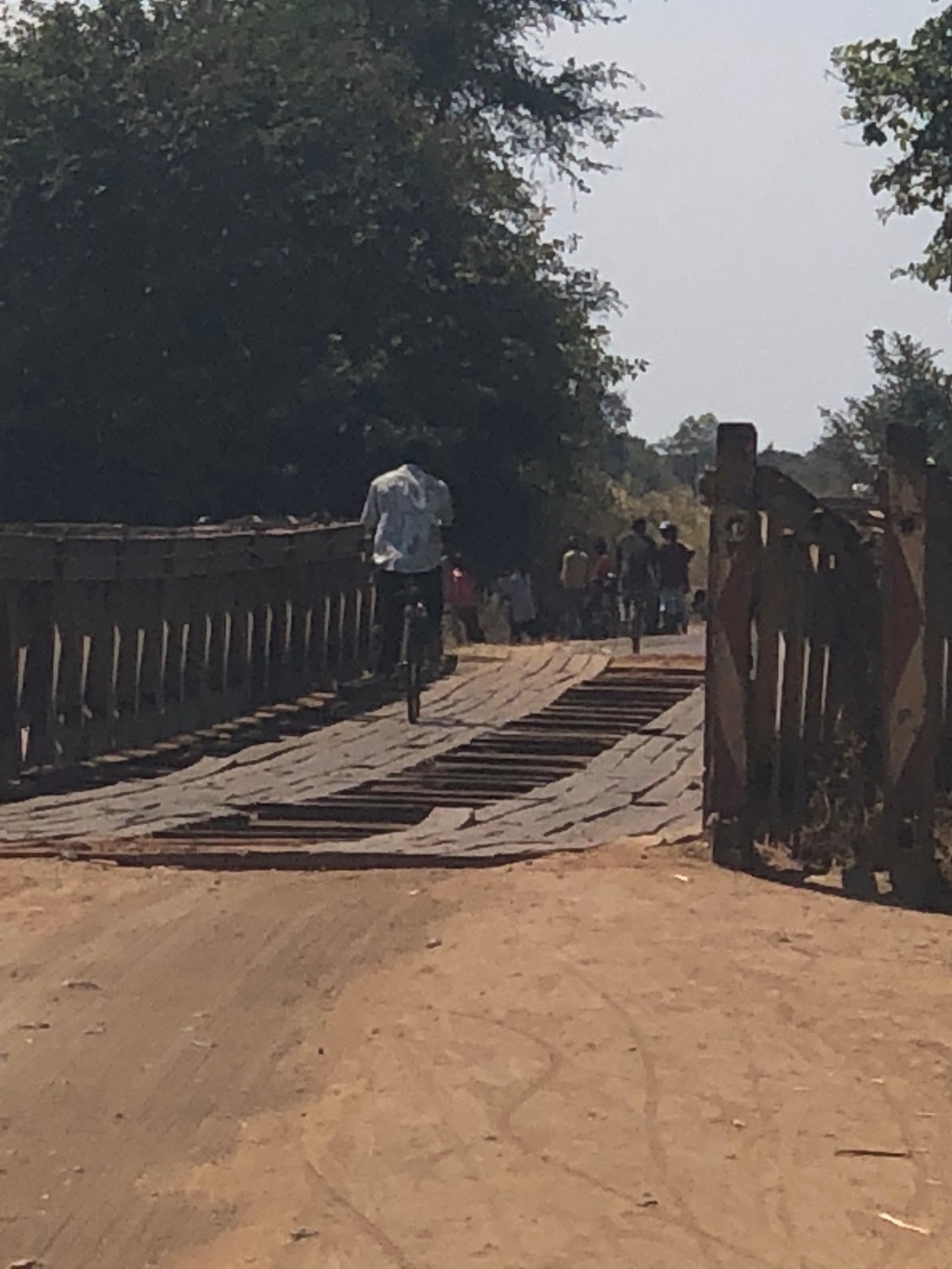
Then, after carefully negotiating the couple of kilometres up to the main road, I turned south and enjoyed the warm morning air in my face. This was secondary road for about two hundred and fifty kilometres as far as Salima but, apart from occasional potholes and rickety wooden bridges, the beauty of it is that there was very little traffic.

It’s hard to believe that quite often a big articulated truck will travel this road and cross these bridges.

It was lovely to ride slowly through little villages and rural communities where people were busy getting on with the chores of everyday life.

Water, as everywhere, is the source of life and living and I came across several of these quite robust looking hand pumps being operated by local women. From observation they seemed to draw water more rapidly.

I later met up with a Scottish water systems engineer who told me that they are being rolled out throughout Malawi and that they are indeed more efficient and easier to pump.

This is a regular sight in this part of Africa. Earth gets burnt back and the larger charcoaled sticks are then gathered and sold as fuel for cooking. Ecologically this is catastrophic for both the local and the global environment but it’s hard to relate the Paris Accord to the lives of ordinary Africans who have no other access to cooking fuels. A bit like some guy in Brussels telling an eighty year old bachelor in the west of Ireland that he can’t cut turf.

Once past Salima the road west improved and the next eighty or ninety kilometres was dream motorcycling surface. The soft curves meandered over the undulating hills and the views all around were spectacular.

By late afternoon I started to hit checkpoints more frequently and this is always an indication that you are nearing a big town or city. Before long I had checked in to the hotel that I had booked in advance. And after thirty degrees heat for most of the day it was time for a nice long shower…..

Chintheche – Thursday / Friday August 23rd / 24th

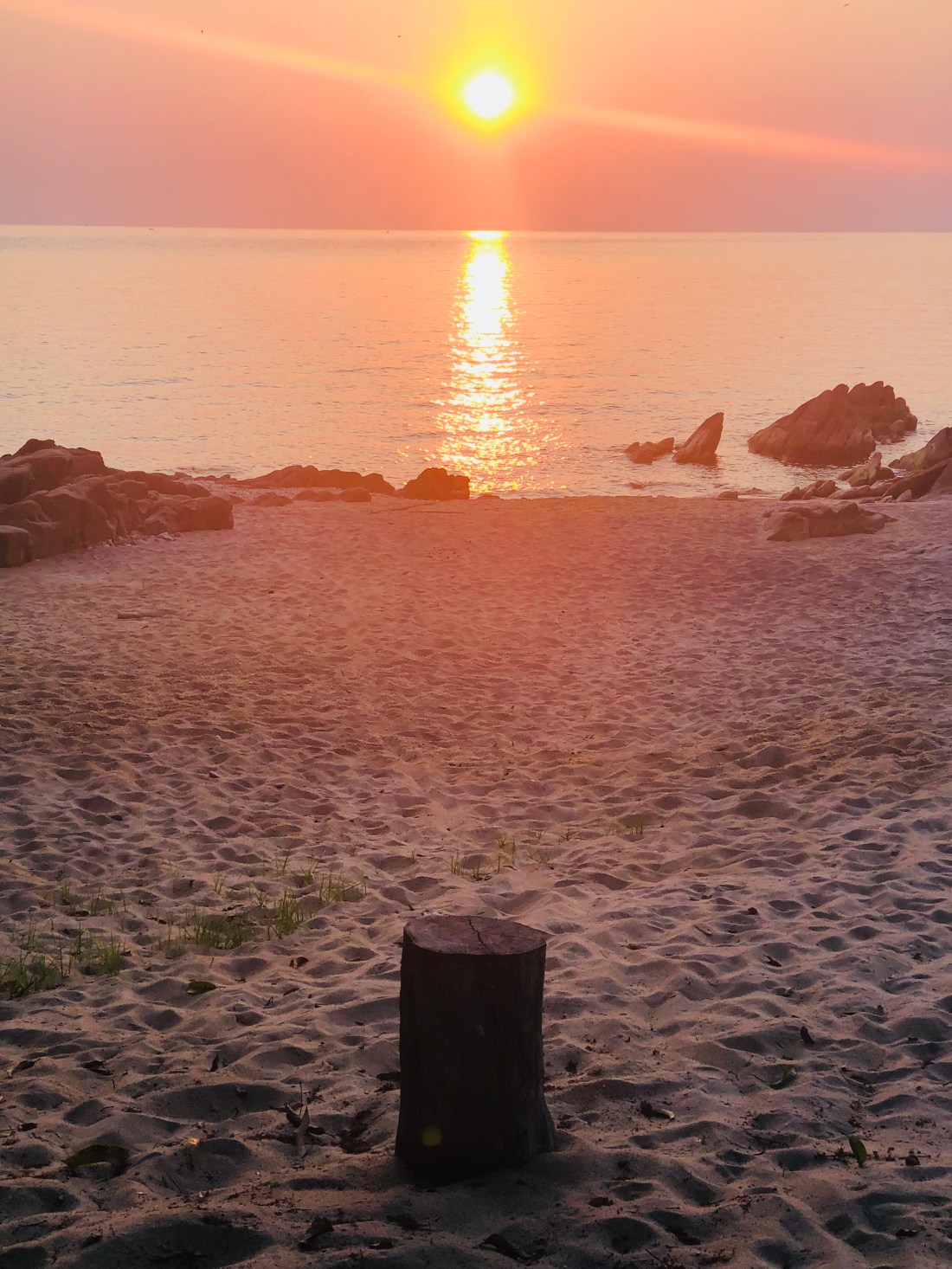
The sun rose over the glistening lake at about 6:30am and all was good with the world. You could sit for hours and just gaze into the distance in the same way as you would a fireplace in winter back home. I had been looking forward to returning here for some time and it was wonderful to just be in the moment.

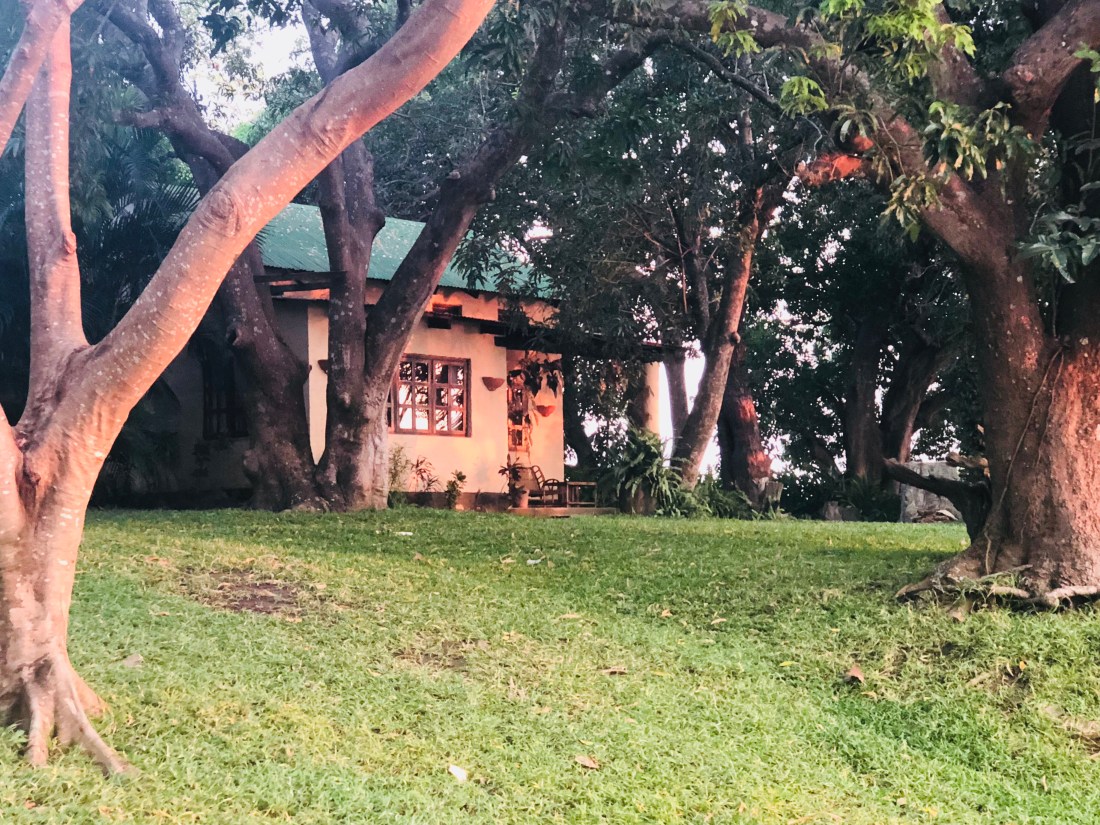
The glow of the early morning sun filtered through the trees lighting up the cottage porch and taking the chill from night air that still lingered inside. And on the lake local fishermen were already out in hope of an early catch.

I made some coffee, toast and boiled egg for breakfast and, along with a glass of mango juice, sat listening to the early morning bird chorus in the trees above. And this was how it would be for the next couple of days.

I sent a message to Mariette with one of the local men that I would drop up to her house later in the afternoon and went on to spend the rest of the day (in fact next two days) unwinding. Over the couple of days I just lived and breathed, taking strolls on the lakeside and watching locals in their daily routine.

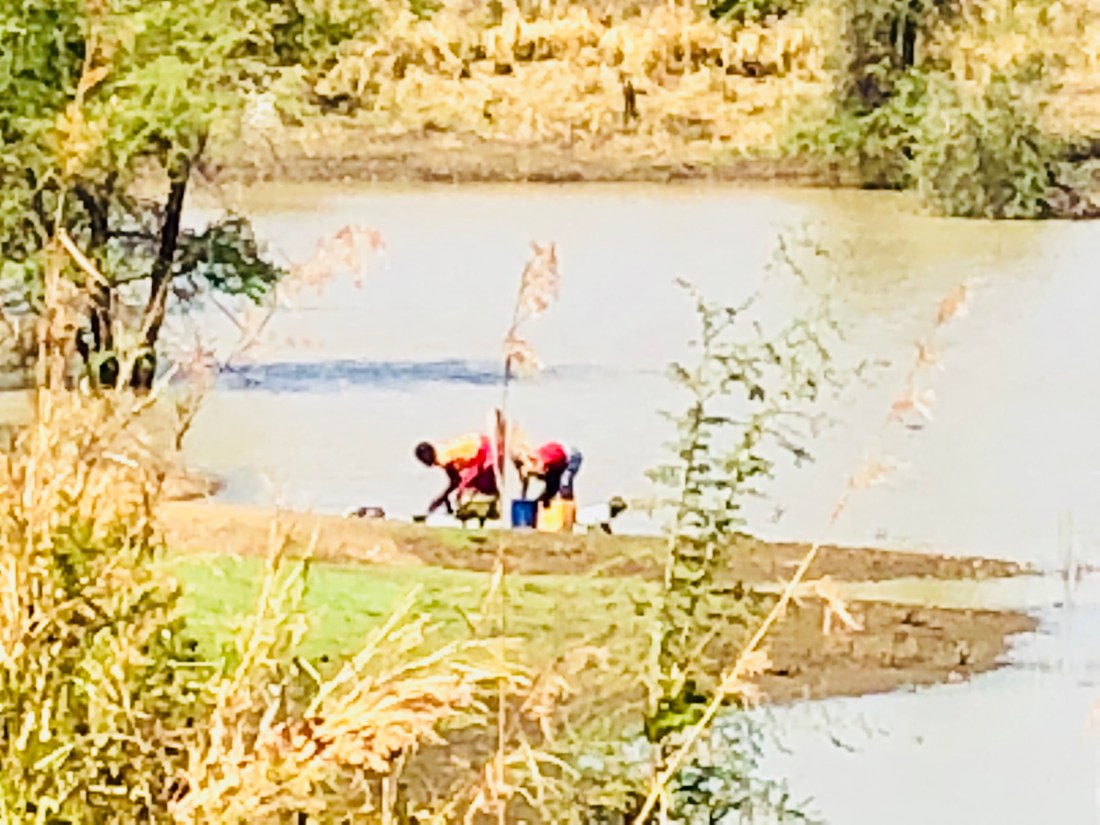
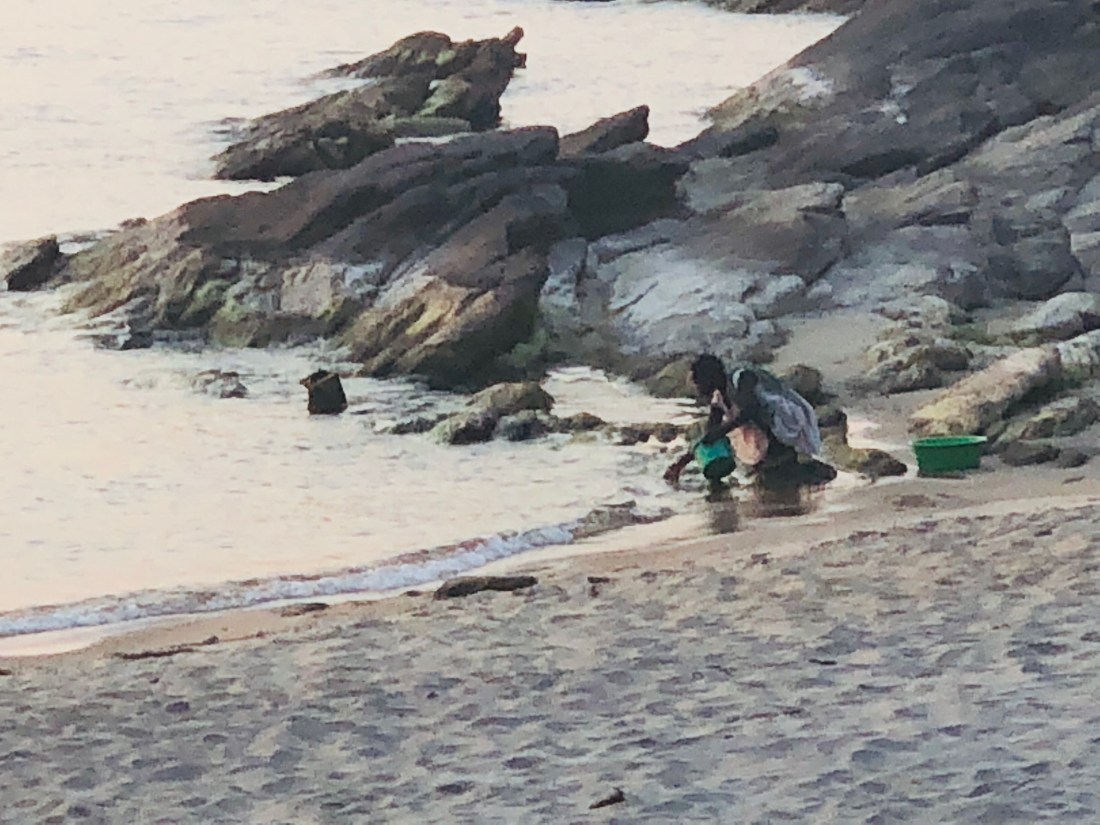
At the same time each morning this girl would appear with her little bit of washing, spend a while getting it done and then slip off into the distance. Life seemed to happen at a slow and steady pace, which is such a contrast to the survival mayhem of the towns and cities.

A man pulled up his fish laden canoe and sold a couple of big ones to the local man who hailed him in off the lake. Transaction done and off both men went.

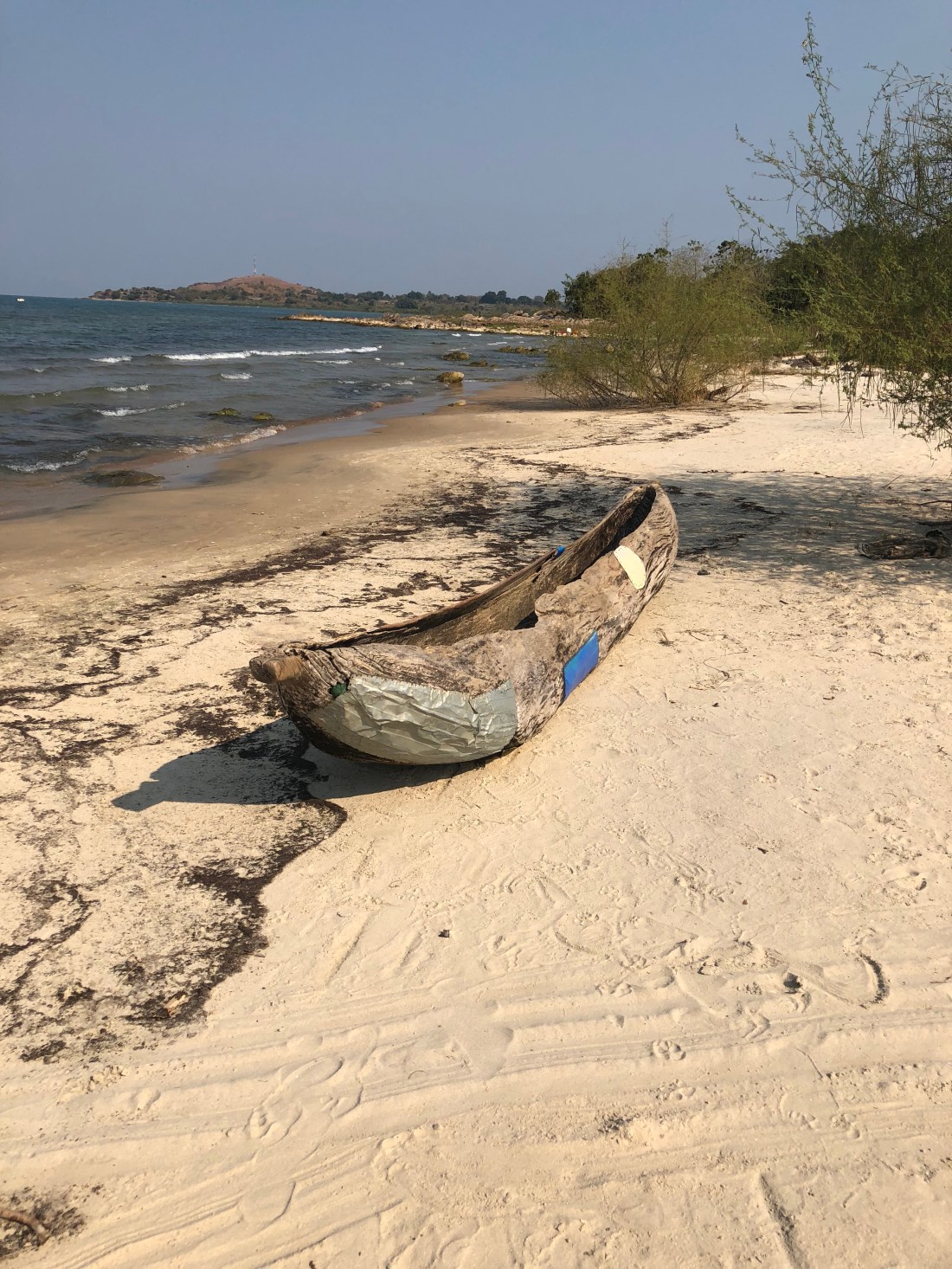
These canoes are dug out from tree trunks and are patched together with whatever is handy. They are functional but not altogether safe and these young men occasionally forfeit their lives in pursuit of their work. But they provide valuable food product to the local economy which gives employment to them and a regular supply of fresh fish to the surrounding communities.

The beach just to the north of me seemed to be the main centre of activity for fishing.

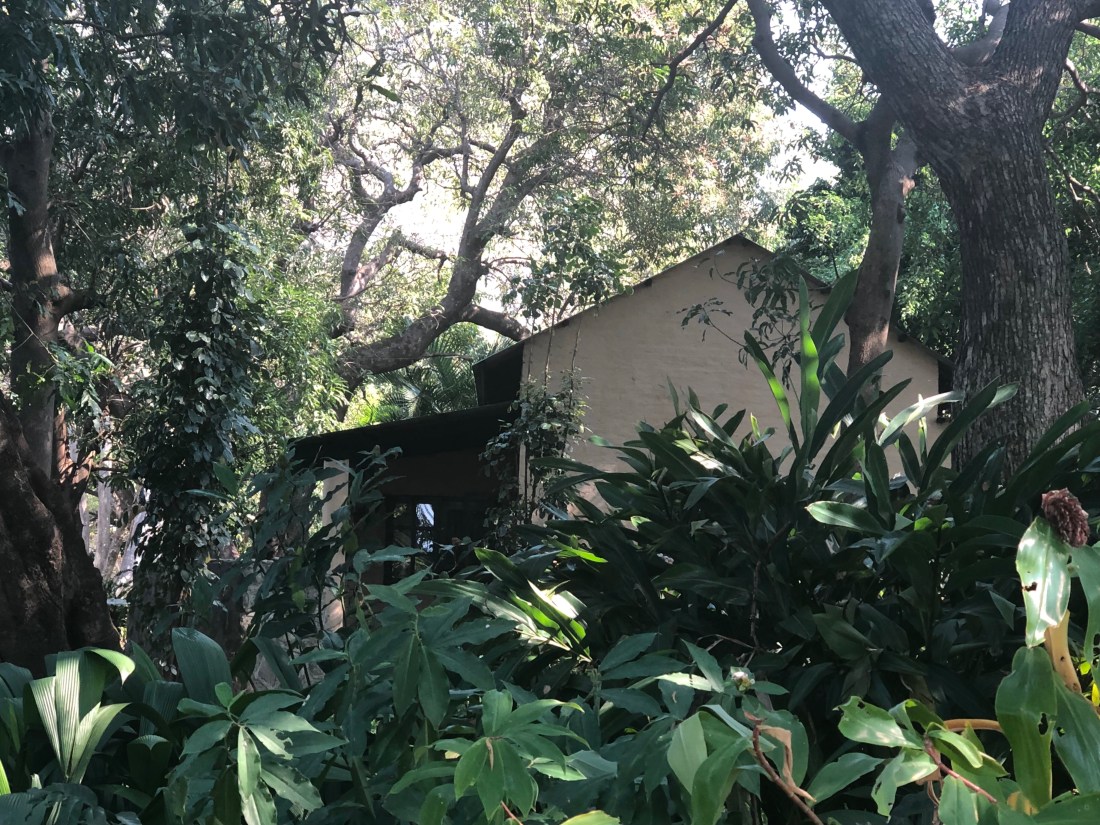
The cottage was sheltered from the hot sun by these magnificent trees which kept it cool and pleasant during the day. Sitting on the porch was the ultimate in doing nothing and the couple of days just slipped slowly by.

I called up to Mariette late in the first afternoon and we enjoyed gin and tonic (just for the quinine of course!) and chatted for a couple of hours. The electricity was off for the evening but, for me at least, that wasn’t any real inconvenience.

She invited me to have dinner with herself and a couple of friends on the second evening and this turned out to be most enjoyable. Her other guests were an Austrian man and his Malawian wife of seventeen years. The discussion and debate ranged A to Z and it was nice to spend time in conversation with someone other than myself for a change. He had fascinating stories about travel and it was especially interesting to listen to him describe his adventures through the Sahara Desert which he has crossed four times in his lifetime – and that was during times when there was no sat nav.

His wife was a delightful woman who offered an African perspective to our discussions about African politics and race issues (and not just between black and white, but also between different African nations).

The evening was crowned with a most delicious crispy based pizza cooked by Ellen who is Mariette’s housekeeper. In the background we were serenaded by the Dubliners, played on a record that Mariette had kept since her student days in the 1960’s.

As ever, she had been the perfect host. Attentive to the needs of a guest, willing to share her time in conversation and yet respectful of a desire for privacy. Perhaps I will return some day….

Tukuyu to Chintheche – Wednesday August 22nd

Having slept for so long I felt much better and packed up without bothering with any breakfast. There was the usual audience and, as is sometimes the case in Africa, locals have a different perspective on space and physical boundaries. This often makes queuing uncomfortable when the guy behind you is right on your back, and if you don’t step close to the person in front of you someone will just step across you.

Such was the case this morning as two or three local guys were all over me as I was trying do unlocking, pack up, set sat nav, check the bike etc. One rather loud and quite affluent looking individual declared to me and to all around that this was the motorbike for him and that he must have one. His manner was a bit intimidating and I noticed that he had a couple of colleagues waiting for him in a 4×4. He asked me which direction I was headed and I told him the opposite way back towards Iringa.

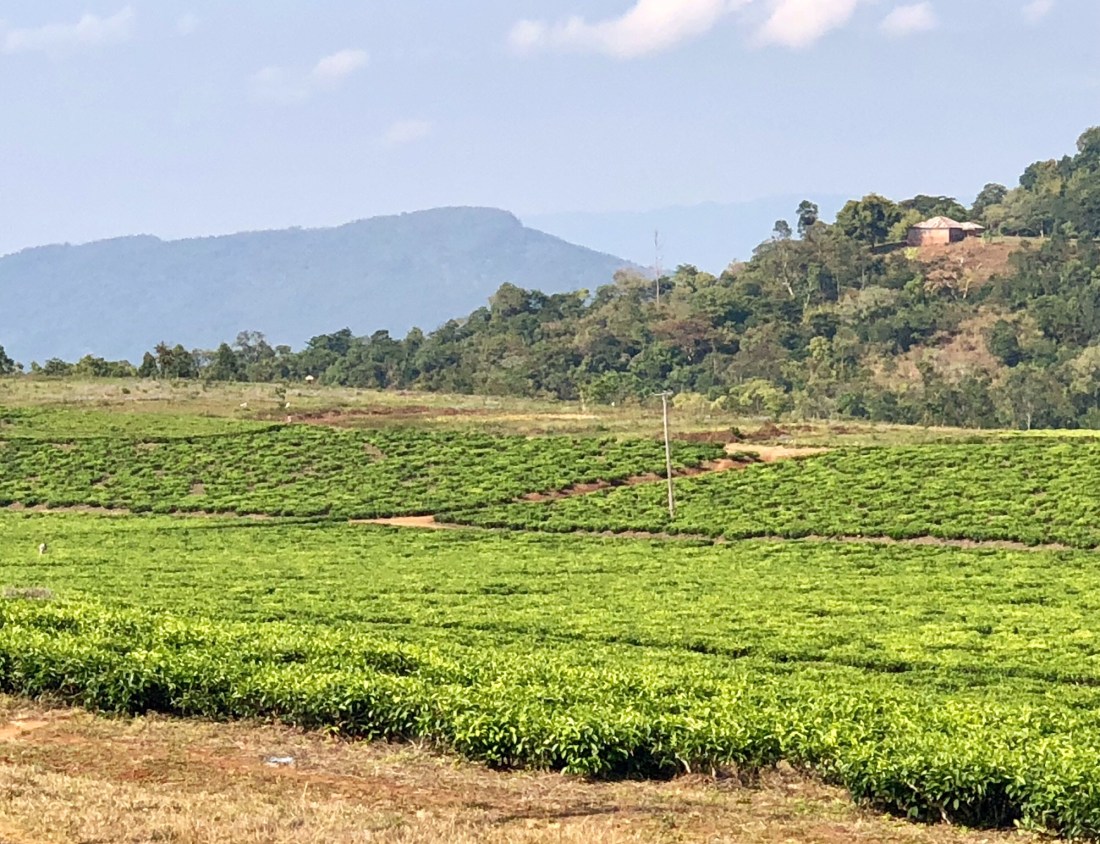
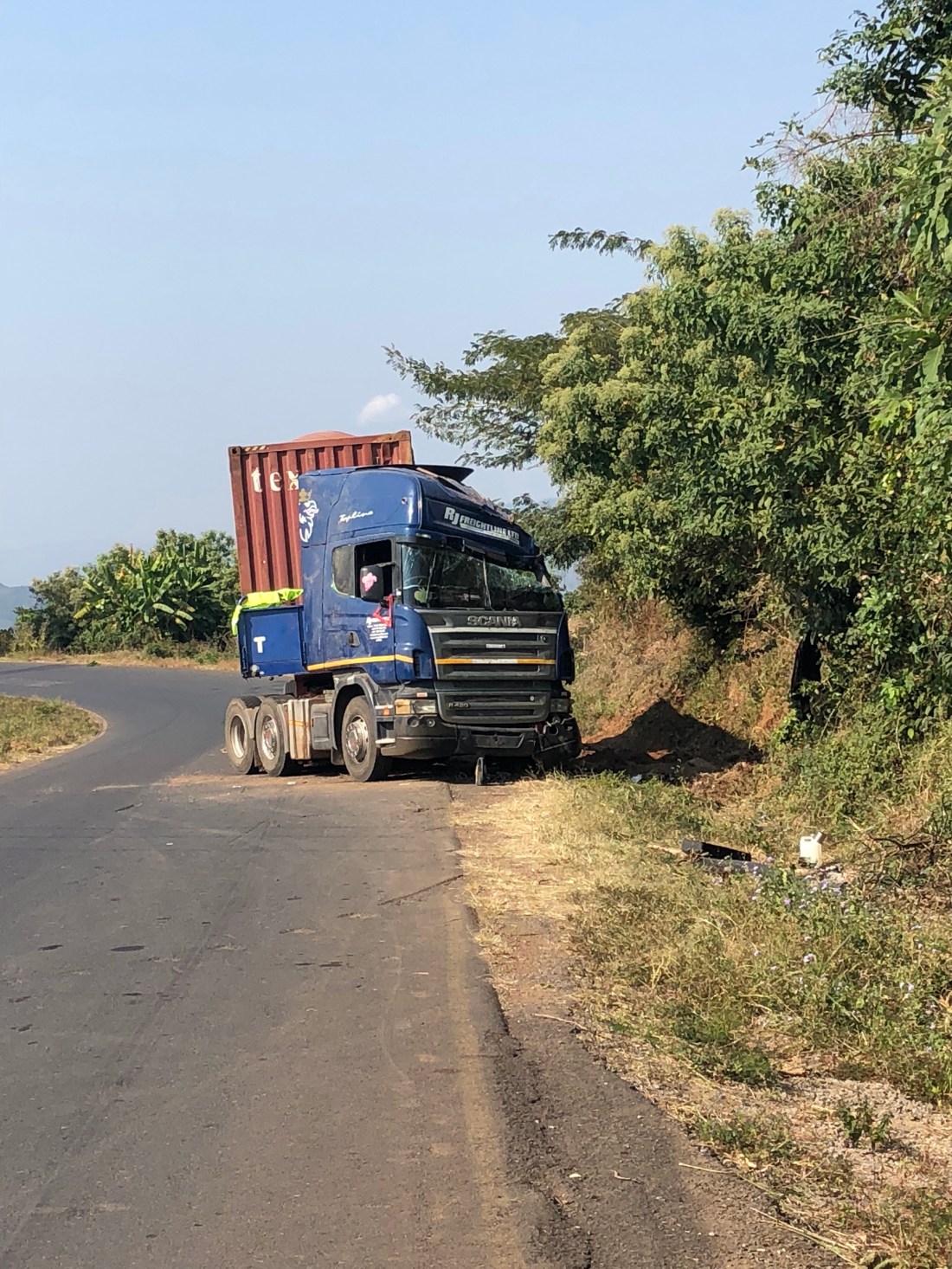
I rode south through tea plantations and past one of the by now mandatory truck wrecks.

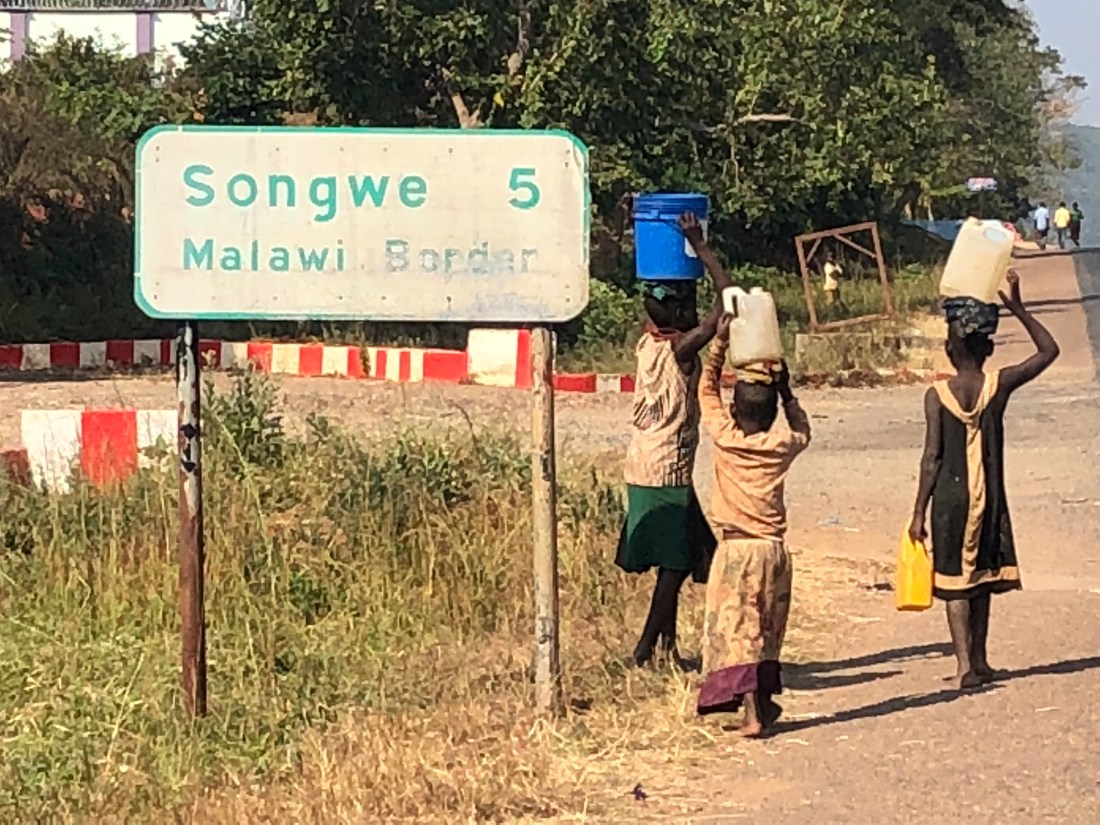
The border was only about forty minutes from Tukuyu and I pulled over at a little village a few kilometres beforehand just to sort out papers that I want to have close to hand.

A couple of guys approached me offering to exchange my Tanzanian Schillings for Malawian Kwacha. After briefly haggling over the exchange rate we made the exchange. It was handy to have this done before actually reaching the border.

The crossing took much longer than I expected, primarily on the Malawi side. The Tanzanian Customs clearance and Immigration was easy enough except for this irritating system of having to fill out a form for everything.

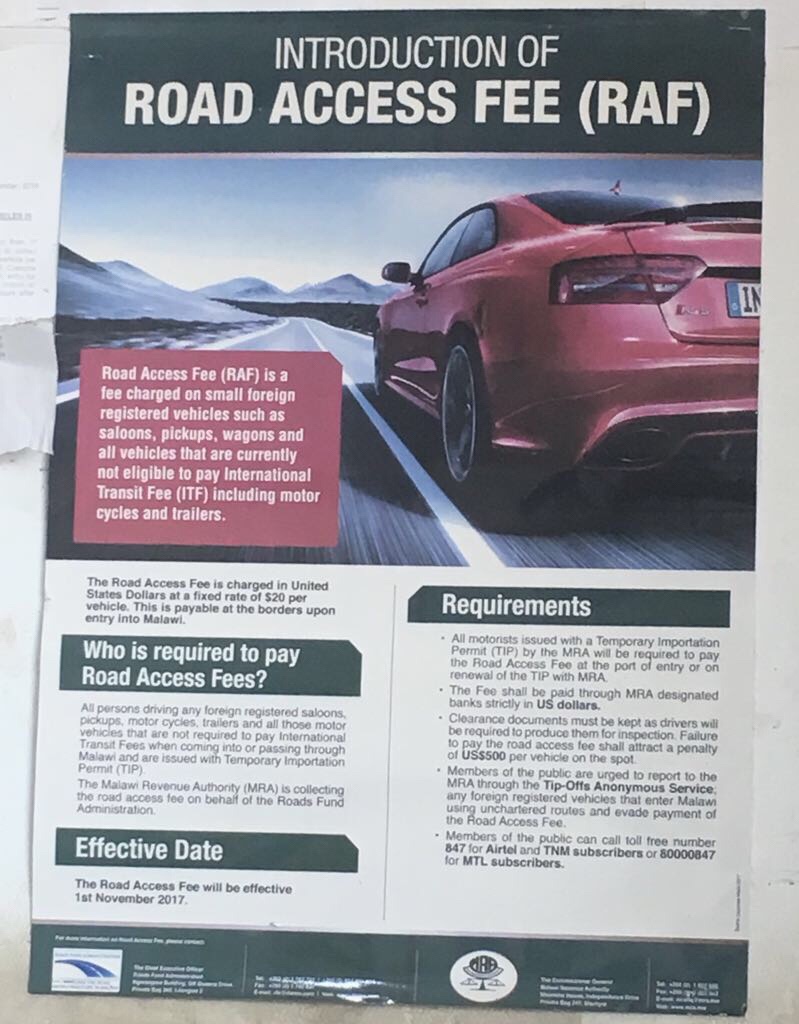
Since my last trip the Malawi Roads Authority have introduced a new road tax for all foreign registered vehicles. The red sports car on the poster gave a brief sense of culture shock as I haven’t seen a car like that since arriving in Africa.

I was told that they had to raise an invoice before I could pay this US$20 road tax. But first they had to examine both my Carnet and RF101. But even before that, I had to fill out a form requesting an invoice. I did so and was asked to take a seat. Half an hour later I was called and told that I would need assistance from an official named Jim. Jim presented himself and told me that, now that I had filled in the request form, he would arrange to have the invoice raised. I was told to once again take a seat while they prepared it.

During all this time an enthusiastic Malawi insurance agent waited along side me expecting my business. He wanted to process my paperwork for an insurance disc but I told him that I would not discuss it until I had the road tax sorted out. He sat right up against me the whole time.

Jim called me after a while and he was now bearing my Carnet along with this essential invoice. I handed him the US$20 but he told me that we had to go to the cashier in another office to pay it. He came with me and we waited for about fifteen minutes while he chatted with the cashier. Payment now made, I held out my hand for the road tax certificate. “Not yet my friend”. He brought me back to another public counter and started signing and stamping other people’s documents.

He glanced up at me now and again and the penny dropped that he was totally pulling my chain. I then slipped US$5 across the counter, he smiled, stamped and signed my certificate and handed it to me. Why did I not just do that in the first place.

I then had to buy a visa from Malawi Immigration, sort out the insurance and try to move on out of there. Done and dusted after more than two hours, I was now into Malawi.

Shortly after crossing the border I bumped into a Belgian couple who are riding from Capetown to Brussels. We chatted about difficulties ahead for them in getting through northern Kenya, southern Ethiopia, Egypt and how to cross the Mediterranean. They were quite relaxed about it but rather them than me.

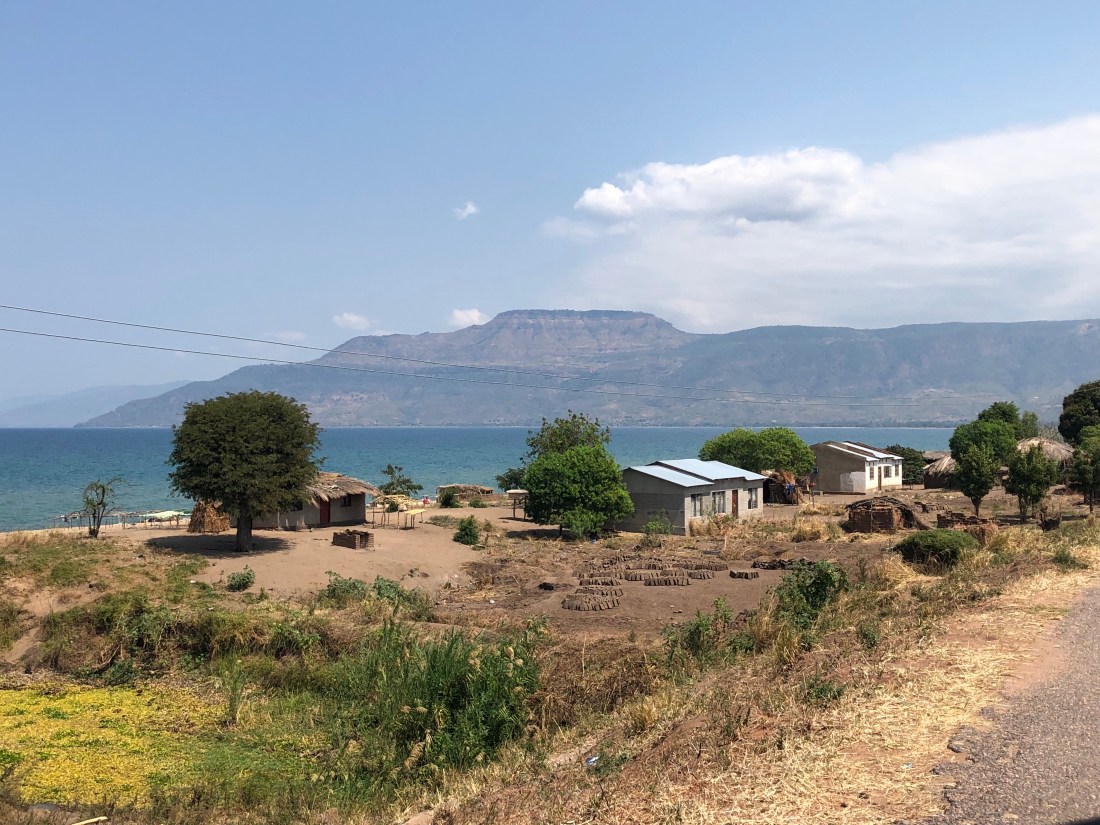
The road for about the first hundred kilometres was dreadful but then improved for a while. I was pleased to get my first glimpse of Lake Malawi and it looked beautiful.

The road south then climbs away from the lake zigzagging high up through the mountains. Potholes pockmarked the road and the pace was slow….

… but not slow enough for this guy.

Another couple of hours brought me to the northern city of Mzuzu. This was not far from where I stayed with a family/community on my last trip. I made contact with them and was apologetic that I wouldn’t have time to visit this time around.

Although I still had another ninety kilometres to go to Chintheche I decided to fill up with petrol. There might not be another garage for some distance. The woman who worked at the filling station asked about the stickers of Kaylee I have on the tank, enquiring if she was my daughter. I told her that was in fact my granddaughter and that has been keeping me company along my journey. She smiled and asked me to to tell Kaylee that a woman in Mzuzu said hello. There was nothing fake about her sentiment and it reminded me of how nice most Malawian people are.

The day had dragged on and the sun was getting low in the sky. I pushed on to make Chintheche before dark as the last couple of kilometres is a rough track and I wanted to negotiate it in daylight.

The owner of the bungalow by the lake where I would be staying for the next few days had previously emailed that she would not be there when I arrived. Mariette is a retired Dutch woman who has lived in the area for many years and indeed, on and off in Africa through most of her life.

I must admit that I was fairly whacked by the time I arrived but I was really pleased to be back at this very special, remote and peaceful place. It was dusk as I stepped into my little cottage and it was exactly as I remembered it.

I was joined by one of Mariette’s dogs to watch the moon over the lake. The elderly local lady who dropped in some groceries to the cottage said something rather different, but touching, to me. She said that she was proud of me, that I had promised that I would one day return and now I had….