
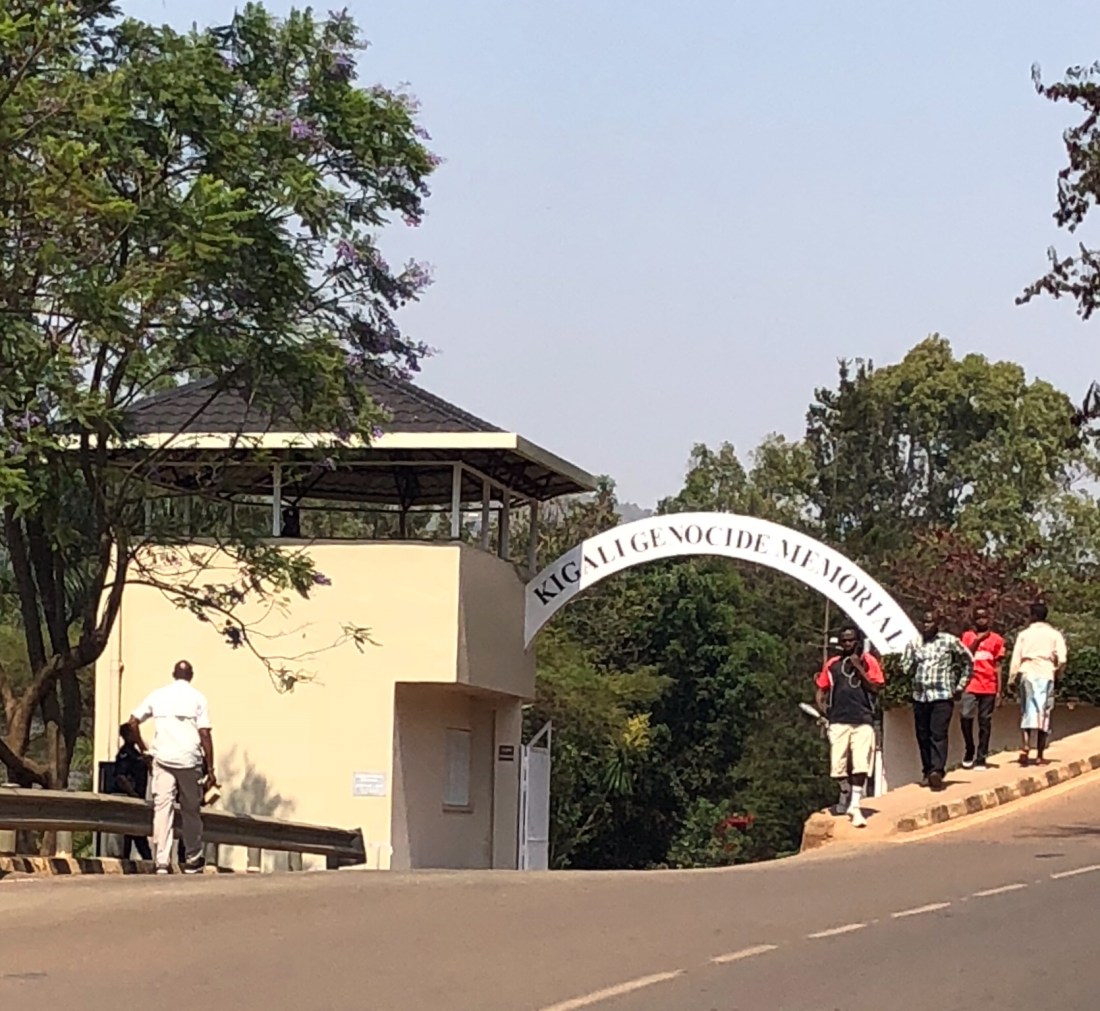
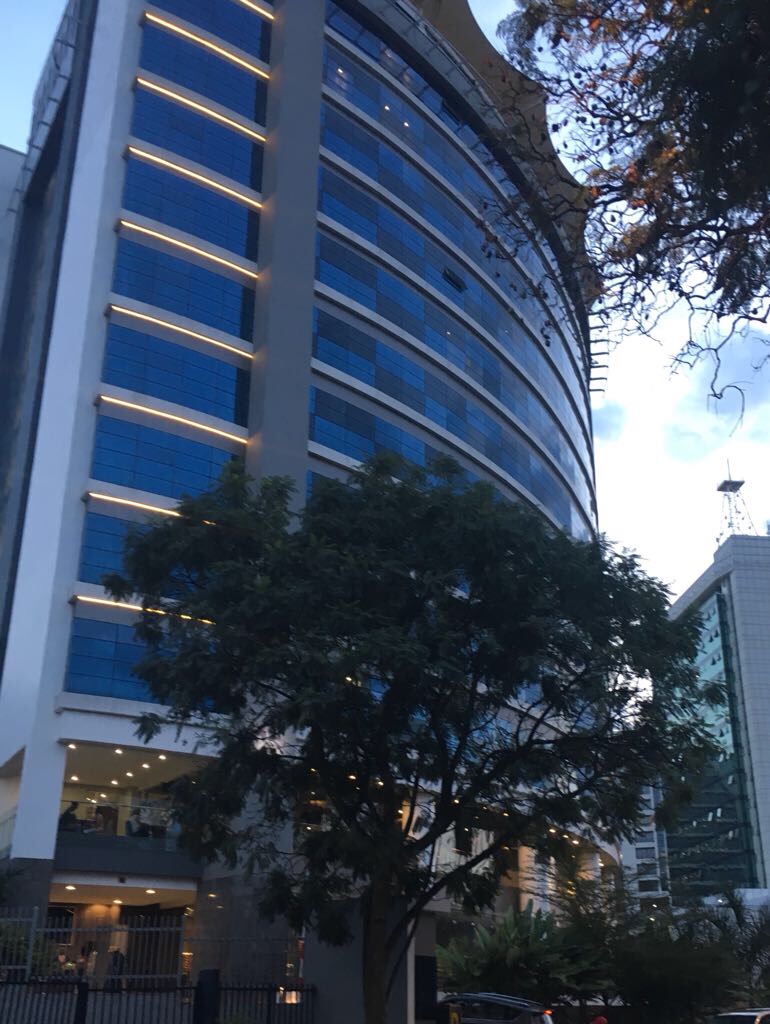
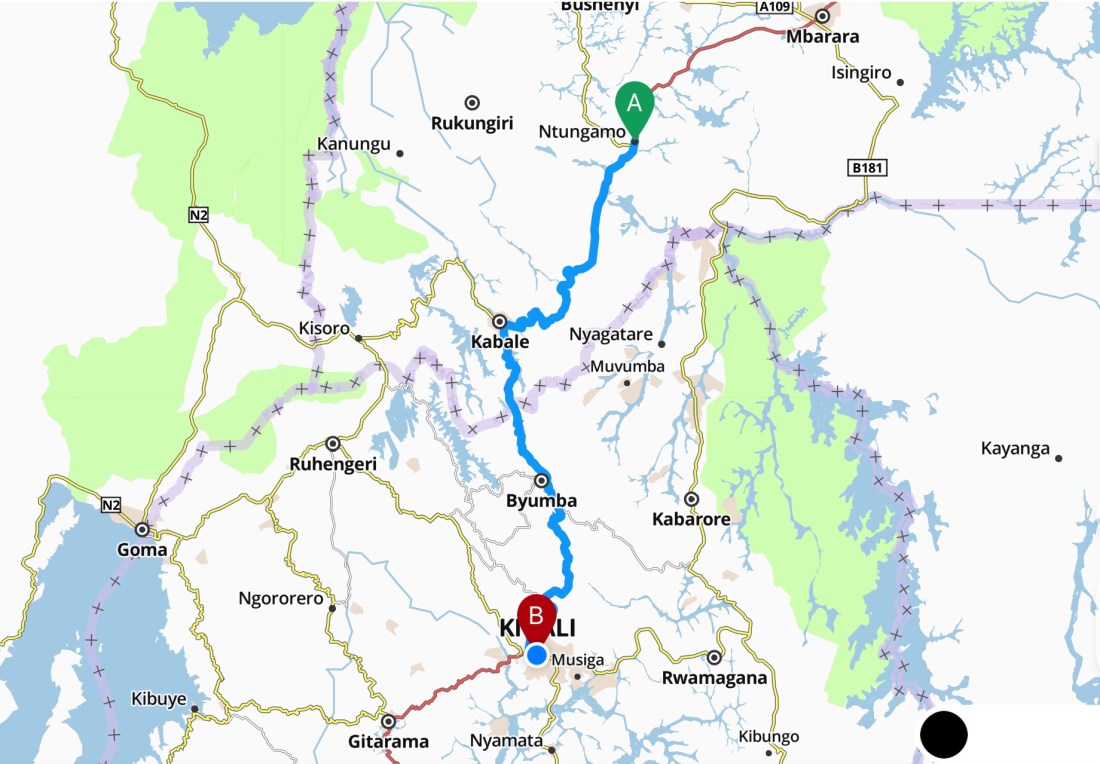
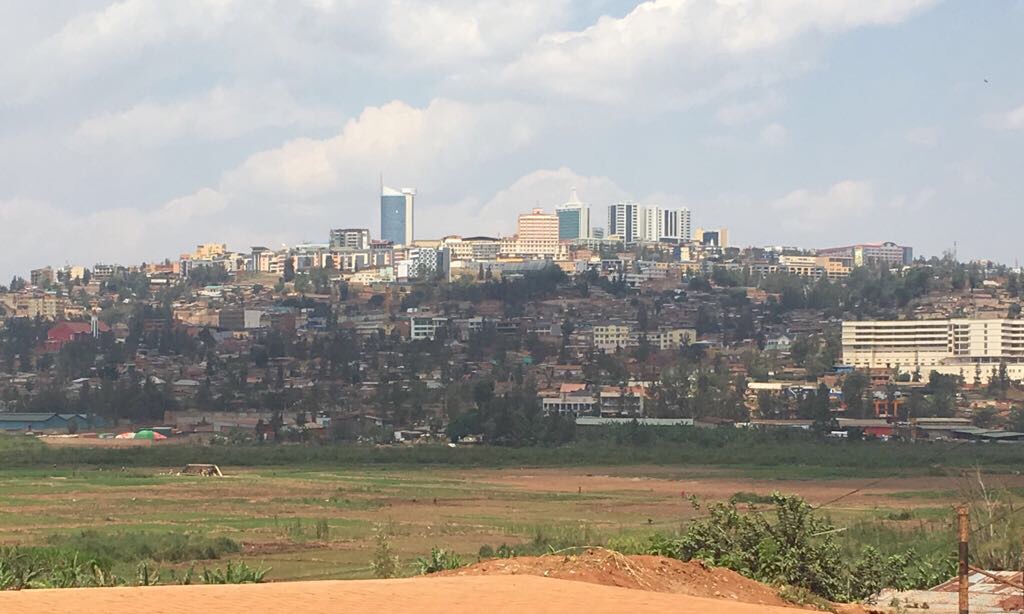
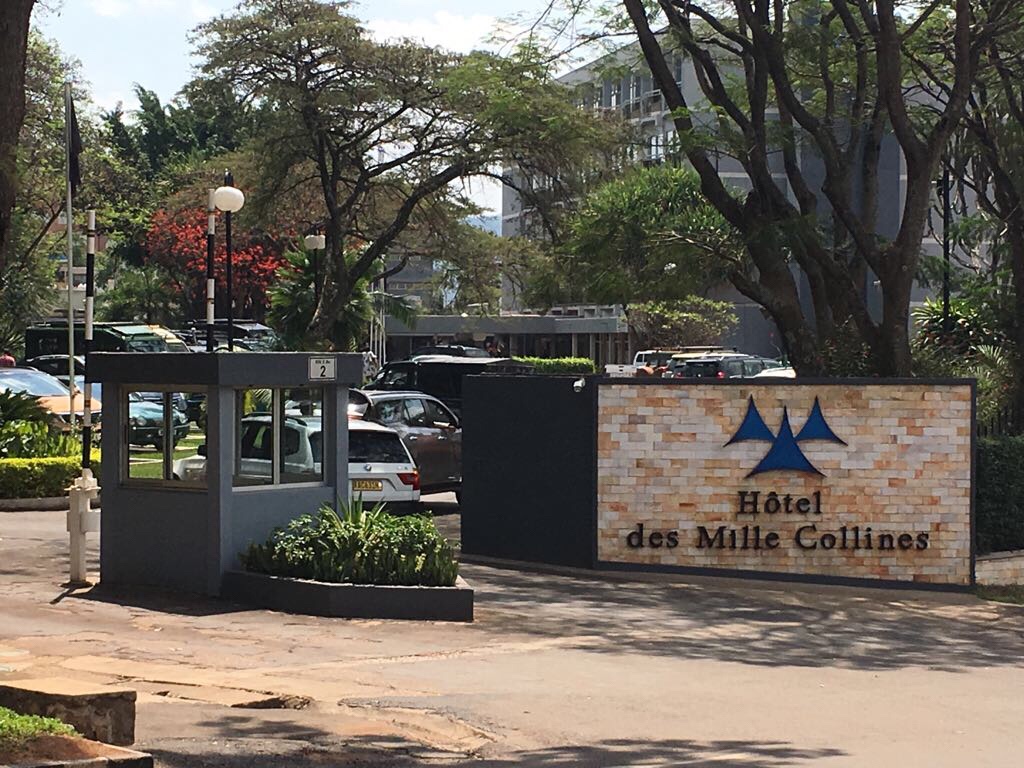
The Genocide Memorial was not too far from the hotel so I decided to walk the couple of miles. Mind you walking anywhere in Kigali is tiring, as every single street is on a hill.
Security was as tight on entering the complex as it is everywhere in this part of Africa. It was explained to me by one of the guards that they are constantly worried about al-Shabab who are an islamic fundamentalist terrorism group and who would be happy to destabilise the region.
An atmosphere of reverence pervades once passed the security checks and visitors spoke in hushed tones. It was not dissimilar to the way you would feel in Auschwitz, Dachau or any other former Nazi concentration camp memorial.
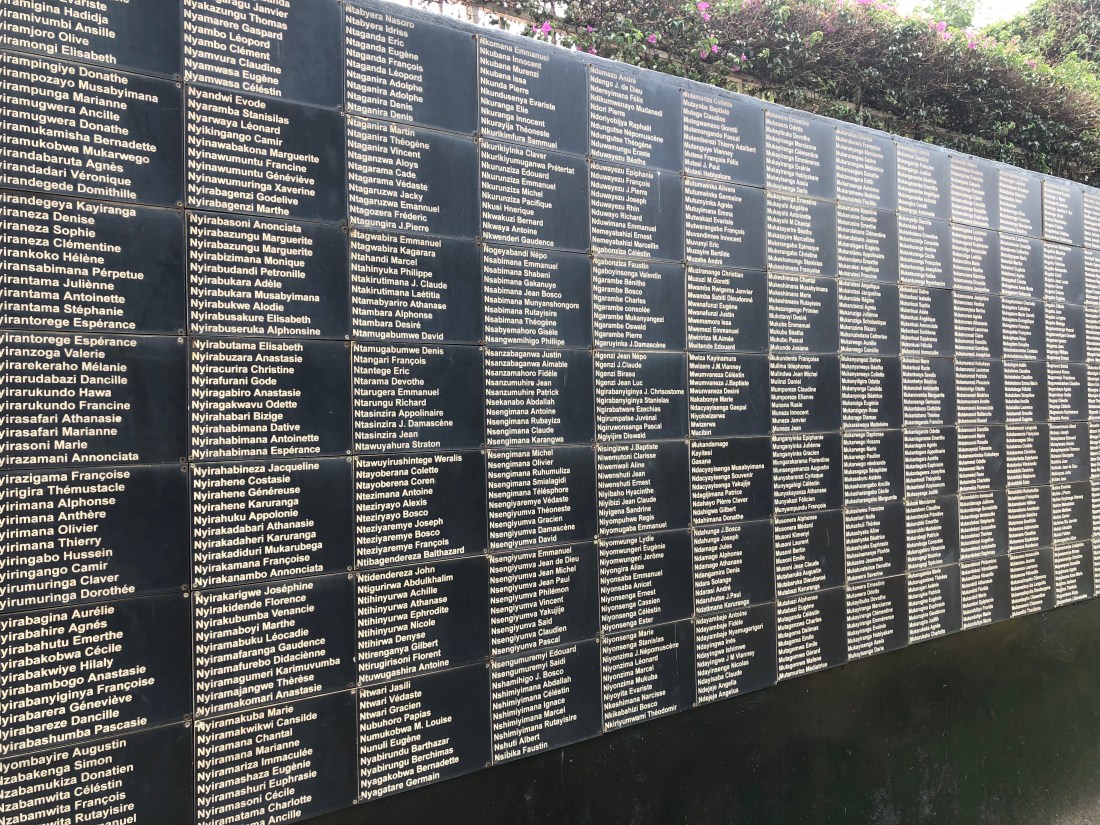
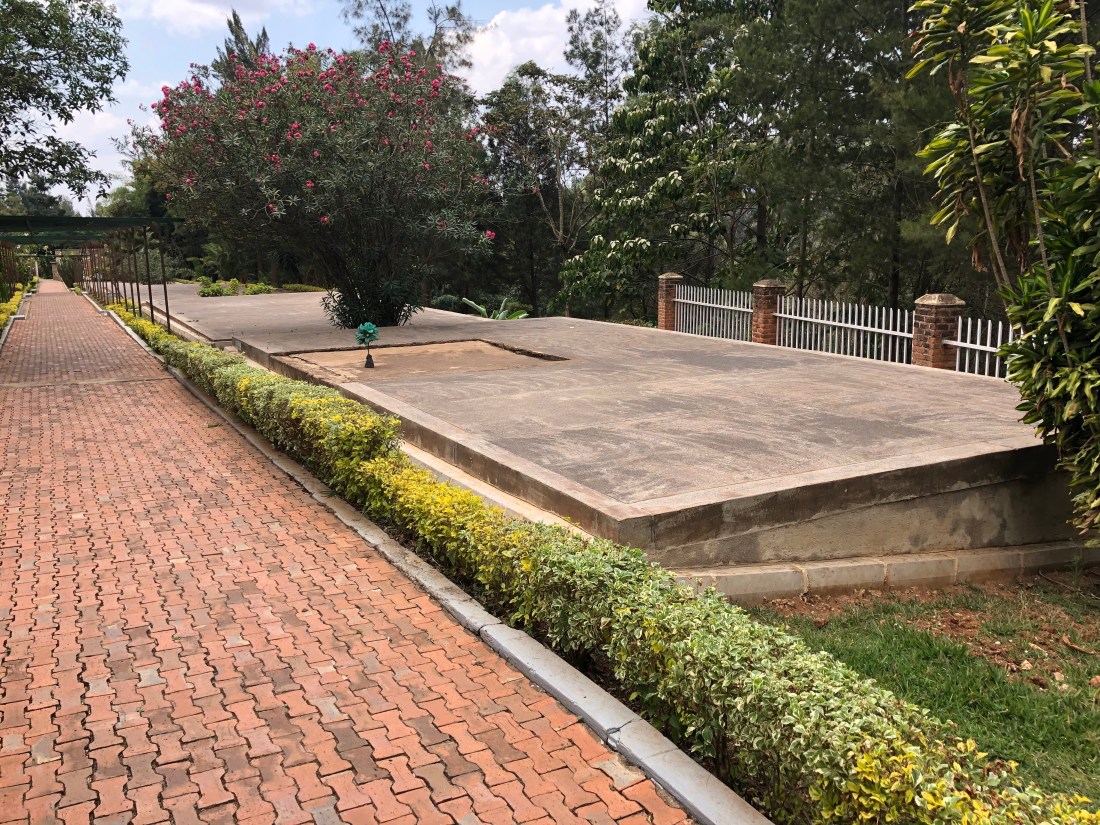
Historically the root of this appalling tragedy goes back to the Belgian and French occupiers of this beautiful land. They sowed seeds of tribal division many years ago and this ultimately boiled over into one of the most intense mass slaughters of civilians in world history – over one million people butchered in one hundred days. That’s an unthinkable average of ten thousand men, women, children and infants for every single day during that period. On this site alone over quarter of a million people were murdered.
I went into the building which houses an exhibition of haunting reminders of the Genocide along with excellent video presentations. The first person I met was a middle aged woman, probably local, who was visibly very upset. Any survivors over the age of thirty would remember that time in Spring 1994.
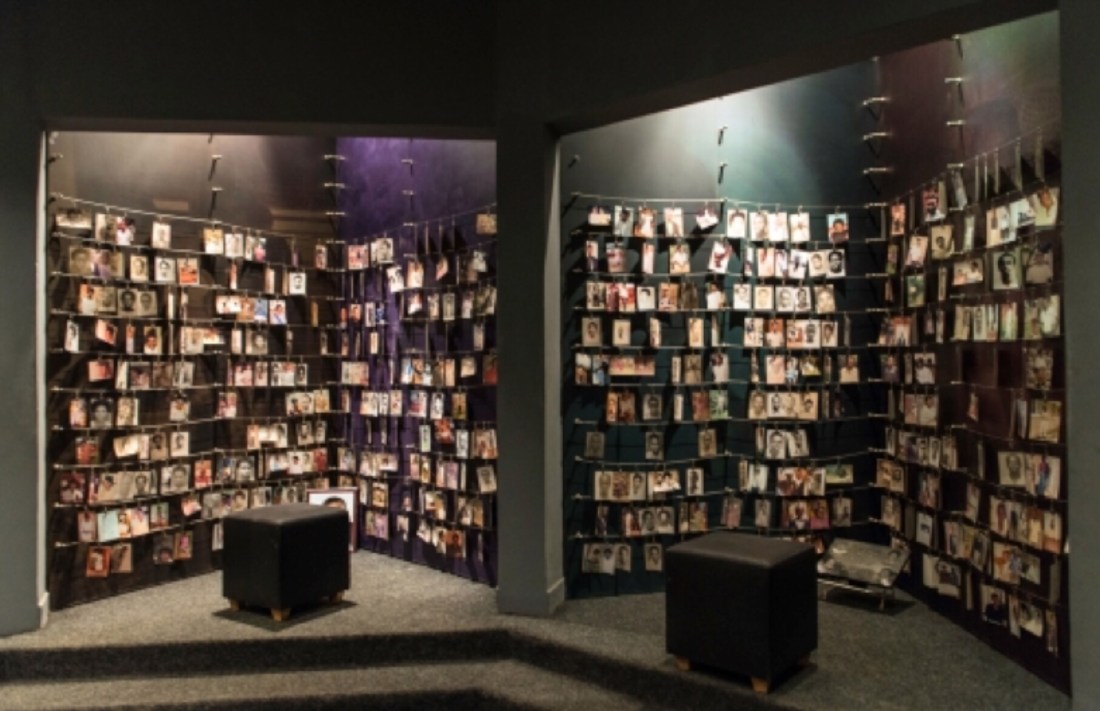
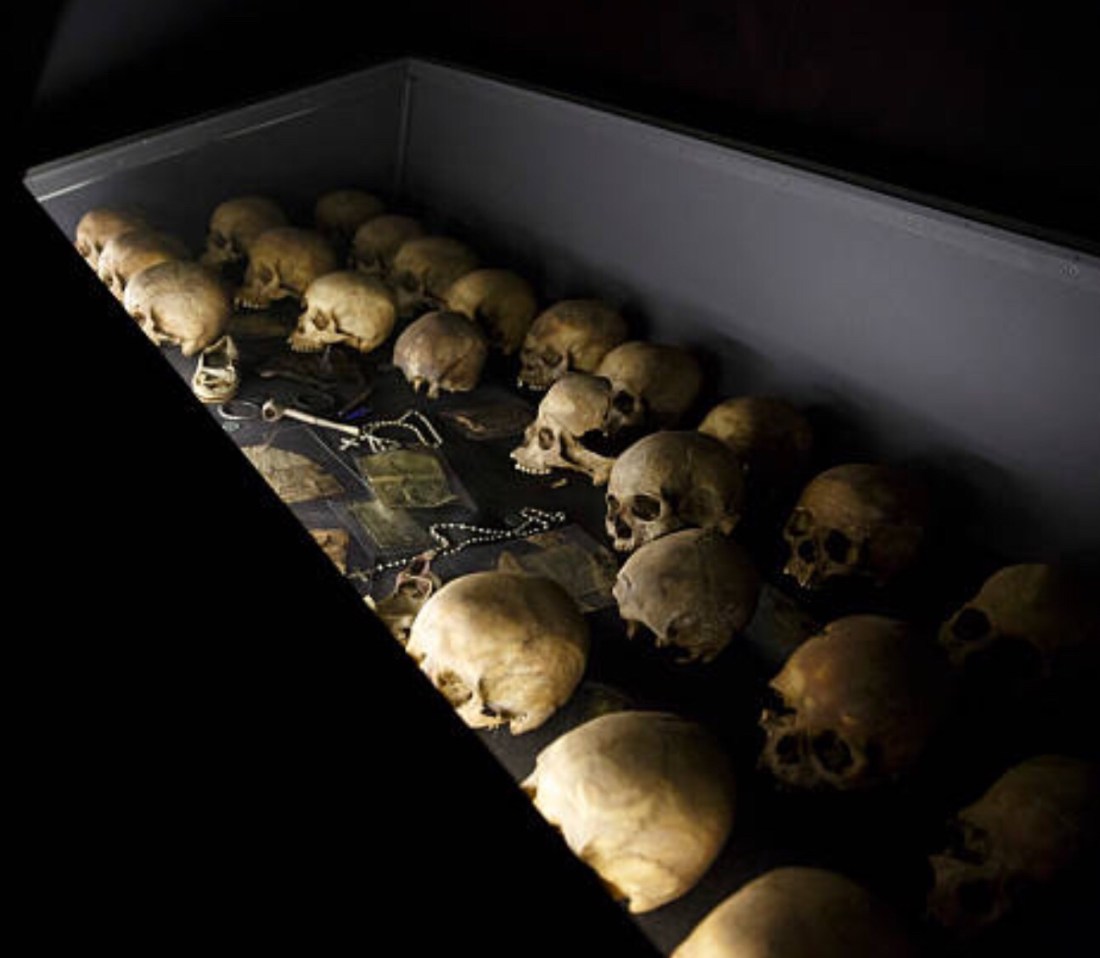
There are representative photos and remains of the victims and they are portrayed very vividly yet without having the intensity of Aushwitz where the quantity of memorabilia is much greater.
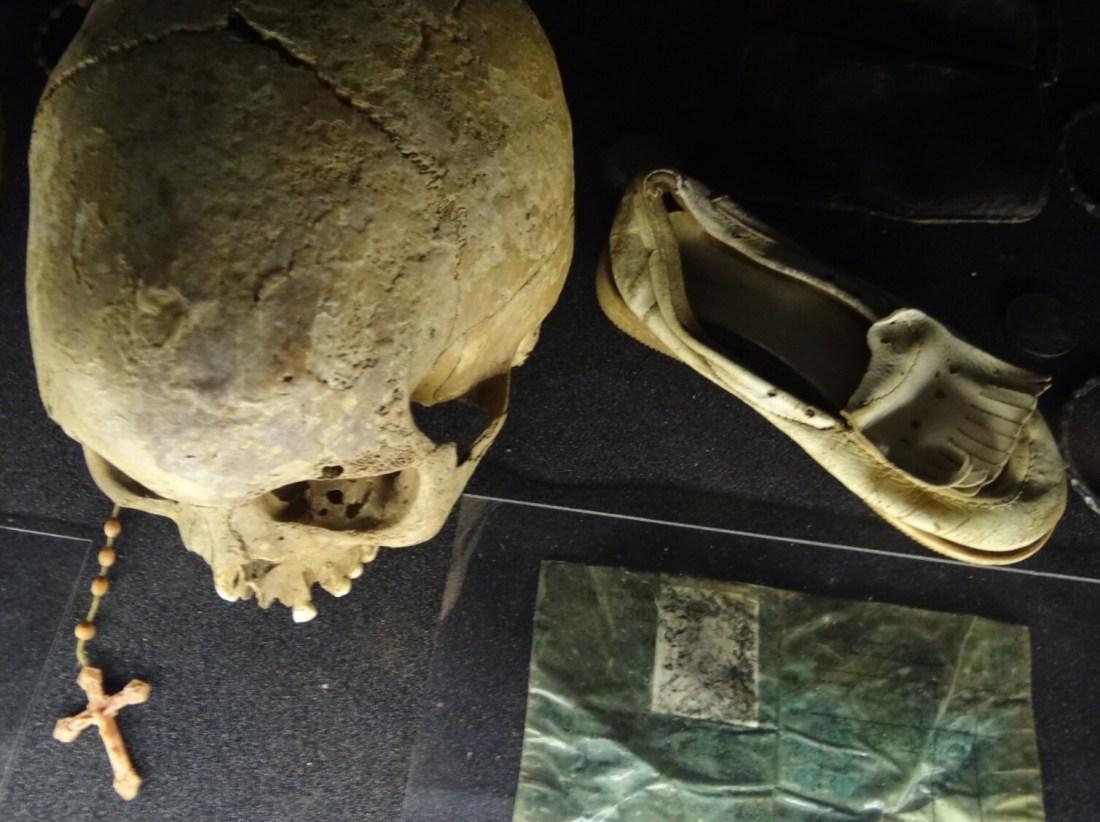
It is nonetheless stark and upsetting and when you look at the damaged skulls in particular you think about how awful a death these people suffered.
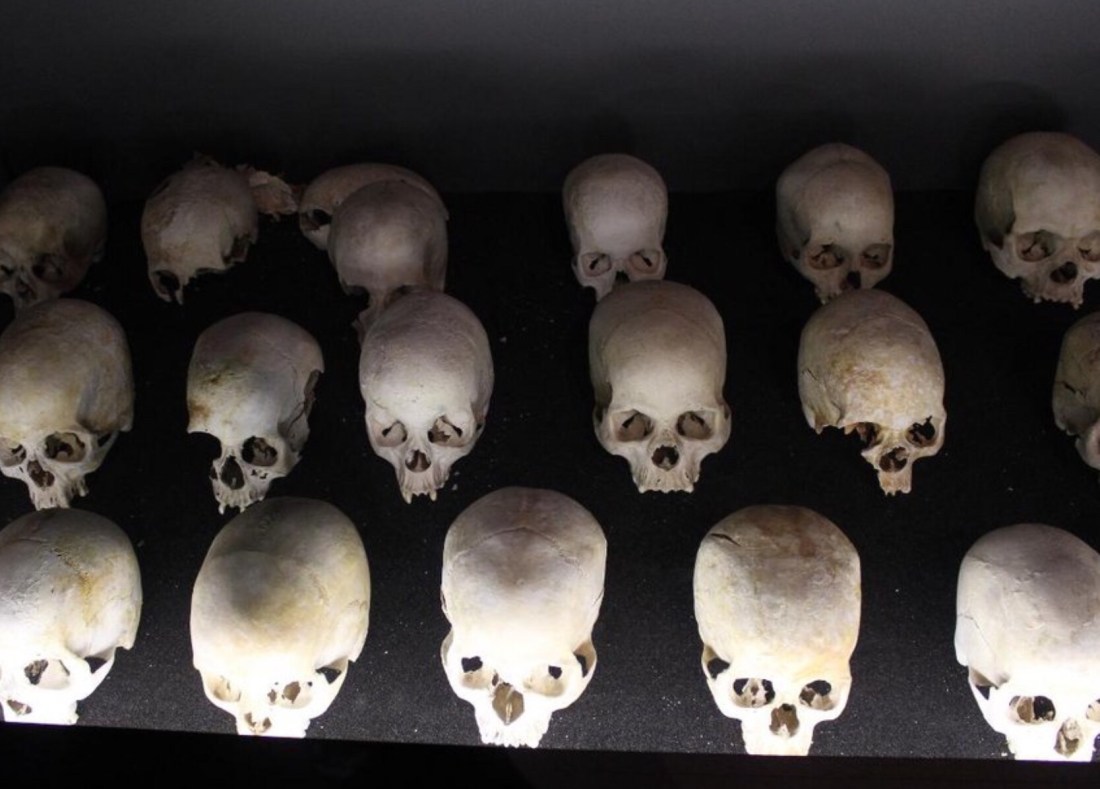
Many were murdered in the the most brutal fashion and, without being too graphical, a method which sticks in my mind was where victims were thrown into open latrines, ten person deep, and left to drown in these open sewage pits.
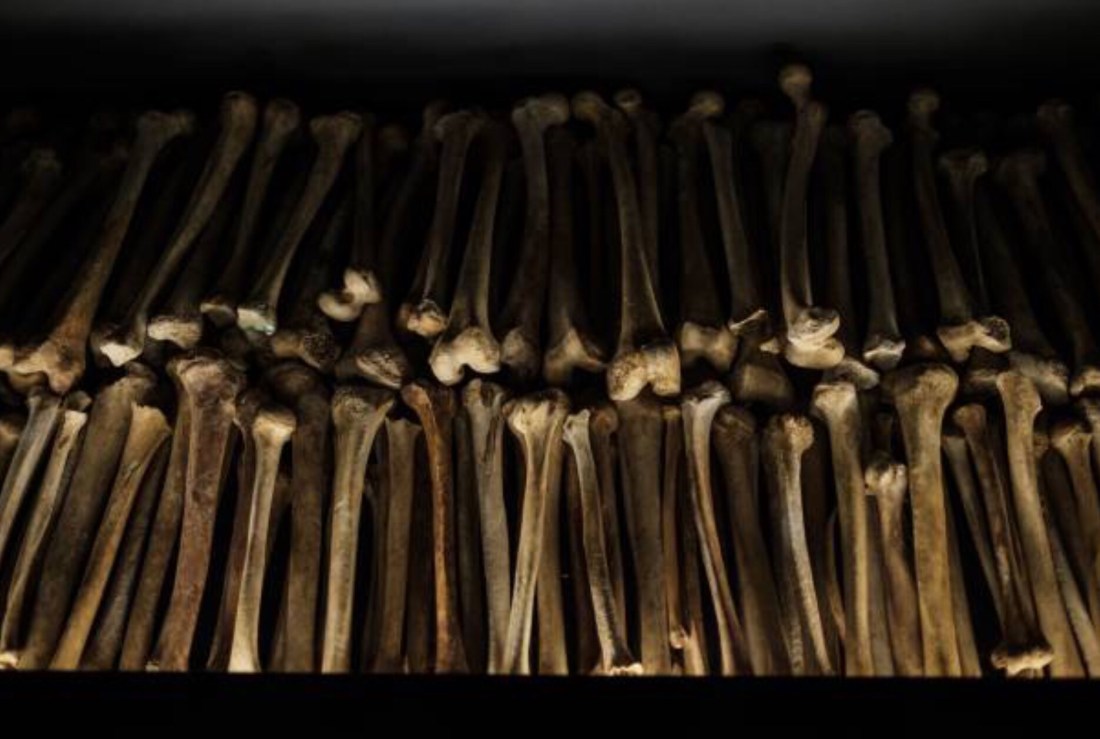
“Man’s inhumanity to man” at it’s most depraved.
Yet while all this was happening it was being observed by military satellites and reported by some very brave journalists who risked their own lives in order to let the world know what was happening. However while their western editors printed it as mere civil and tribal conflict, the U.N. were fully aware of what was happening. Their chief military officer begged for just five thousand troops and, with them, he would have been able to stop it immediately. Back in U.N. Headquarters they argued amongst themselves about who should pay for such an operation.
In the end it was the (then exiled) leader of the Tutsi rebel force, Paul Kagame, who led his large but badly equipped army of men into the country and thankfully they prevailed, bringing this massacre to an end one hundred days later.

Even within a site of such ugliness beauty finds it’s way to the surface.
I spent a few hours here before taking a slow walk back to the hotel…









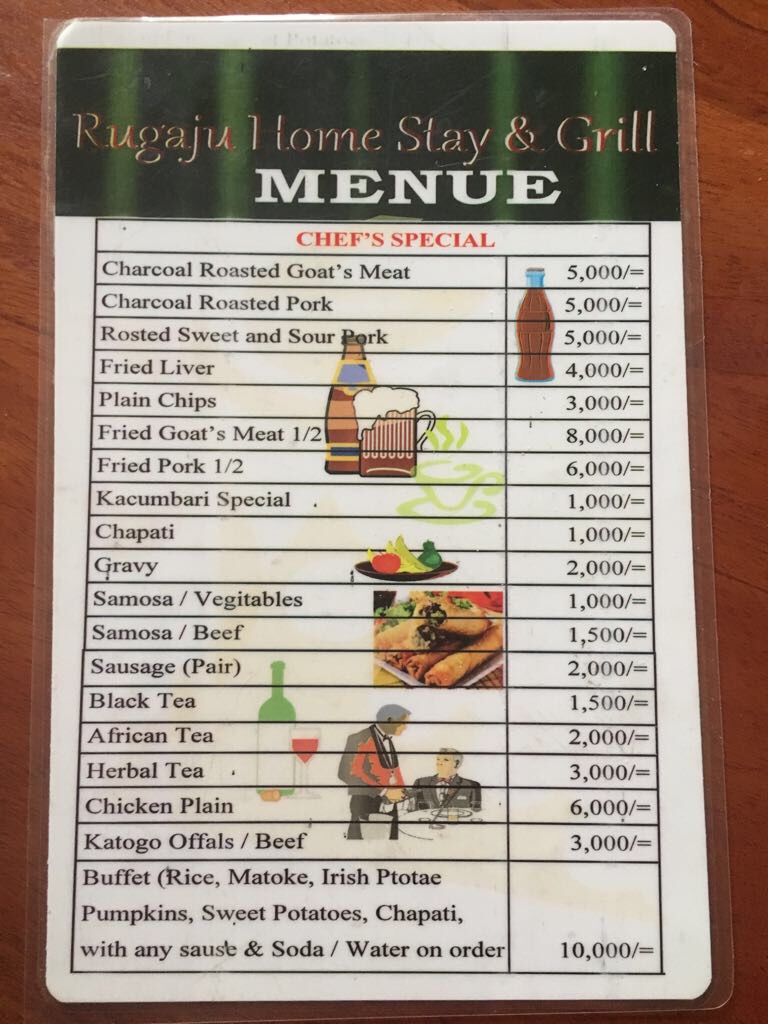



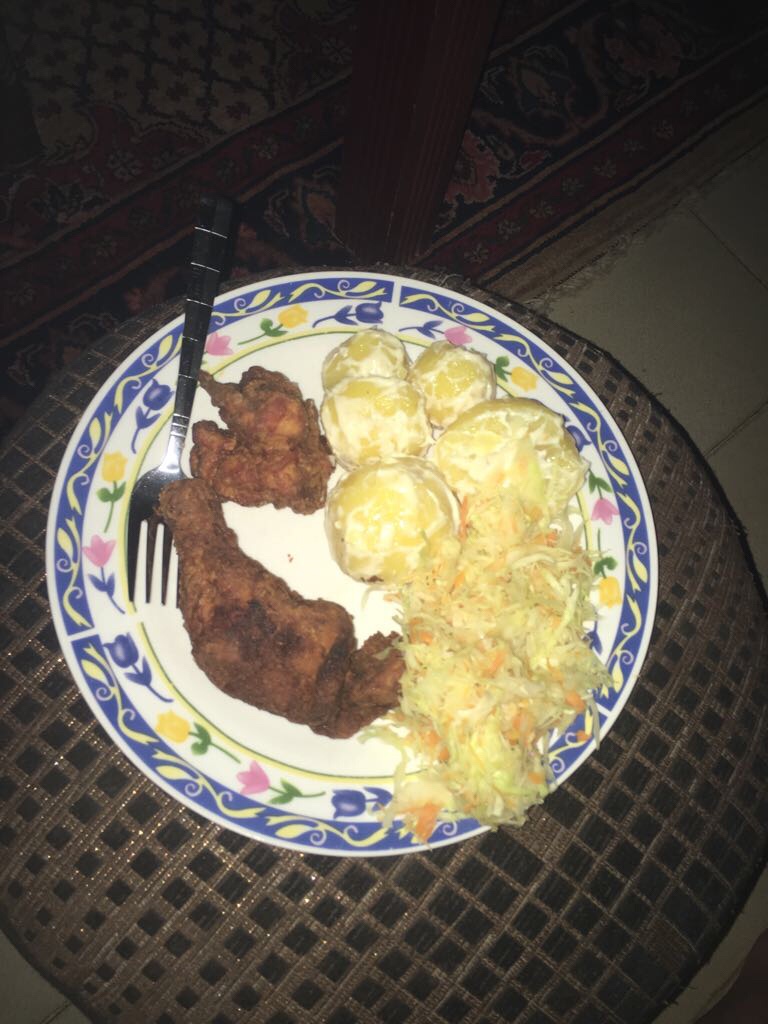

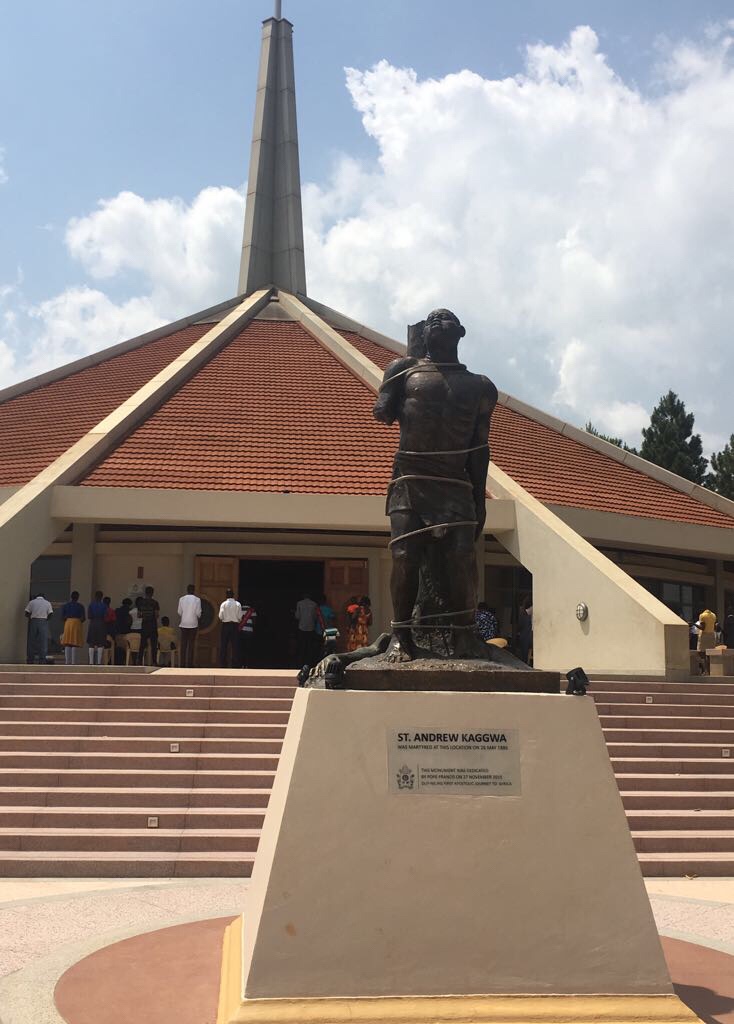
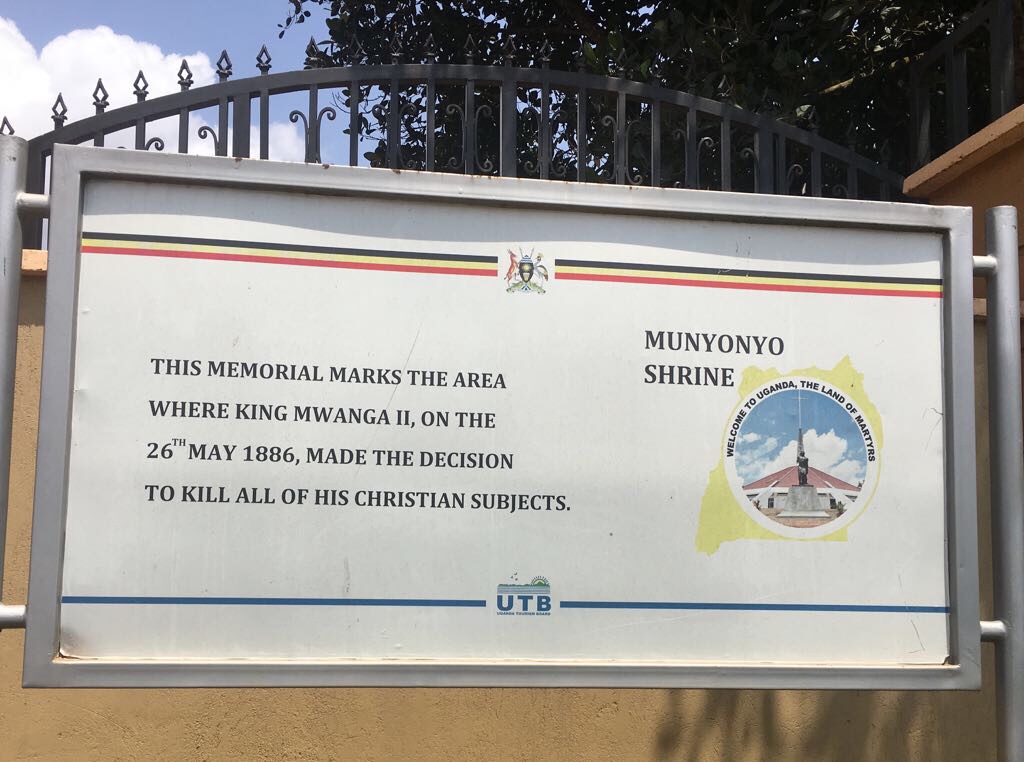
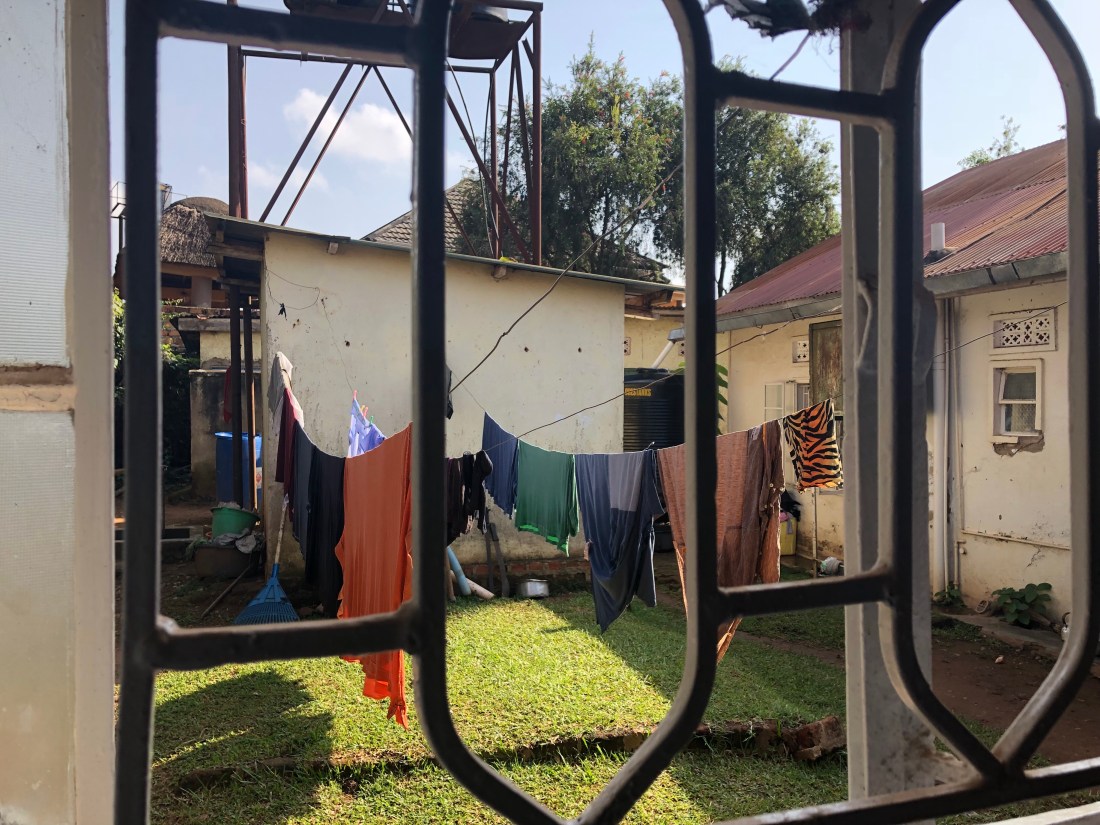
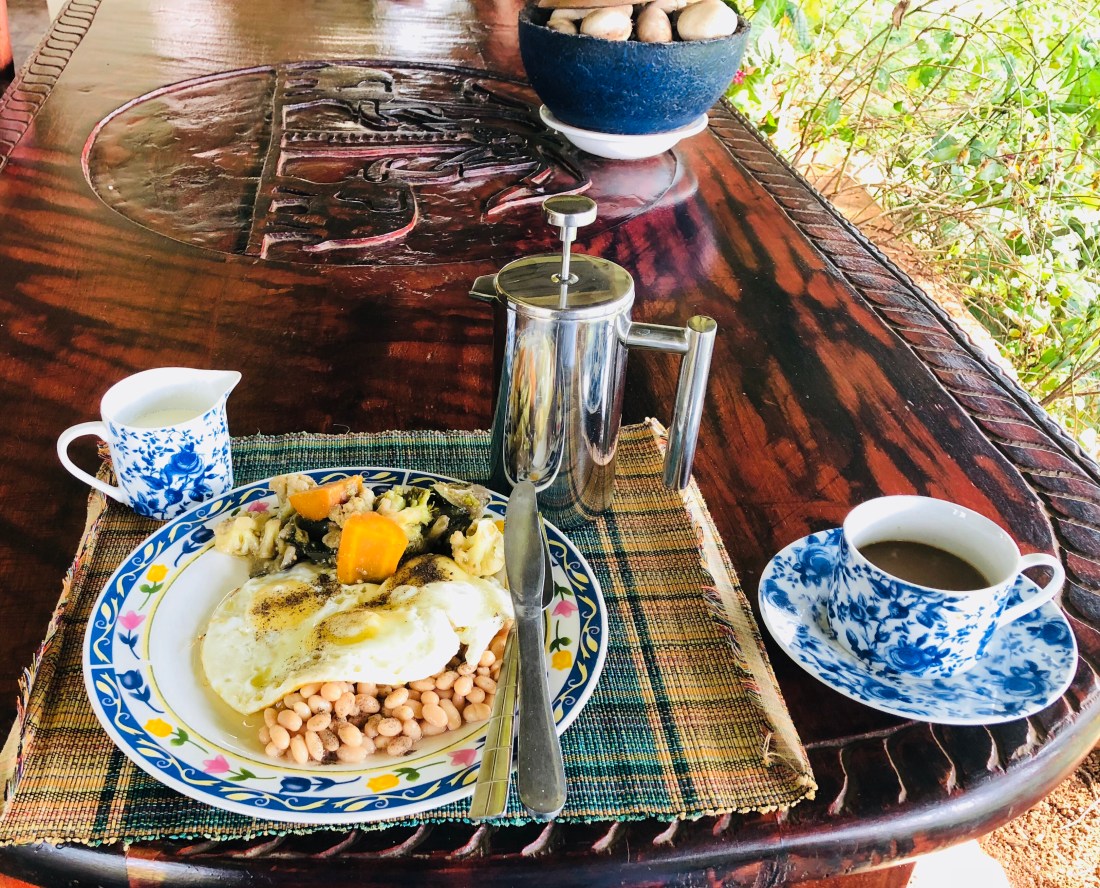
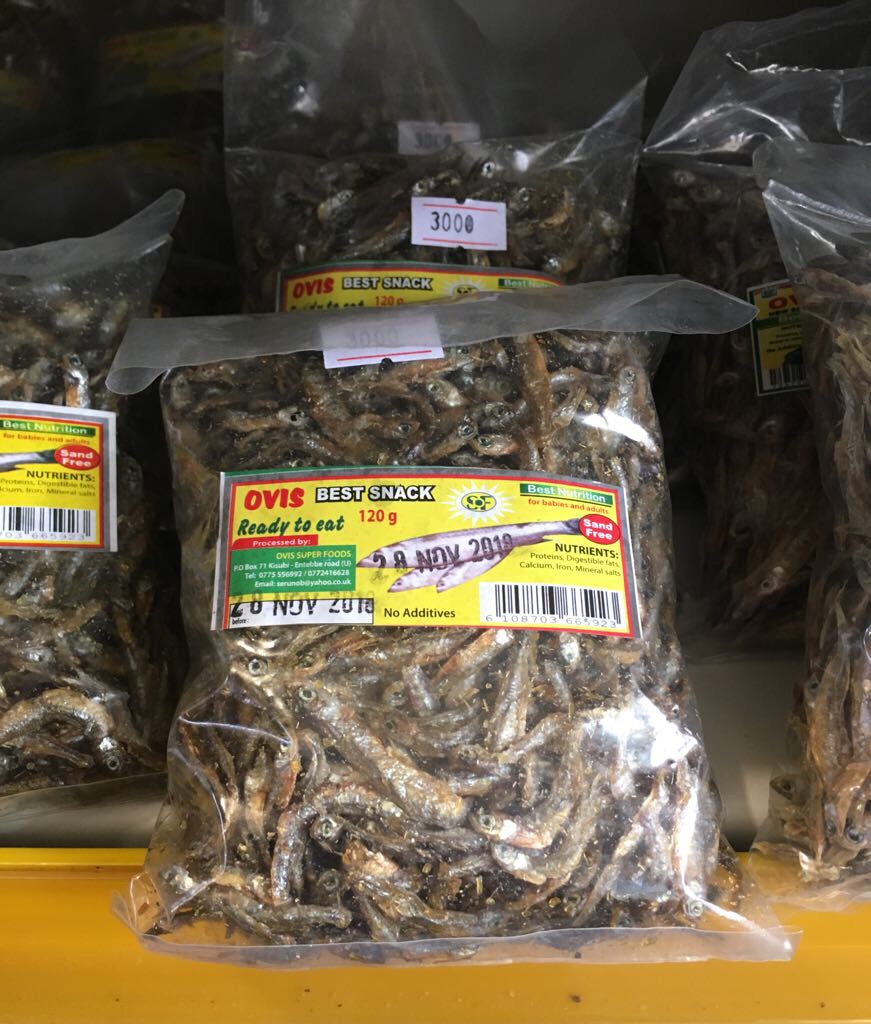
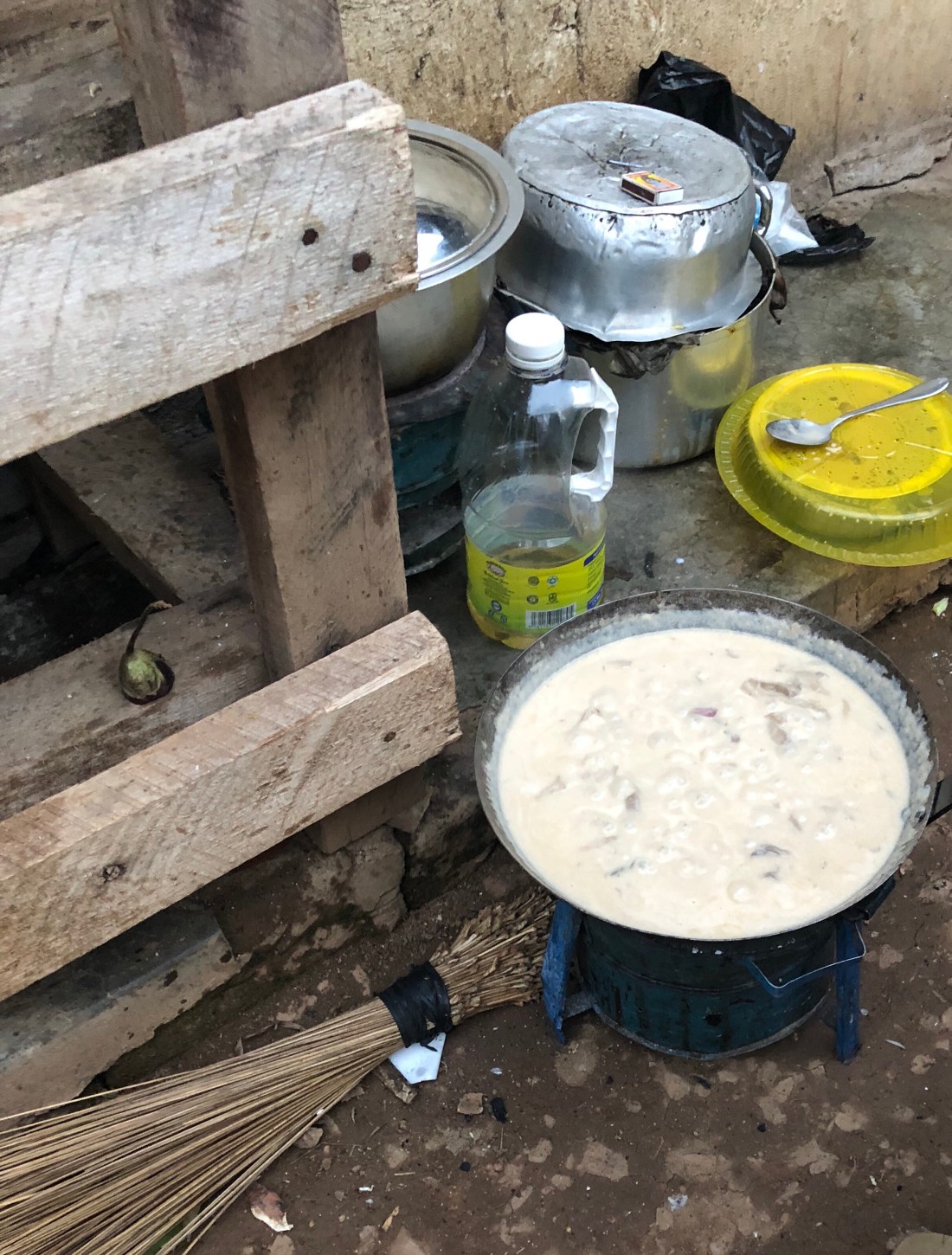

 ….. but I was starving and would have eaten a bowl of raw carrots.


 ZIGZAGGING AFRICA BY MOTORBIKE
You must be logged in to post a comment.